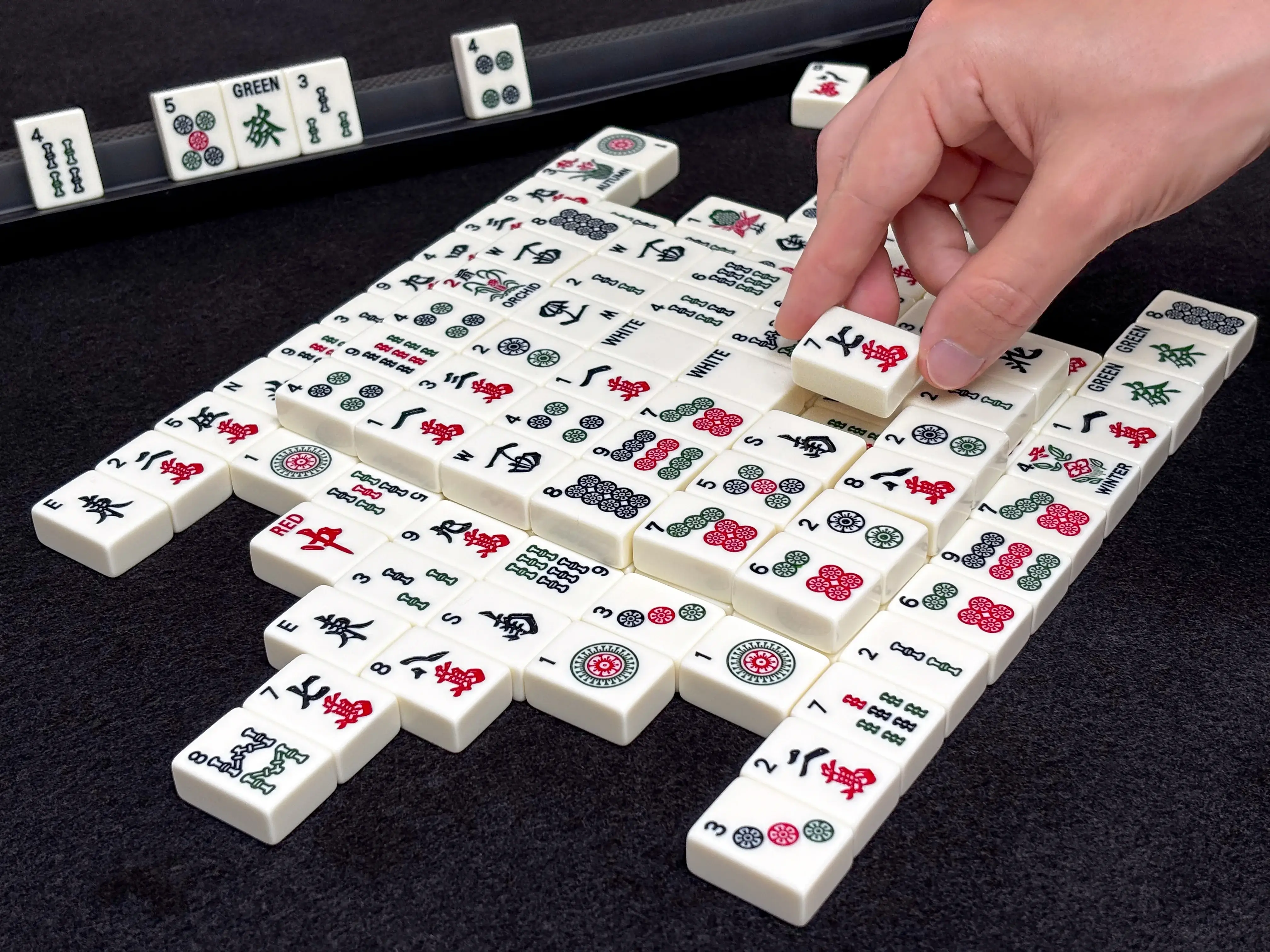
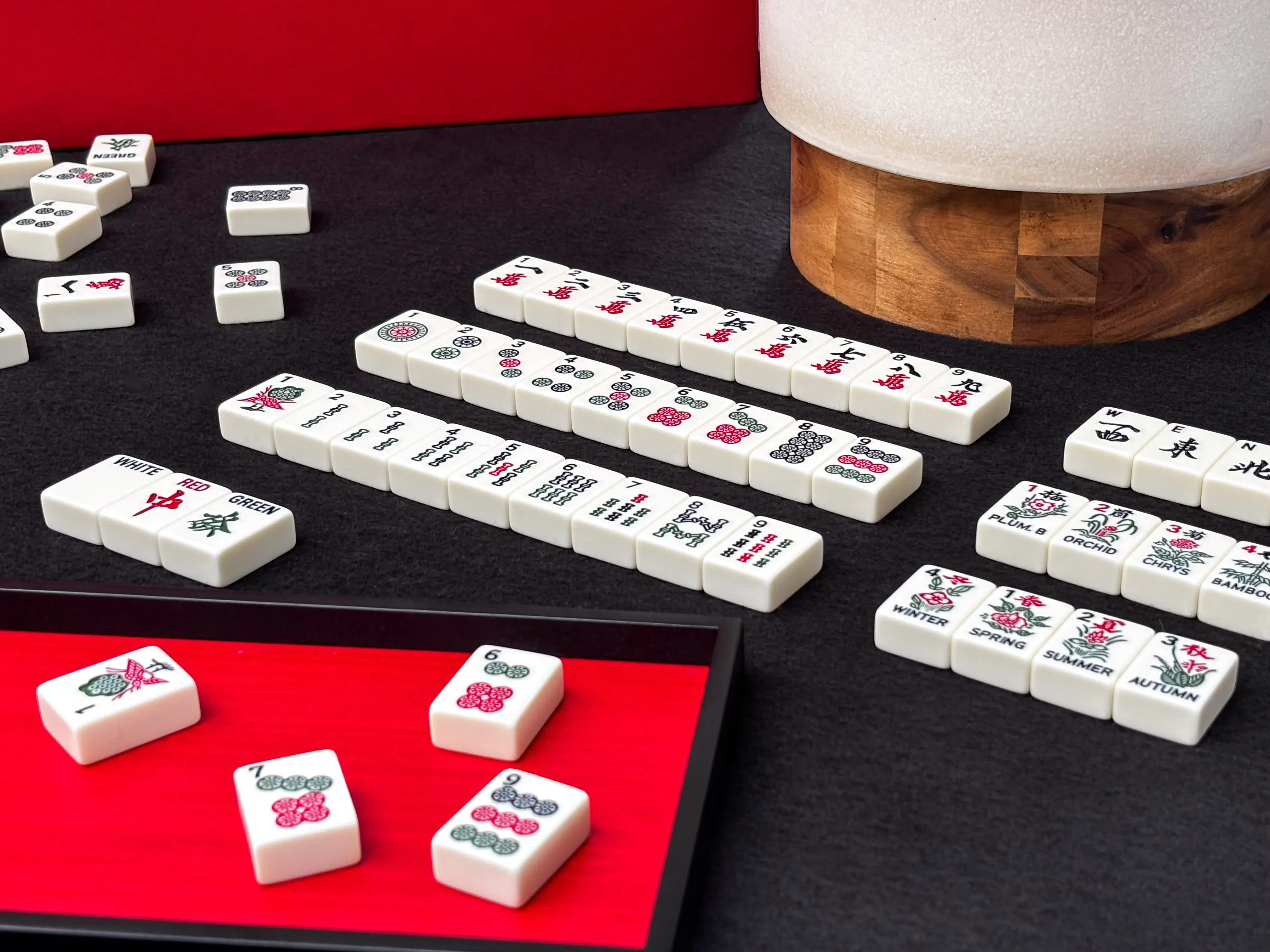
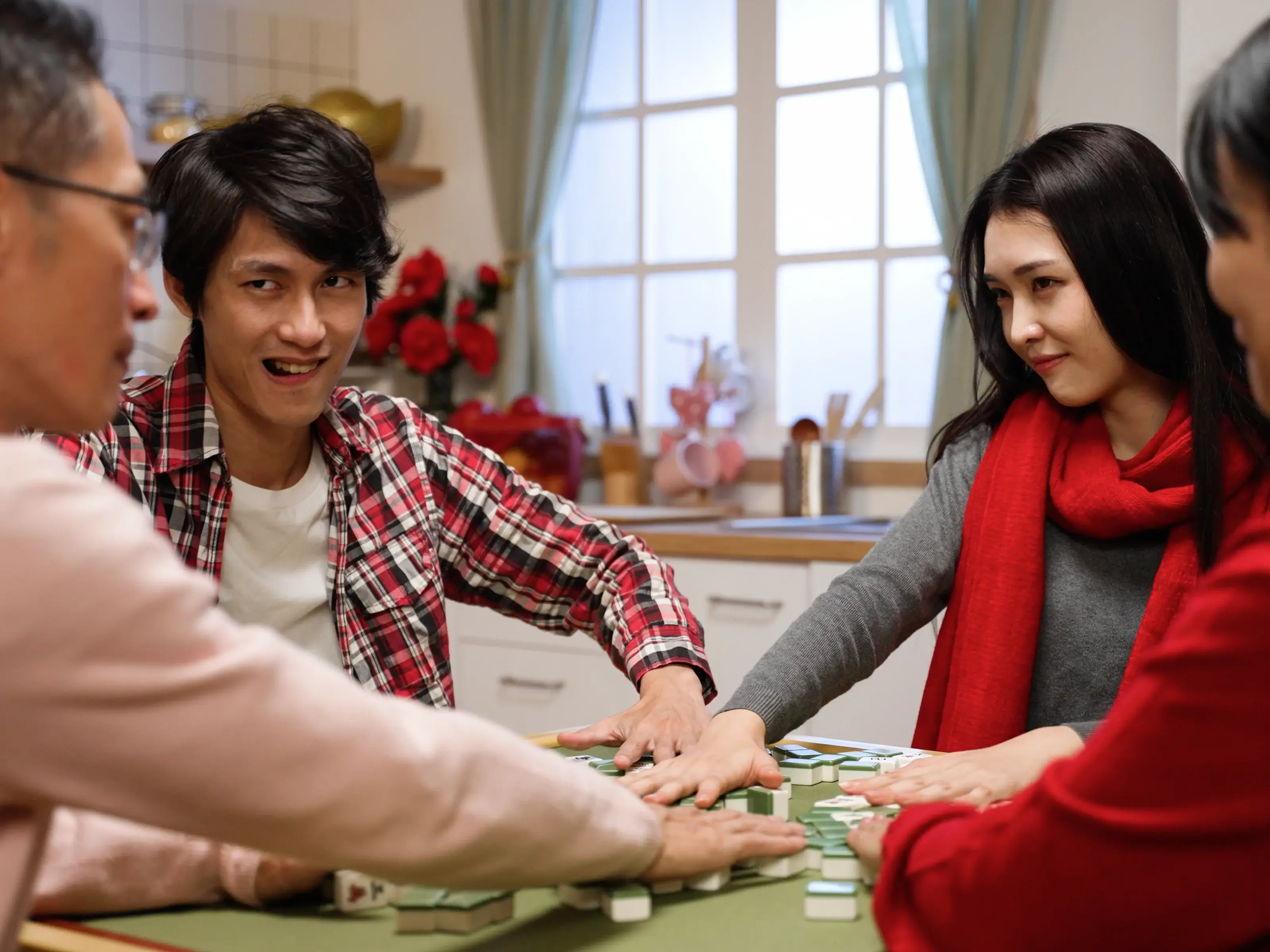
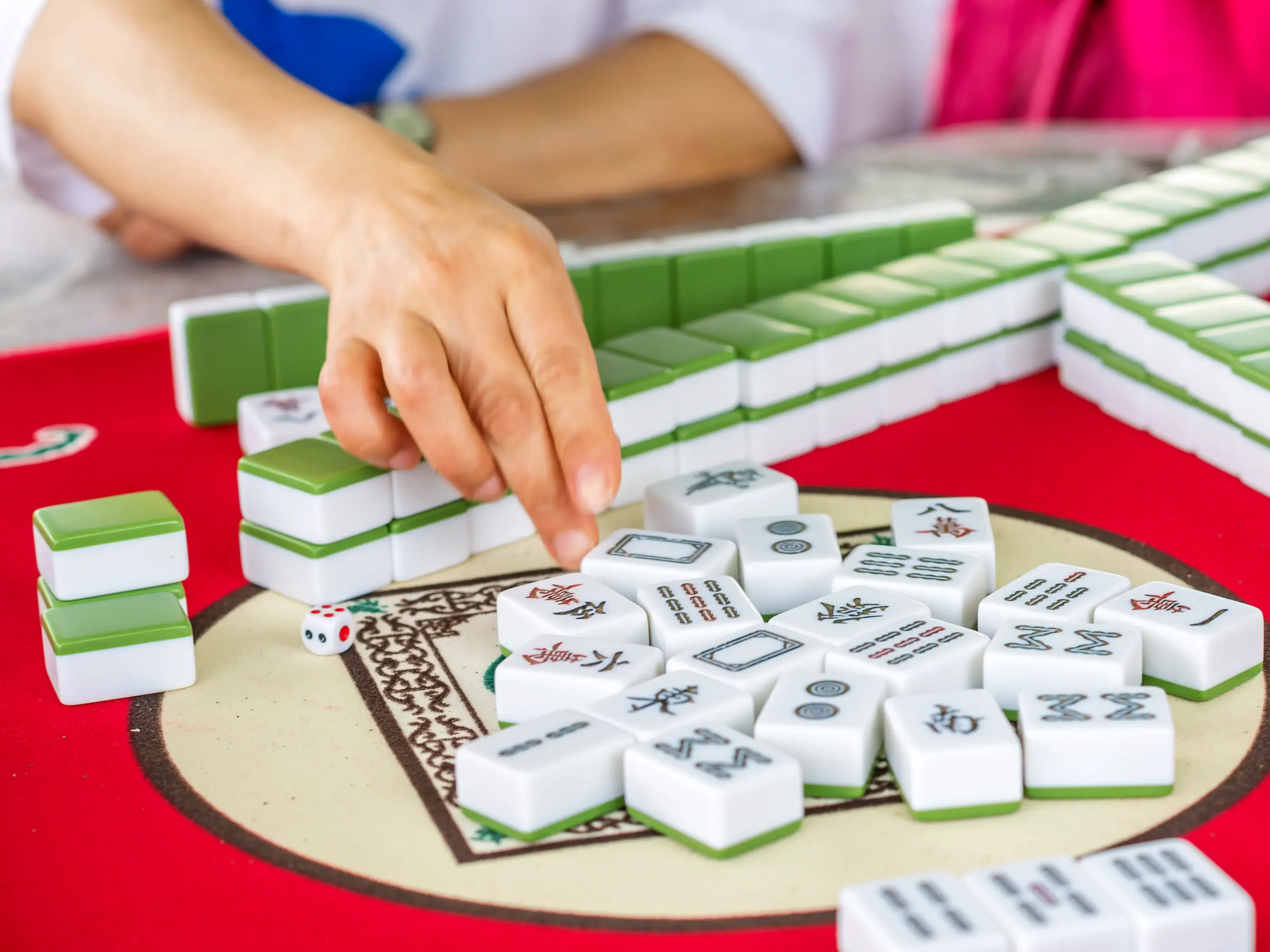
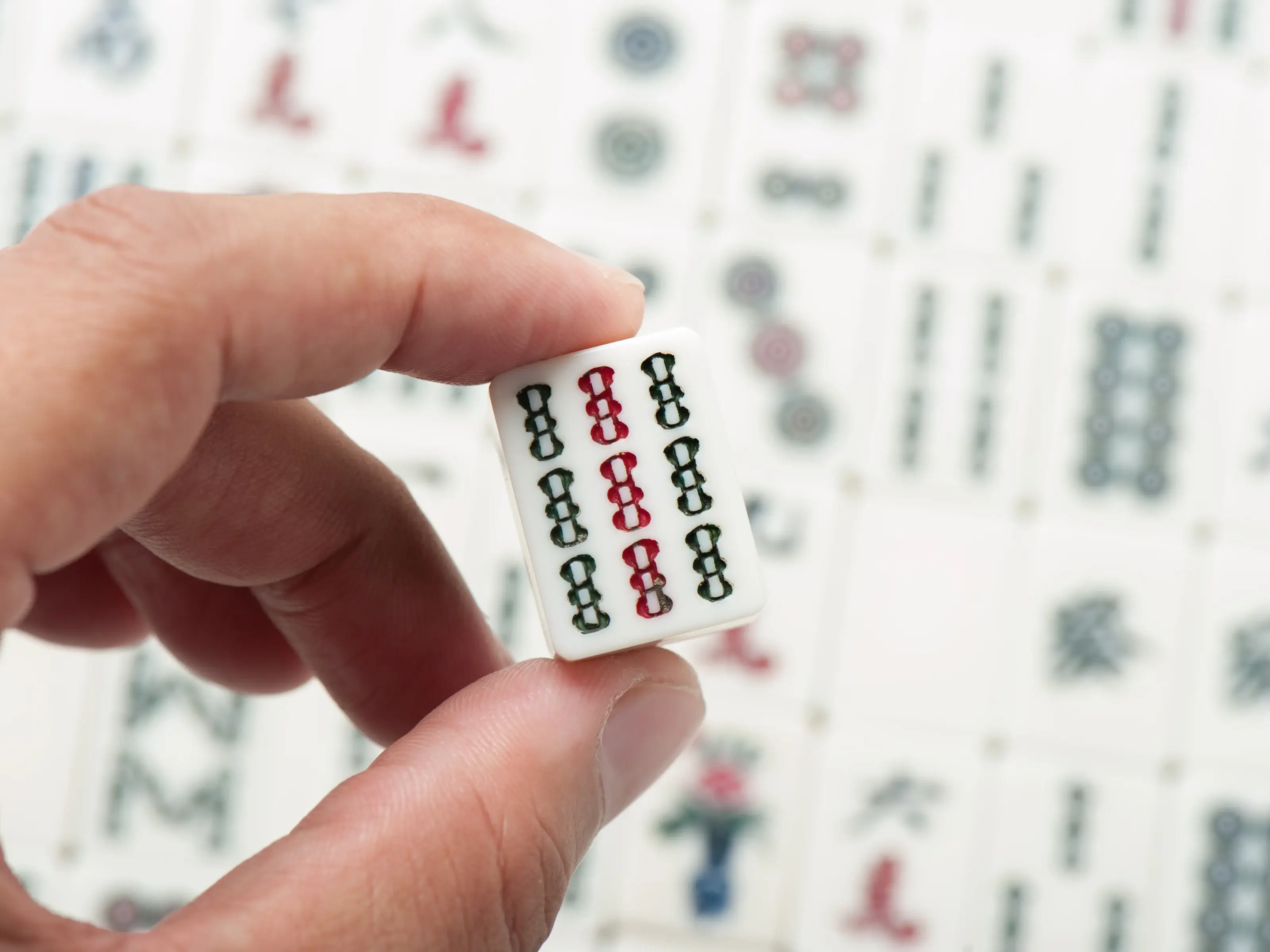
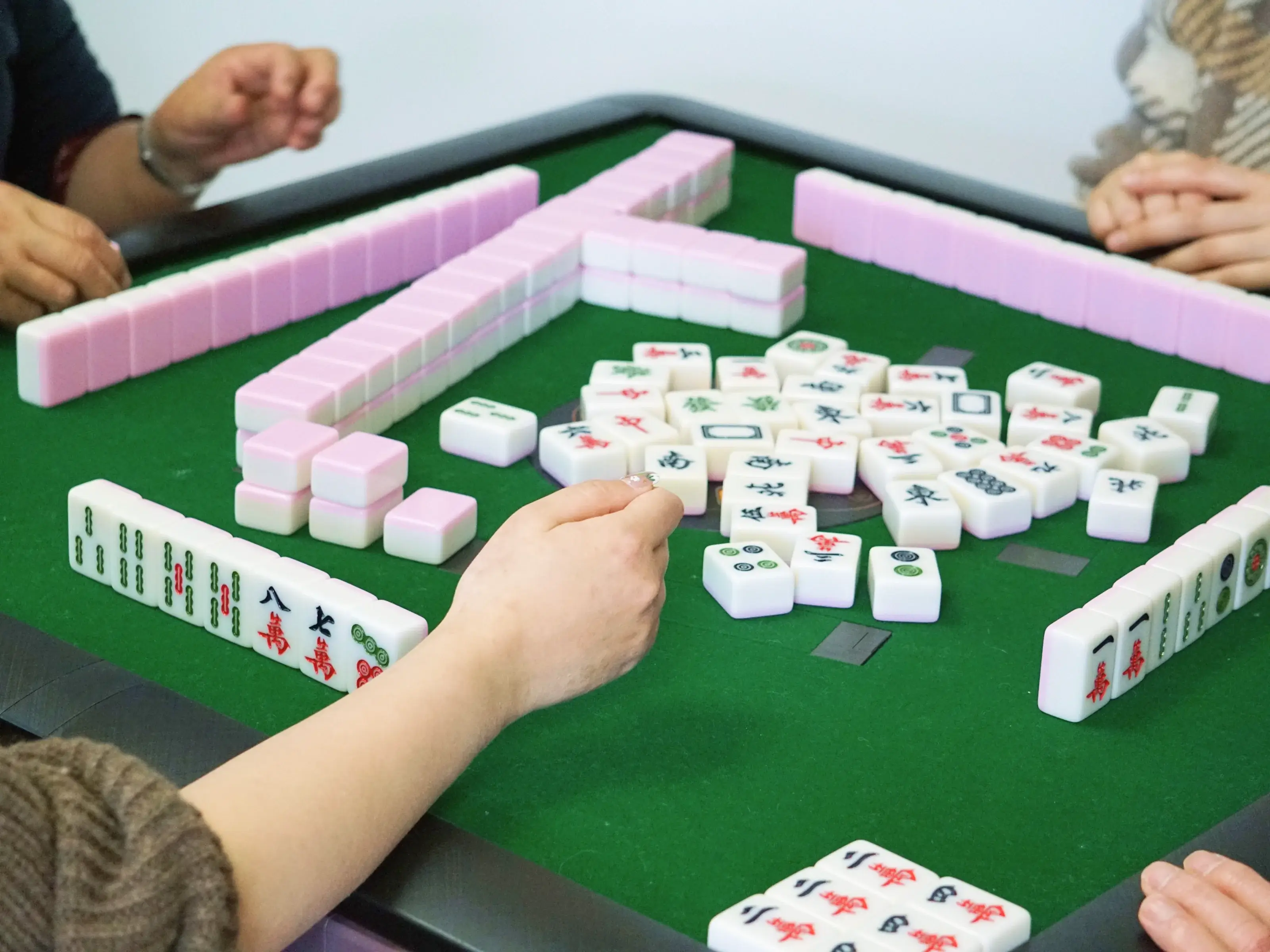
Classic mahjong and mahjong solitaire differ in several key aspects. Classic mahjong is a traditional Chinese game played with four players, where the objective is to form winning tile combinations. It uses 144 tiles, including characters, bamboo, circles, winds, dragons, and additional tiles such as flowers and seasons.
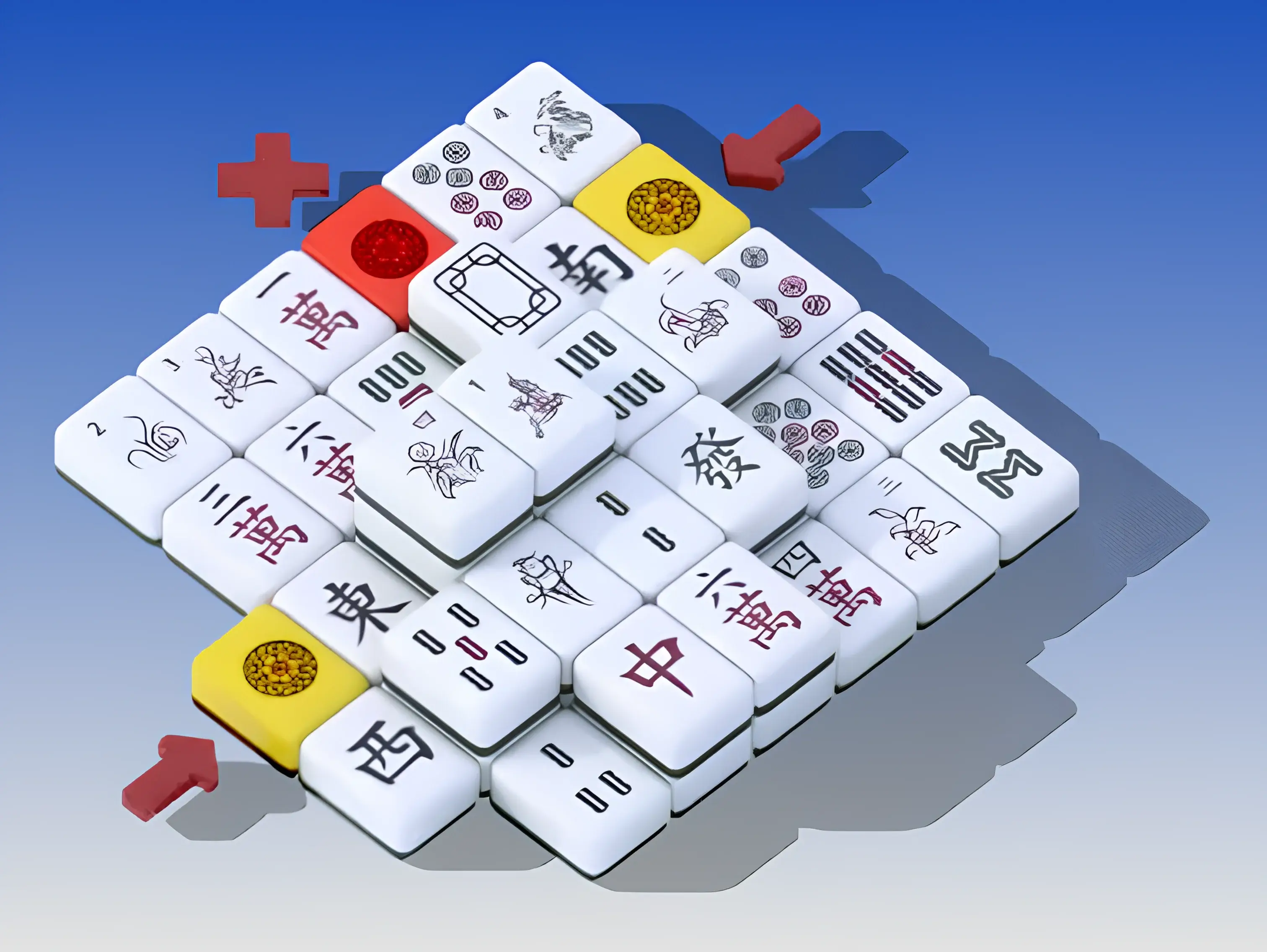
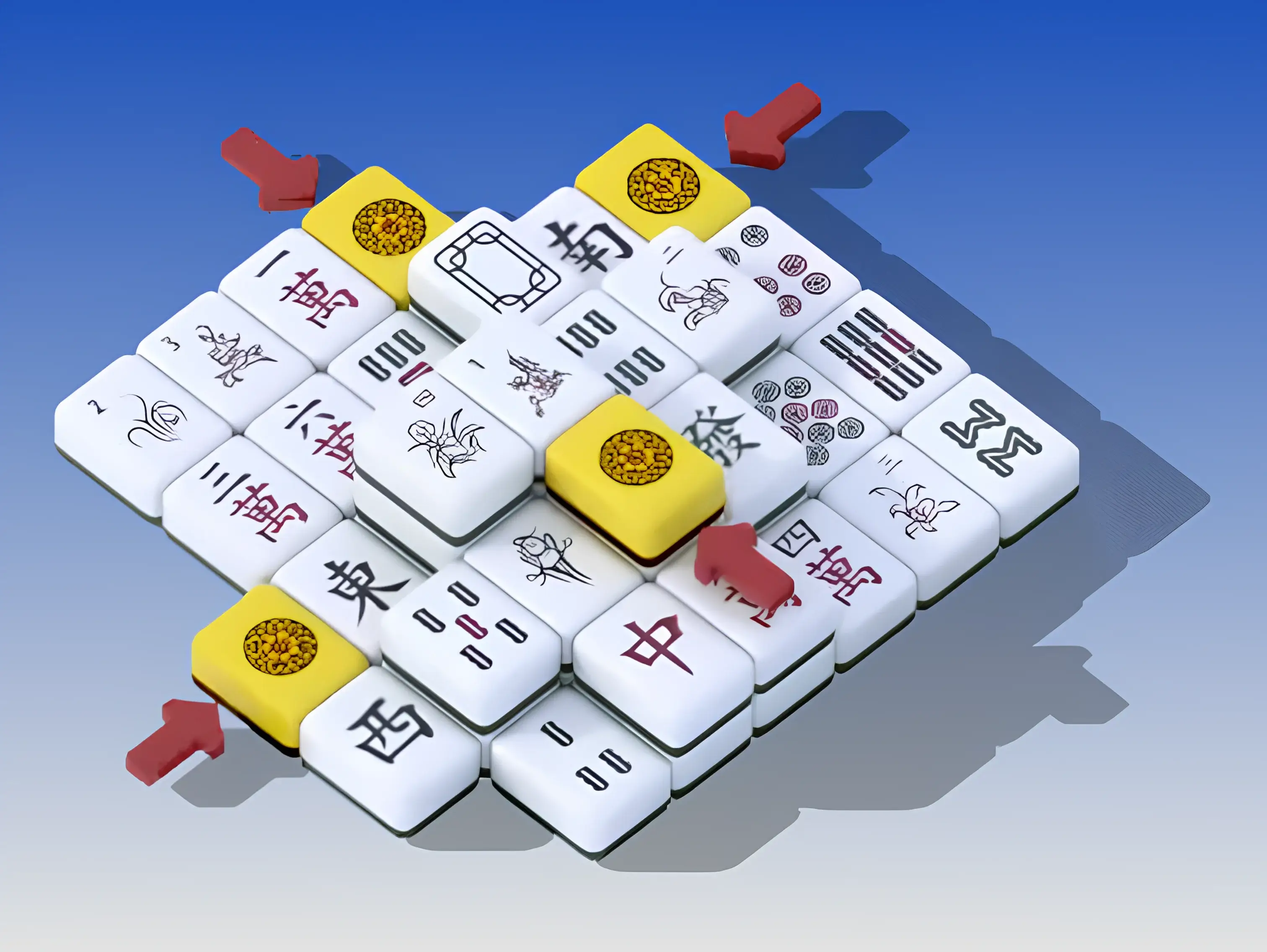
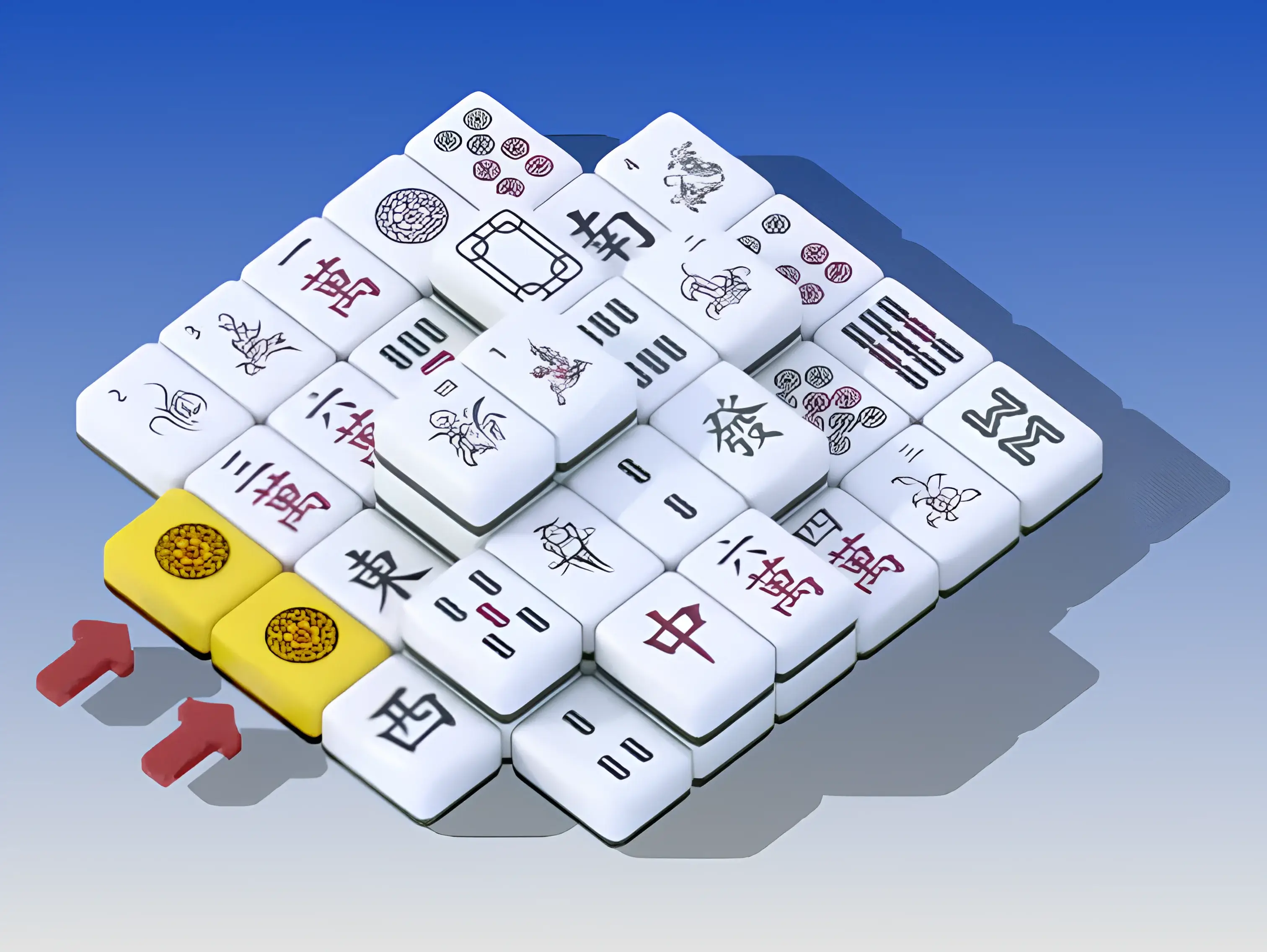
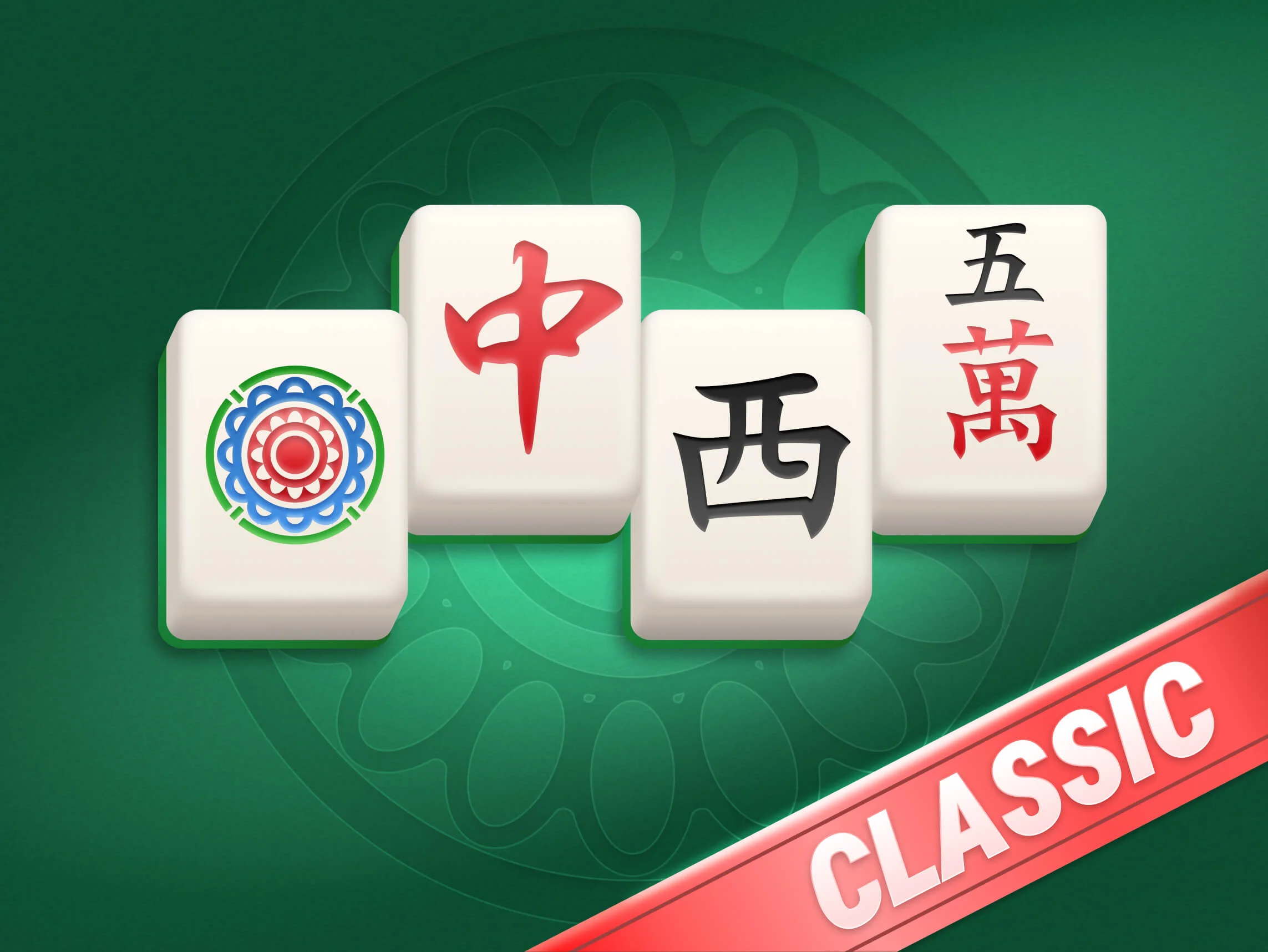
Mahjong solitaire, on the other hand, is a single-player game where the goal is to clear the board by matching pairs of identical tiles. This version of the game uses the same tile set as classic mahjong, but its objectives and rules are entirely different.
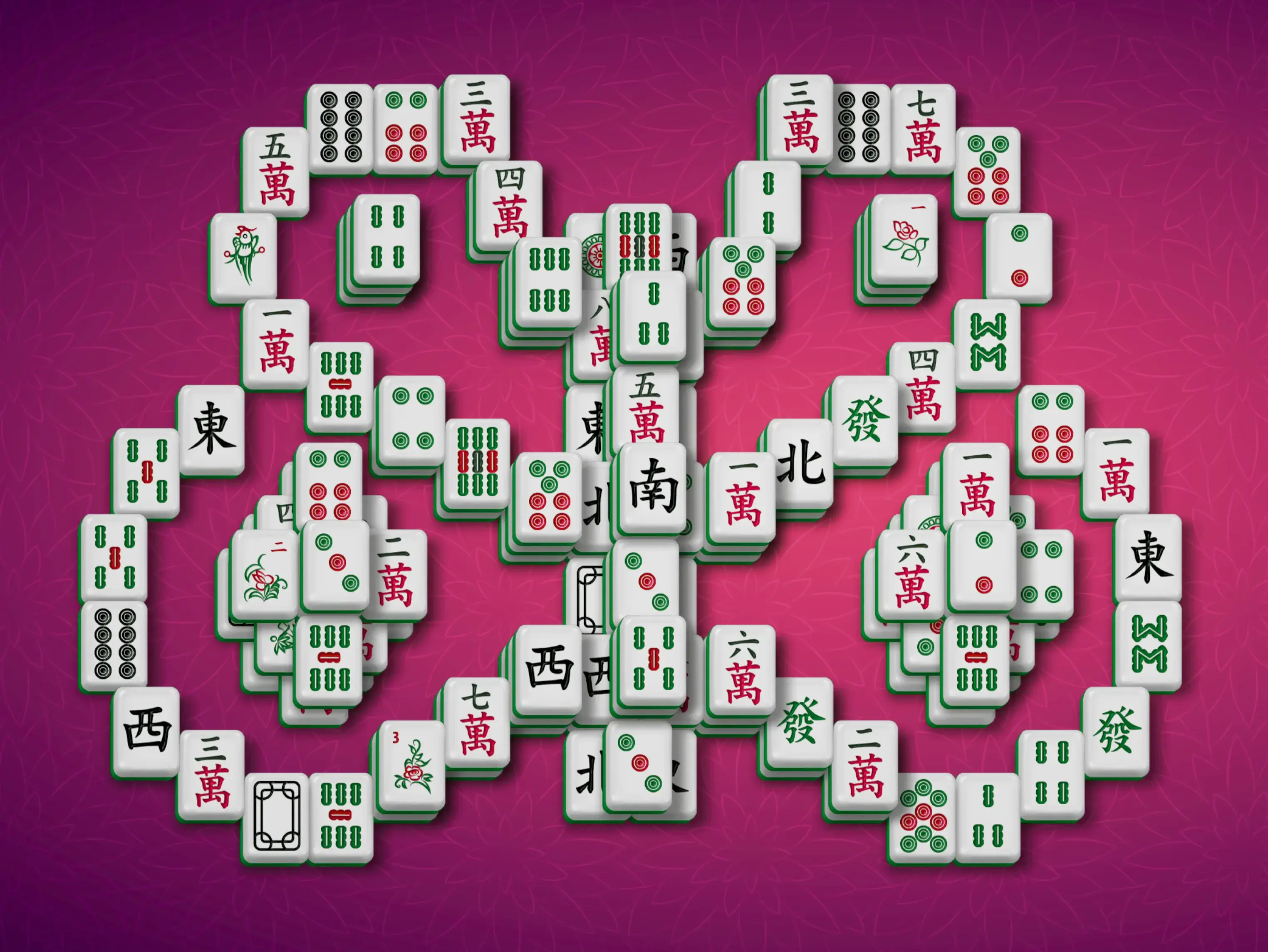
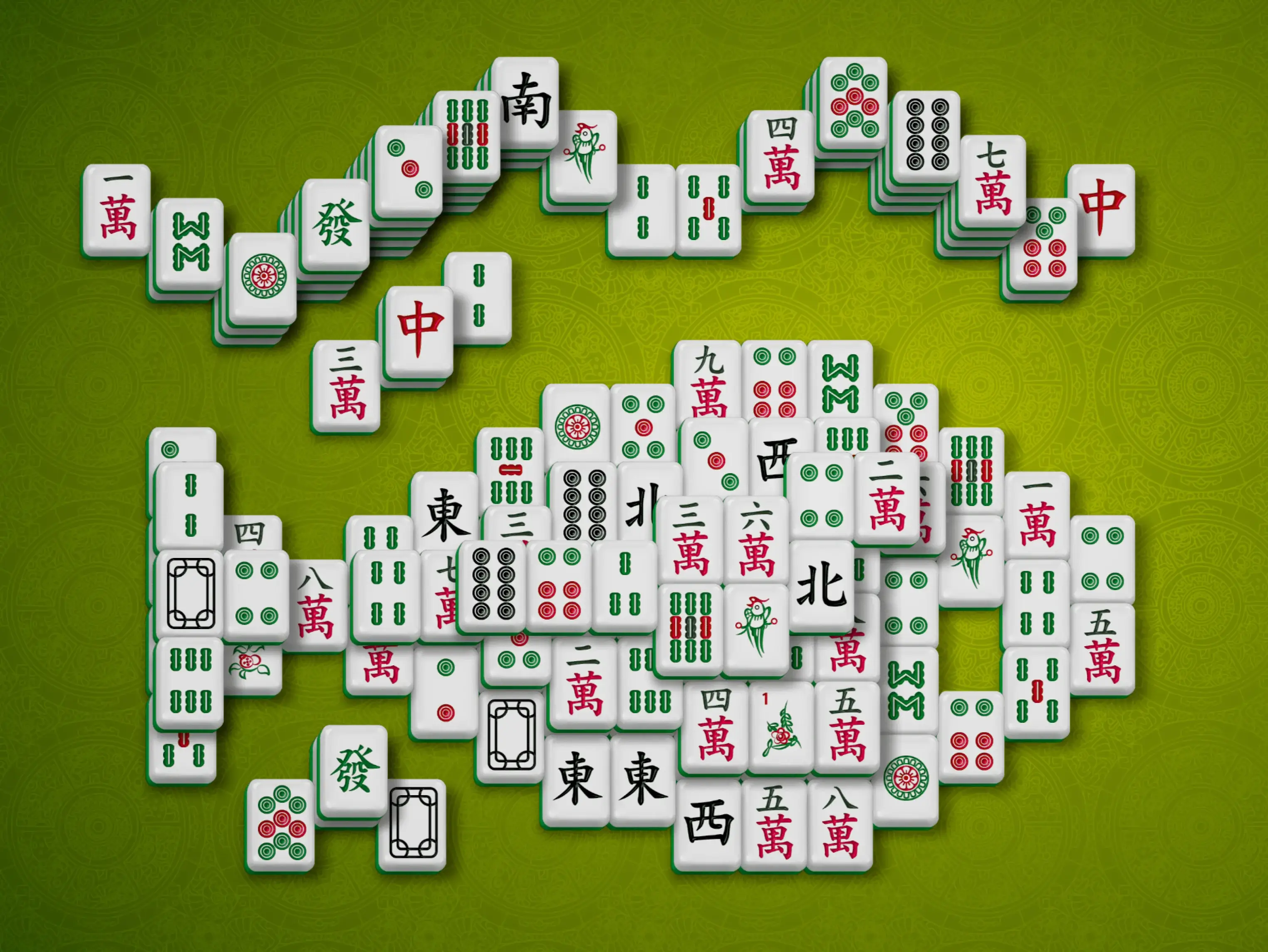
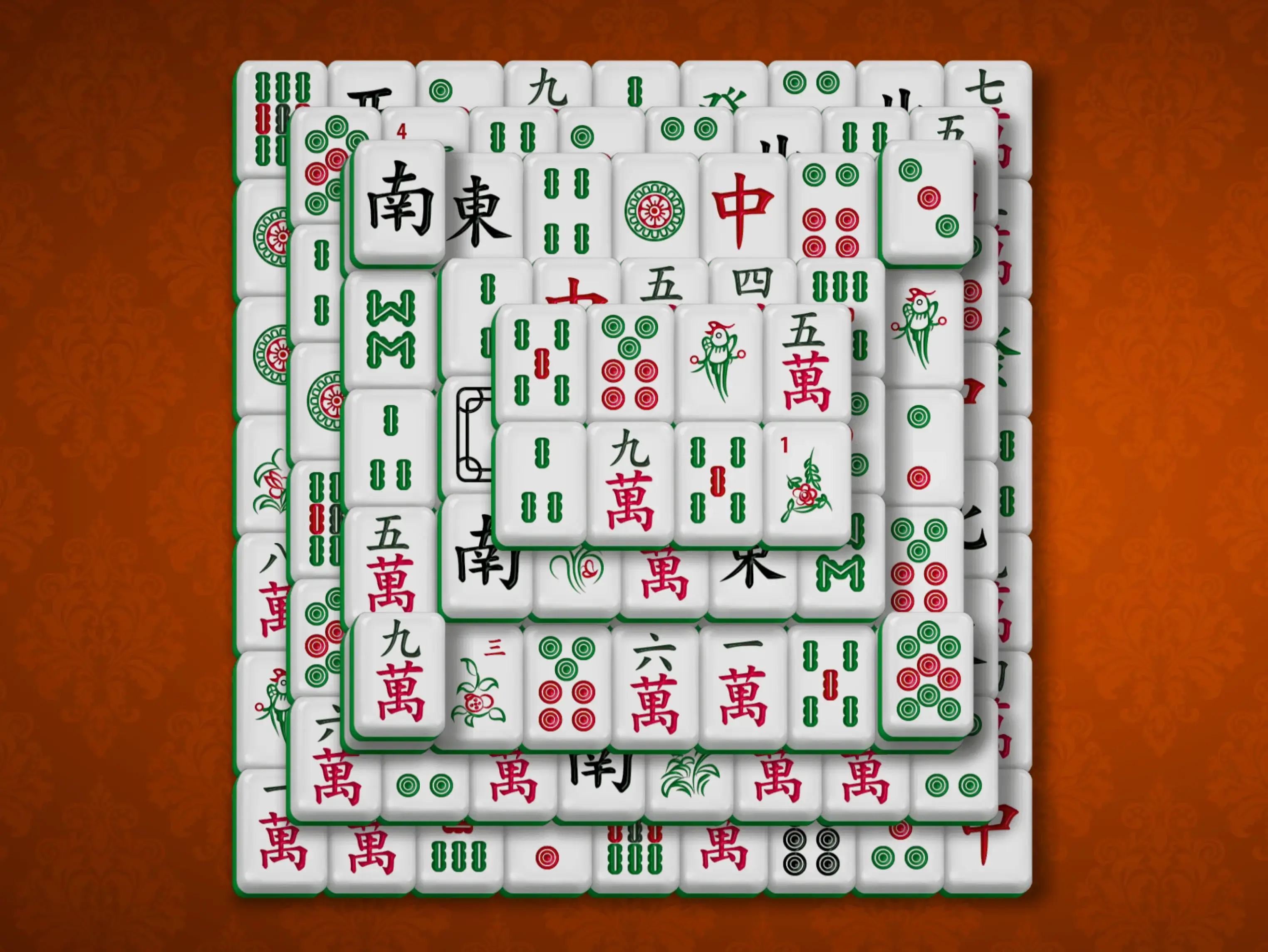
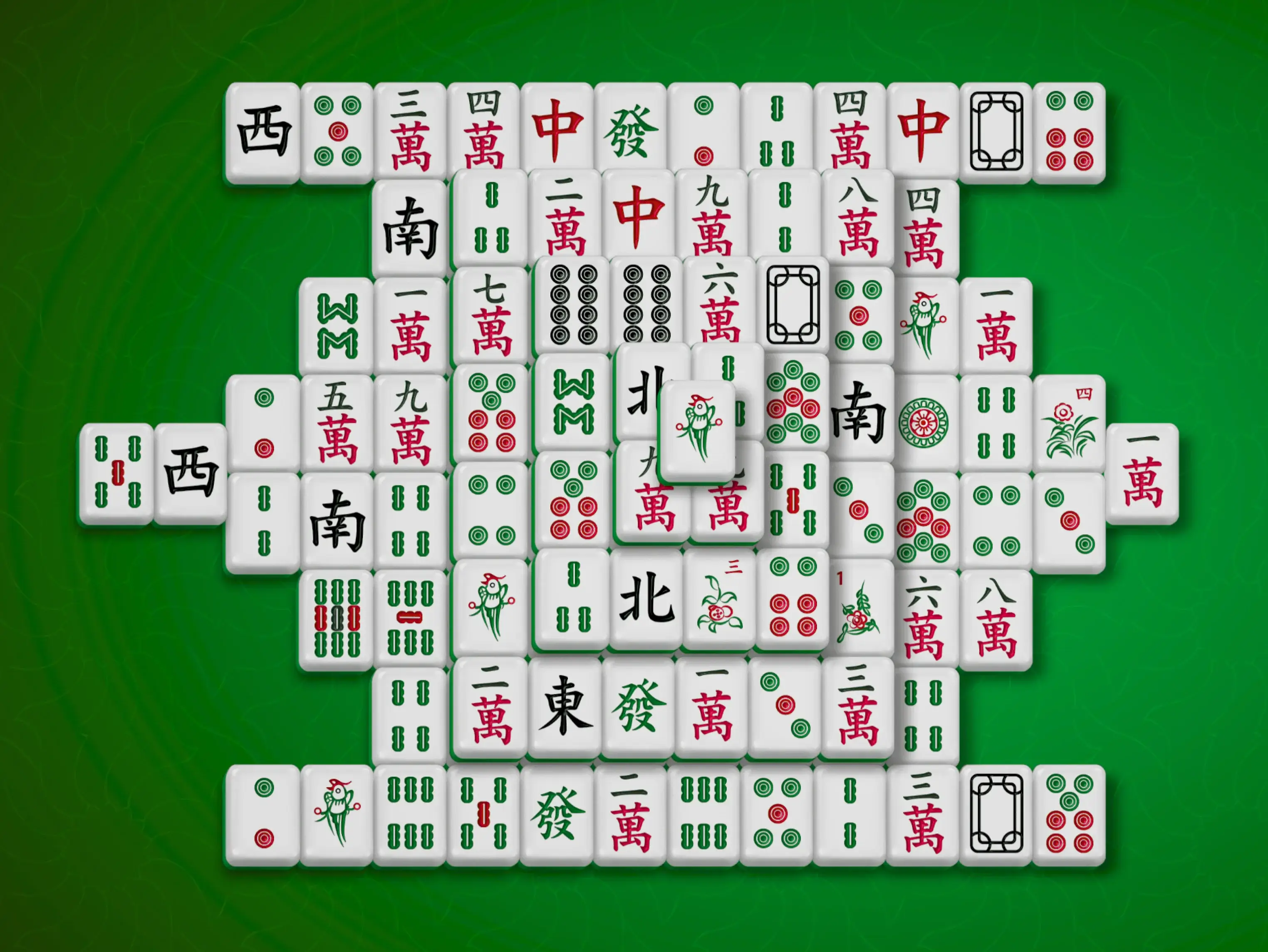
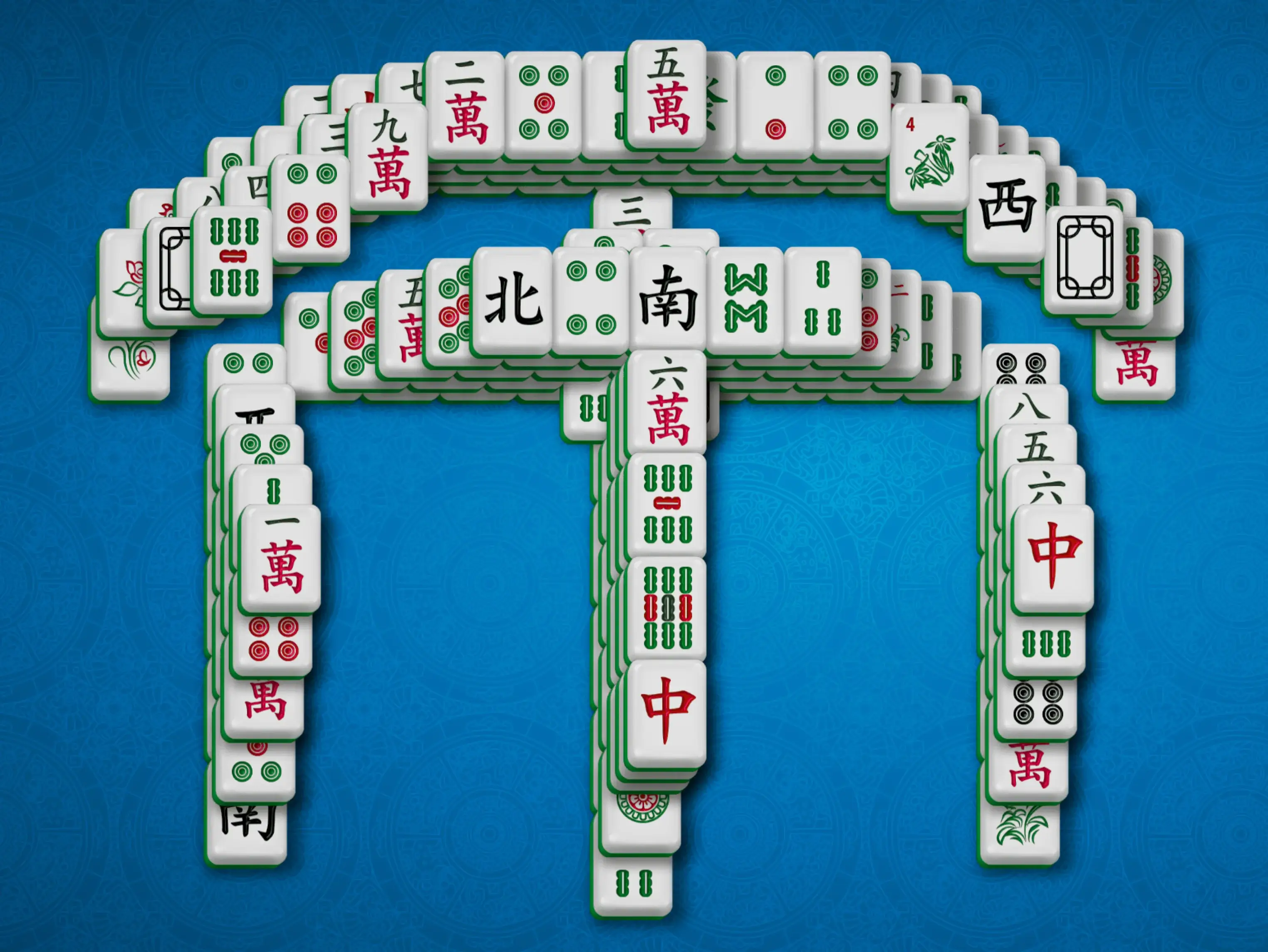
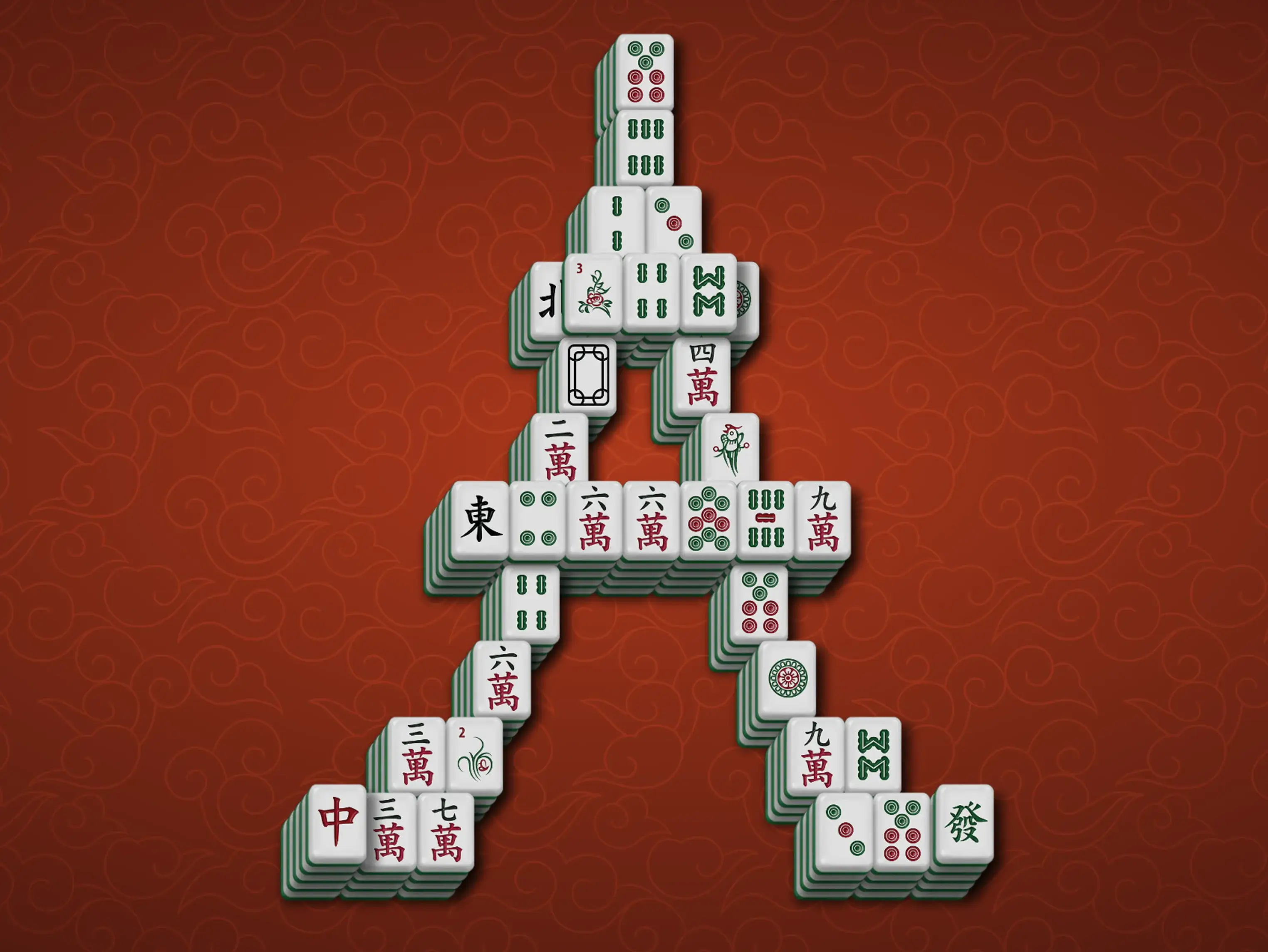
Different layouts make Mahjong Solitaire more interesting. The rules stay the same: find open pairs of identical tiles and remove them from the board. But the shape of the layout changes how the game plays. In simple layouts, available pairs are easier to spot. In more complex layouts, you need to look more carefully and think ahead about which tiles to open first.
The main difference between these two games is the number of players and how they are played. Classic mahjong requires strategic thinking, the ability to read opponents’ moves, and planning several steps ahead. Mahjong Solitaire focuses more on visual memory and the ability to quickly spot matching tiles.
The difficulty of classic mahjong depends on the players’ experience and the type of winning hand they are trying to build. Mahjong Solitaire is different: its difficulty mostly depends on the starting layout, how many tiles are blocked, and how easily open pairs can be found.
Both games train focus and attention, but they do it in different ways. Classic mahjong challenges you to read other players, plan ahead, and adapt your strategy, while Mahjong Solitaire focuses on pattern recognition, visual memory, and finding open pairs.