
How to Practice Mahjong Solo
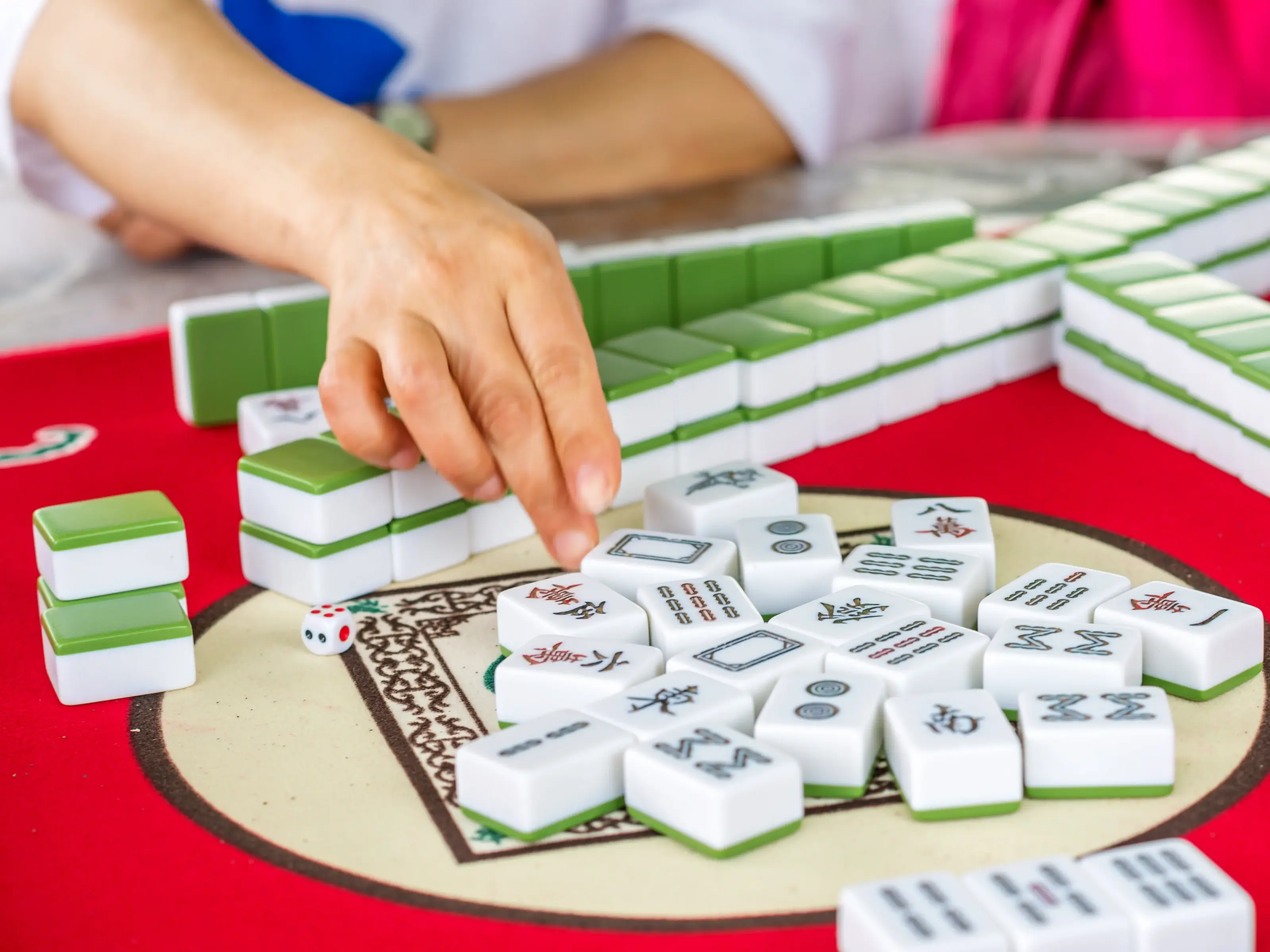
Mahjong practice doesn't require three other people, a set schedule, or even a physical tile set. Whether you're learning the basics or trying to sharpen a specific skill, solo practice is one of the most efficient ways to improve. You control the pace, the focus, and the format. This guide covers what that looks like in practice, from matching games for beginners to AI opponents for experienced players working on advanced strategy.
Why Solo Mahjong Practice Matters
The biggest advantage of practicing alone is that you can isolate weaknesses without the pressure of holding up a game. In a live four-player session, there's a natural push to keep things moving. Solo practice removes that constraint entirely, which makes it much easier to slow down on the parts that aren't clicking yet.
Tile recognition is the clearest example. Confusing a 2 Bamboo with a 3 Bamboo in a fast game is easy to do, and those mistakes compound. Short solo sessions focused on scanning and matching specific tile categories build the visual fluency that makes everything else faster.
There are cognitive benefits worth mentioning, too. Tracking 136 tiles across multiple suits while calculating discard probability engages the same working memory systems used in chess and card counting. Regular practice, even 15 to 20 minutes a few times a week, tends to improve focus and pattern recognition in a way that carries over beyond the game itself.
Flexibility matters as well. Traditional four-player games run 60 to 90 minutes and require coordination. Solo sessions fit into a lunch break or the 20 minutes before bed. That accessibility is what makes consistent practice realistic rather than aspirational.
Different Mahjong Variations For Practice
Not all mahjong practice develops the same skills. The variation you choose determines what you're actually working on.
Mahjong Solitaire is a single-player matching puzzle. You remove pairs of identical tiles from a layout until the board is cleared. It uses mahjong tiles but shares no rules with traditional gameplay. Its value is in tile recognition. Distinguishing between Characters, Bamboos, Dots, Winds, and Dragons under time pressure is a foundational skill, and solitaire builds it efficiently. What it doesn't cover is strategy, hand construction, or anything that happens in a real game.
Traditional mahjong variations — American (NMJL), Chinese Classical, Japanese Riichi, and others — are four-player games that can be practiced solo using AI opponents on online platforms. These teach the mechanics that actually matter in live play: when to call a discard, how to evaluate your starting hand, when to abandon a high-scoring hand in favor of a faster win, and how to read the table from other players' discard patterns. Each variation has its own rules and scoring, so the practice you do is specific to the game you're preparing for.
Both types offer value but serve different practice goals. Mahjong Solitaire builds foundational visual skills for recognizing tiles at a glance, while traditional variations with AI opponents develop strategic thinking about hand construction, probability calculation, and reading opponents' intentions through their discards. Understanding how to play each variation helps you choose the right practice method for your goals.
Ways To Play Mahjong Online For Free
TheMahjong.com offers more than 200 Mahjong Solitaire layouts with no registration required, accessible on desktop and mobile. The range of layouts matters because different board configurations challenge your spatial reasoning differently. Classic layouts like Turtle are a reasonable starting point; more complex layouts push you to think ahead rather than react.
For traditional gameplay, mobile apps and browser-based platforms with AI opponents are widely available. Options include Japanese Riichi simulators with adjustable difficulty, Chinese Classical platforms with tutorial modes, and American Mahjong apps that update with the current NMJL card each year. The better platforms track win rates, hand completion time, and common errors, which gives you something concrete to work with beyond a general sense of whether you're improving.
When evaluating platforms, look for clean tile rendering, a functional hint system if you're newer to the game, and replay features that let you review completed games. The replay function in particular is underused. Watching a full game back after you've finished it reveals decision points that are invisible in the moment.
How To Improve Skills With AI Or Bots
Practicing against computer opponents bridges the gap between solitaire games and live multiplayer. AI opponents simulate human decision-making in traditional four-player games, letting you practice drawing, discarding, calling tiles, and forming winning hands without needing human opponents.
Key skills to develop through AI practice include reading the table by tracking which tiles bots discard (if a bot discards all their 1 and 9 Dots early, they're likely building a hand that doesn't need terminals), defensive play to avoid feeding opponents winning tiles, hand selection based on your starting tiles and the probability of completing different patterns, and timing decisions about when to call discarded tiles versus keeping your hand concealed for higher points. Advanced players use AI practice to test specific scenarios—for example, practicing how to pivot from one hand pattern to another when key tiles don't appear, or learning when to abandon a high-scoring hand in favor of a faster, lower-scoring win. Avoiding common mahjong beginner mistakes becomes easier when you practice these skills against AI opponents who demonstrate consistent strategic patterns.
To maximize AI practice, start with easier difficulty settings and focus on completing hands rather than winning immediately. After each game, review which tiles you held too long or discarded too early—many platforms offer replay features that let you examine the entire game flow and identify turning points where different decisions would have changed the outcome. Gradually increase difficulty as your tile-reading speed improves, moving from beginner bots that make obvious mistakes to advanced AI that employs defensive discarding and strategic tile hoarding.
A Solo Practice Routine
Consistent, structured practice yields better results than random play. A progression from basic to advanced skills helps build a strong foundation.
Start With Basic Matching
Before strategy matters, tile recognition does. Spend two to three weeks on Mahjong Solitaire, with sessions of 15 to 20 minutes. Rather than playing randomly, give each session a focus. One day, concentrate on the three number suits and the differences between similar tiles, specifically 2 Bamboo versus 3 Bamboo, or 6 Characters versus 8 Characters. The next day, drill the honor tiles, all four Winds, and all three Dragons, until you can identify them at a glance without counting.
The goal isn't to win layouts quickly. It's to reach the point where identifying a tile takes no conscious effort, freeing up mental bandwidth for actual strategy when you move into traditional gameplay.
Develop A Memorization Habit
Once tile recognition is solid, move into AI-opponent games and start tracking discards. This sounds straightforward and is genuinely difficult the first several times you try it.
Start small: track only one suit per game. Count how many 3, 4, and 5 Dots have been discarded. If three 4 Dots are already gone, you know the fourth is unlikely to appear, which changes how you value any hand that depends on it. Once tracking a single suit becomes automatic, add a second, then the third number suit, then honors.
This habit is one of the clearest dividers between beginner and intermediate play. Players who track discards calculate probability. Players who don't play on hope. The difference shows up consistently over many games.
Track Discards
The next layer is reading what opponents' discards tell you about their hands. This is pattern recognition applied to strategy, and it compounds quickly once you start looking for it.
A player discarding Red Dragon, White Dragon, and Green Dragon in the first few turns is building a number-based hand. A player discarding only low-value terminals and honors is likely pursuing an All Simples hand. A player discarding exclusively from one suit may be concentrating in another. None of these reads is definitive, but each narrows your picture of what's dangerous to discard.
In AI practice, bots follow consistent enough patterns to make this exercise useful. They won't show you the unpredictability of human opponents, but they will teach you the habit of observing before discarding, which is the skill that transfers.
Increase Challenge With Timed Sessions
Once the core skills are in place, add time pressure. Set a 30-second limit per decision in AI games. If 30 seconds feels comfortable after a few sessions, reduce it to 15.
The purpose isn't speed for its own sake. Live games have an unspoken rhythm, and players who take too long on routine decisions slow the table and draw attention to their deliberation. Practicing under time constraints builds the decision-making speed that makes you a functional player in real-game conditions, not just a capable one in a low-pressure environment.
This is also where you'll notice the gaps in your earlier foundation. If tracking discards and reading the table require enough mental effort that 30 seconds feels tight, those skills need more time before adding pressure. The timed sessions work best as a test, not a shortcut.
American Mahjong Online Focus
American Mahjong, specifically the NMJL style popular across the United States, requires a layer of practice that other variations don't: the card. The NMJL publishes a new hand card each April listing the specific patterns players must build that year. No card pattern, no win. The card changes every year, which means annual relearning is part of playing the game.
Some American Mahjong platforms offer bot opponents that play against current-year card patterns, which is the most useful practice format available for this variation. Free tools that analyze your current tiles and map them to achievable card patterns are also worth using early in the learning process, since they help you understand the logic of pattern matching before you've memorized enough of the card to apply it quickly.
When learning a new card, prioritize the sections that appear most frequently in live games. The 2468 and Consecutive Run sections tend to offer the most flexibility and the most paths to completion, so memorizing those first has an immediate payoff.
One of the most valuable skills in American Mahjong is identifying dead hands early. If your tiles don't align with any achievable pattern and you're far enough into the game that pivoting is unlikely to work, recognizing that quickly and playing defensively is the right move. Players who can make that call in the first several turns lose less and pressure opponents more. Solo practice with hand-analysis tools is the most direct way to build this skill.
The practical target for card familiarity is getting the time you spend studying your tiles each turn from 20 to 30 seconds down to 5 to 10. That shift happens through repetition, not memorization drills. Consistent play with the current card is more effective than flashcards.
Join The Fun And Keep Learning
Solo mahjong practice works when it's consistent, not when it's intensive. Three 20-minute sessions a week will outperform a two-hour session once a month over any meaningful timeframe. The skills compound, and the compounding only happens through repetition.
TheMahjong.com is a practical starting point for tile recognition work, with more than 200 free Mahjong Solitaire layouts, no registration required, and accessible on desktop and mobile. From there, the path leads toward AI opponents, traditional game mechanics, and eventually live play, where all of the skills you've built actually get tested.
Solo practice builds the foundation. Live games reveal what you actually know.
Frequently Asked Questions About Solo Mahjong Practice
Can You Practice Mahjong Alone Without Special Equipment Or Apps?
Yes. A physical tile set is enough. Set up a four-player game and play all four hands yourself, rotating between positions after each turn. It's slower and more logistically awkward than an app, but it teaches you something different: how the game looks and feels from each seat. Players who have played all four positions tend to develop table-reading instincts faster than those who've only ever held one hand at a time.
You can also run hand-building drills with a physical set without playing full games. Draw 13 tiles, then draw and discard one at a time while working toward a complete hand. It's a focused exercise for pattern recognition that requires no opponent, no app, and no screen.
How Does Solo Mahjong Practice Compare To Playing With Other People?
They develop different things and both matter. Solo practice is where you build technical skills: tile recognition, hand construction, discard tracking, and card familiarity for American Mahjong. You can pause, replay, and focus on weaknesses without any social pressure or time constraints. The conditions are controlled, which is exactly why they're good for developing fundamentals.
Live play introduces everything solo practice can't simulate: the time pressure of keeping pace with real players, the unpredictability of human decision-making, the psychological dimension of winning and losing in a social setting, and reading physical tells and betting behavior. AI opponents are consistent enough to be useful for learning, but they're also predictable in ways human players aren't.
The practical approach is to use solo practice to build the skills that make live play less overwhelming, then use live play to test those skills under conditions you can't replicate alone.
How Can You Stay Motivated When Practicing Mahjong By Yourself?
Measure something. Vague improvement is hard to stay interested in. Track your average time to complete a solitaire layout, your win rate against AI at a given difficulty, or how many turns it takes you to complete a hand. Watching a specific number move in the right direction is more motivating than a general sense that you're getting better.
Vary the format. Alternating between solitaire, AI games, and specific drill exercises prevents the routine from getting stale. Set small weekly challenges, finishing five games without using a hint, or winning three consecutive games at a difficulty level you found hard a month ago.
Consistency matters more than volume. A 15-minute session three times a week is more effective than sporadic longer sessions, and it's also easier to maintain. Once practice becomes a habit rather than a decision, motivation becomes less of a factor.
Other Mahjong News
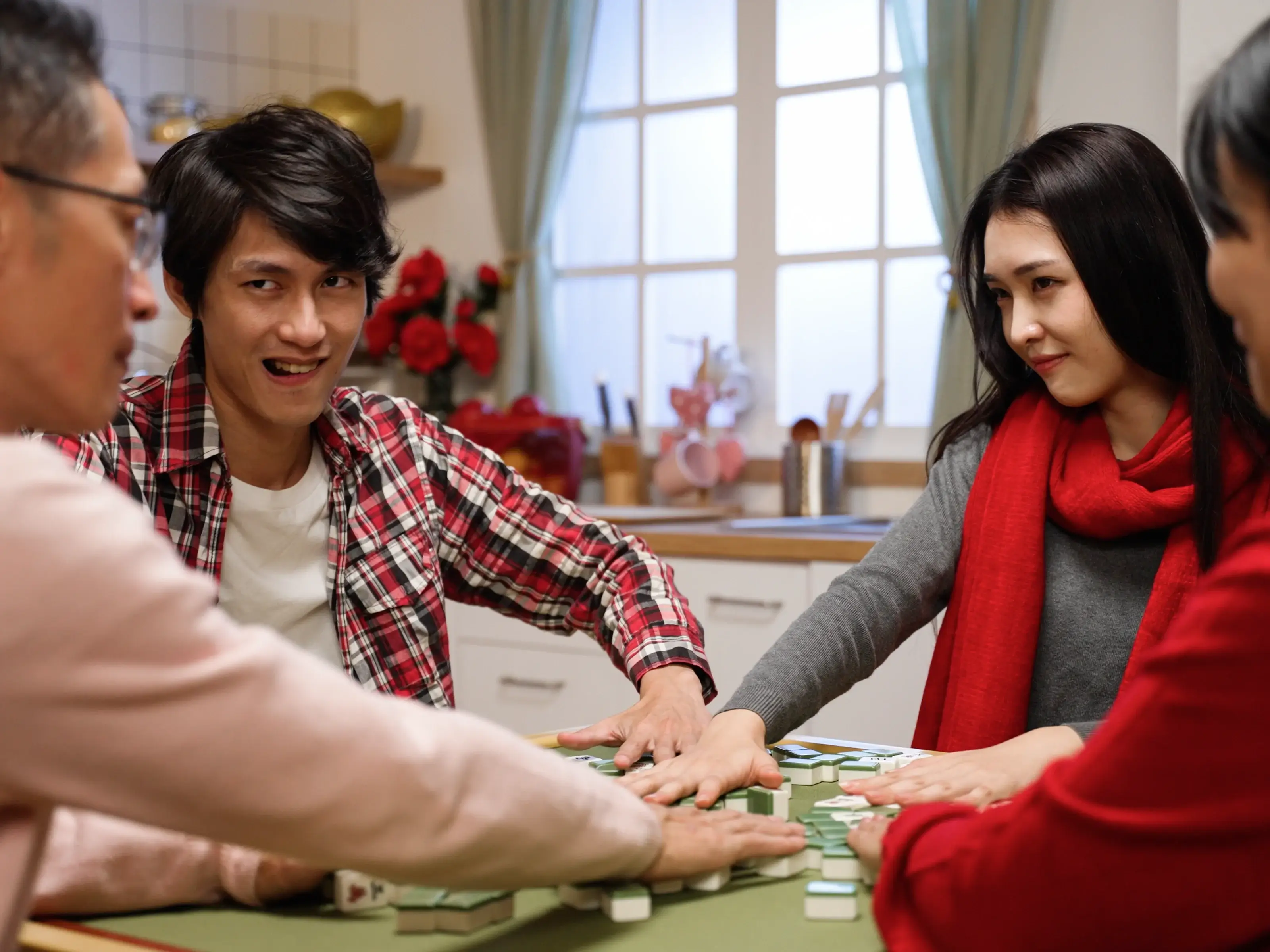
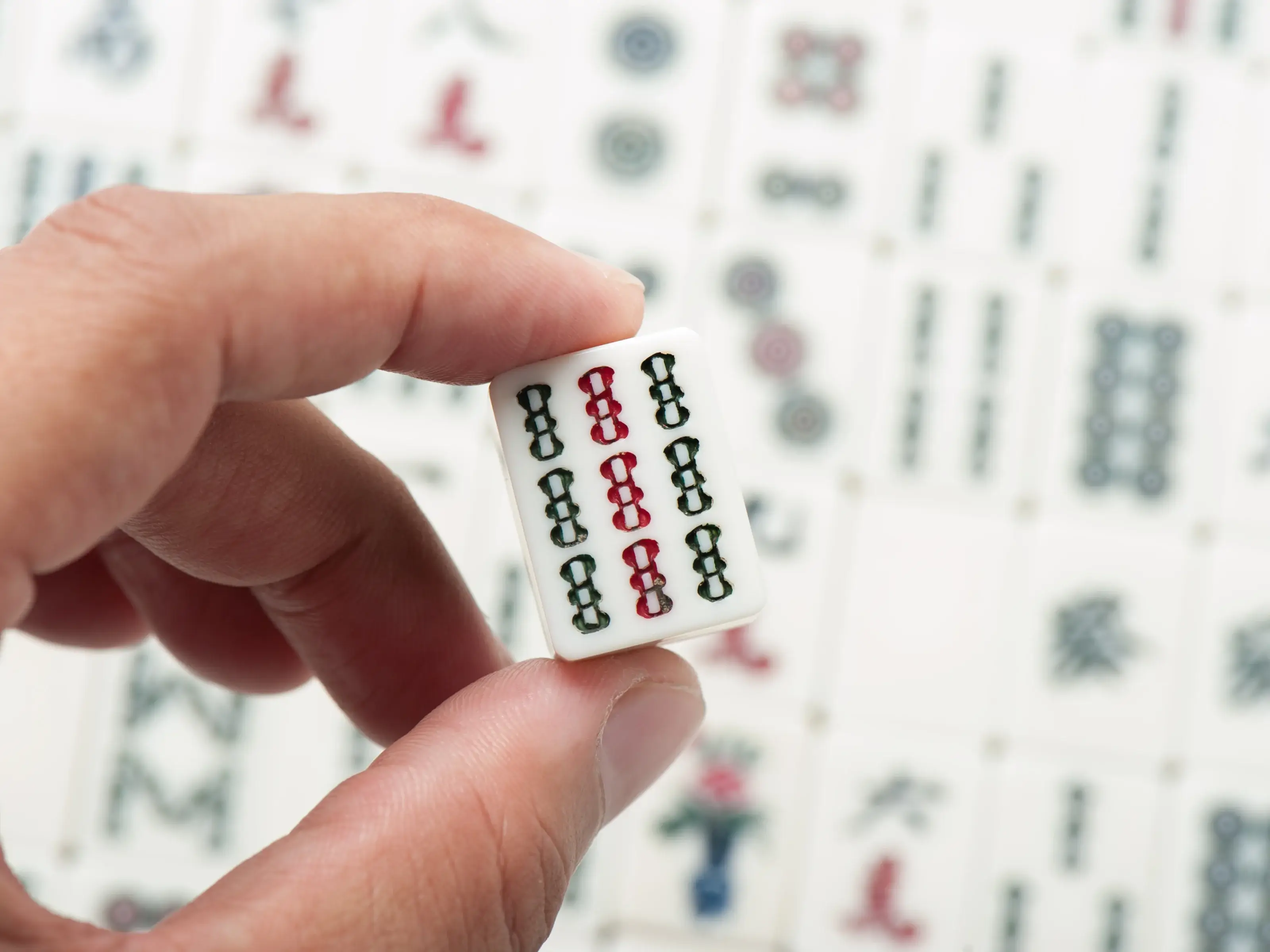
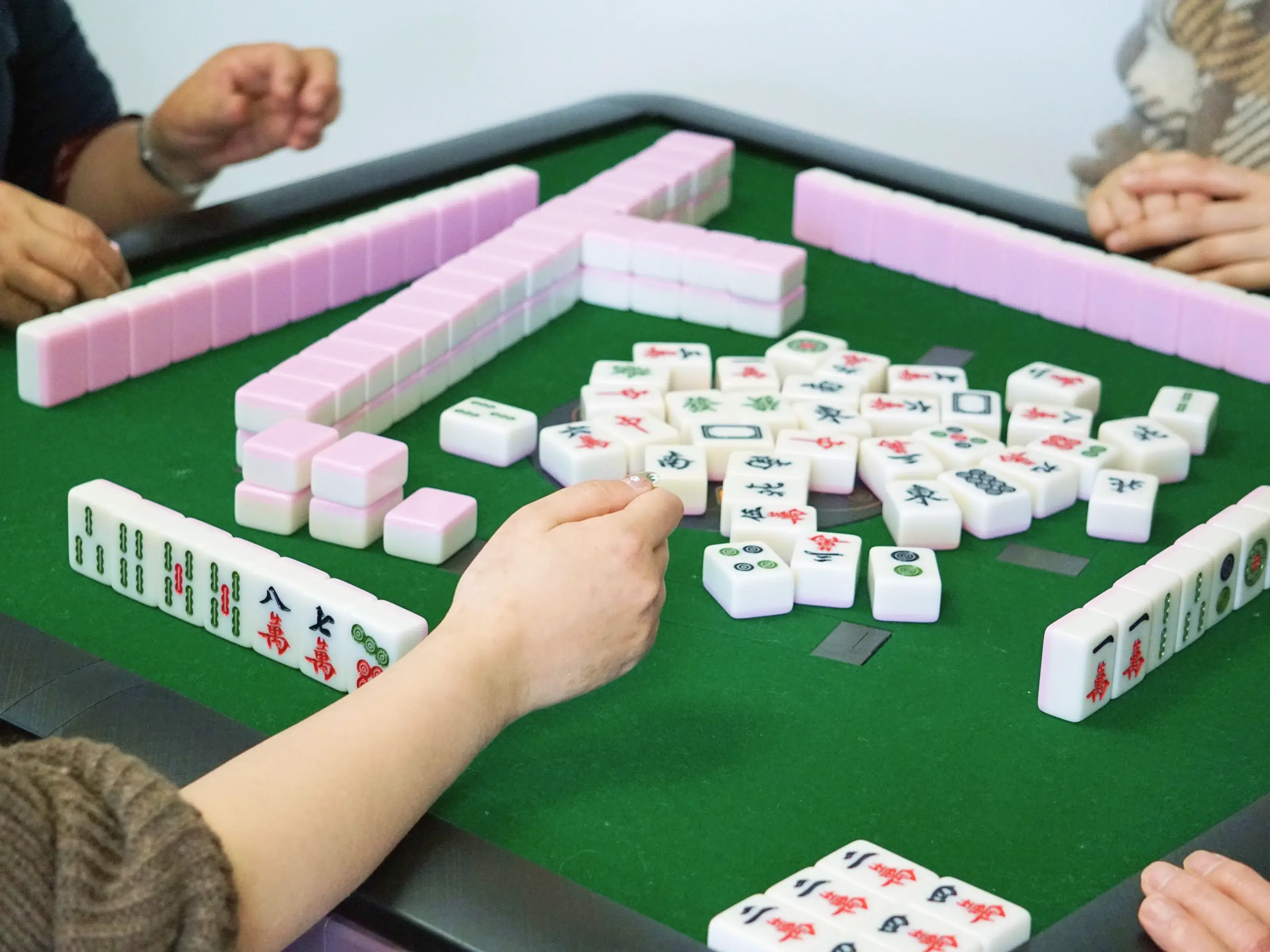
Try out the Mahjong gameplay practices on TheMahjong.com
Playing Mahjong at TheMahjong.com offers not just an interesting and exciting pastime, but also an excellent way to improve cognitive skills. Here, you can refine your logical thinking, planning, and visual perception. We invite you to discover this unique world of Mahjong Solitaire and dive into an exciting adventure at TheMahjong.com!