
DIY Mahjong Table Setup for Small Spaces

Setting up a mahjong table when space is limited can feel like a challenge, especially since traditional tables are often bulky and expensive. A DIY approach gives you flexibility and affordability, letting you create a setup that fits your apartment, small game room, or multi-use space. This guide will walk you through practical options, exact dimensions, and step-by-step setup tailored for small spaces based on real-world testing and player feedback from the TheMahjong.com community.
Assessing Your Space And Goals
Before you commit to a mahjong table, start by measuring the area where you plan to play. Measure the length and width of your available space, and account for clearance around the table so players can sit comfortably—typically 24-30 inches per side. Many players underestimate this clearance space and find themselves uncomfortably squeezed during gameplay.
Key terms to know:
- Playing surface: The flat area where mahjong tiles are arranged and played
- Clearance space: The open area around the table needed for chairs and player movement
Consider the following before choosing your table:
- How often will you play (daily vs. occasional)?
- Does the table need to serve multiple purposes (dining, crafting, gaming)?
- What are your storage limitations (closet space, under-bed, garage)?
- Will you host mahjong parties or play primarily with the same group?
These factors will guide your choice of table type and materials, fitting both your space and your lifestyle. If you're new to mahjong, practicing online at TheMahjong.com can help you understand tile layouts and gameplay mechanics before investing in a physical setup. This approach lets you determine how serious you are about the game before purchasing equipment.
Types Of Mahjong Tables For Small Areas
Not all mahjong tables are created equal, and choosing the right type depends on your space constraints and budget. After testing various setups with players who have limited space, here are the most practical options.
Foldable Mahjong Table
A foldable mahjong table is a collapsible table designed specifically for mahjong, often featuring a padded or felted surface and built-in cup holders or tile racks. These tables typically measure 31-36 inches square when open and fold flat for storage.
Benefits include:
- Space-saving design: Stores in closets or against walls (typically 3-5 inches thick when folded)
- Portability: Easy to move between rooms or take to a friend's house
- Purpose-built features: Many include storage compartments and non-slip surfaces
Price range is $80-$300, making them ideal for dedicated mahjong players who need quick setup and takedown. The main drawback is that lower-priced models (under $100) may have wobbly legs or thin playing surfaces that make tile handling noisier than desired.
Automatic Mahjong Table
An automatic mahjong table is a motorized table that shuffles and deals tiles automatically. These tables are typically 28-33 inches square but come with significant drawbacks for small spaces: they're expensive ($500-$2,000+), space-intensive, and require permanent placement due to weight (often 60-100 pounds). They also need electrical outlets nearby. Consider this option only if you have a permanent gaming area, play daily, and don't need to reclaim the space for other activities.
Portable Mahjong Table
Portable mahjong tables are lightweight options like card tables adapted for mahjong with a mat overlay. Standard card tables (34-36 inches square) work well and offer maximum flexibility at $30-$80. These are budget-friendly, multi-purpose, and lightweight—perfect for occasional play. The trade-off is that basic card tables lack the stability and built-in features of dedicated mahjong tables, so you'll need to invest in a quality playing mat separately (discussed below). Look for tables with locking leg mechanisms to prevent unwanted collapses during gameplay.
Essential Dimensions And Materials
Table Size Basics
The ideal mahjong table size is 31-36 inches square, which accommodates four players comfortably without wasting space. Through player testing, we've found that anything smaller than 31 inches creates cramped conditions where players bump elbows, while tables larger than 36 inches make reaching center tiles difficult for shorter players.
Specific measurements matter for comfort and gameplay:
- Minimum size: 31 x 31 inches (allows tile arrangement but may feel cramped for players with larger hands or American mahjong sets)
- Ideal size: 33-36 inches square (balances comfort and compactness—this is the sweet spot for most players)
- Total space needed: Add 24-30 inches on each side for seating, so a 33-inch table requires about 81-96 inches (roughly 7-8 feet) of total floor space
Ideal Surface And Mat Options
The playing surface affects tile handling and noise significantly. A playing mat is a cushioned fabric or felt overlay that reduces tile noise and prevents sliding. Players consistently report that mats with 2-3mm thickness provide the best balance between cushioning and tile stability.
Recommended materials:
- Felt or velvet mats: Soft, quiet, and tile-friendly ($15-$40)—best for reducing tile clatter but may pill over time with heavy use
- Neoprene mats: Durable, washable, and non-slip ($20-$50)—resists wear better than felt and cleans easily with a damp cloth
- DIY tablecloth option: Use a thick fleece or flannel blanket for under $10—acceptable for occasional play, but tends to bunch up during tile placement
Mats should be 2-3 inches smaller than the table surface to avoid overhang, which can cause tiles to catch on edges. A common mistake is purchasing a mat that's too large, which creates wrinkles and uneven playing surfaces.
DIY Folding Table Setup Steps
This step-by-step guide will help you create a functional mahjong table using readily available materials. This approach costs $50-$100 total and takes 1-2 hours. We've walked dozens of players through this process, and these steps address the most common setup challenges.
Measure Your Space
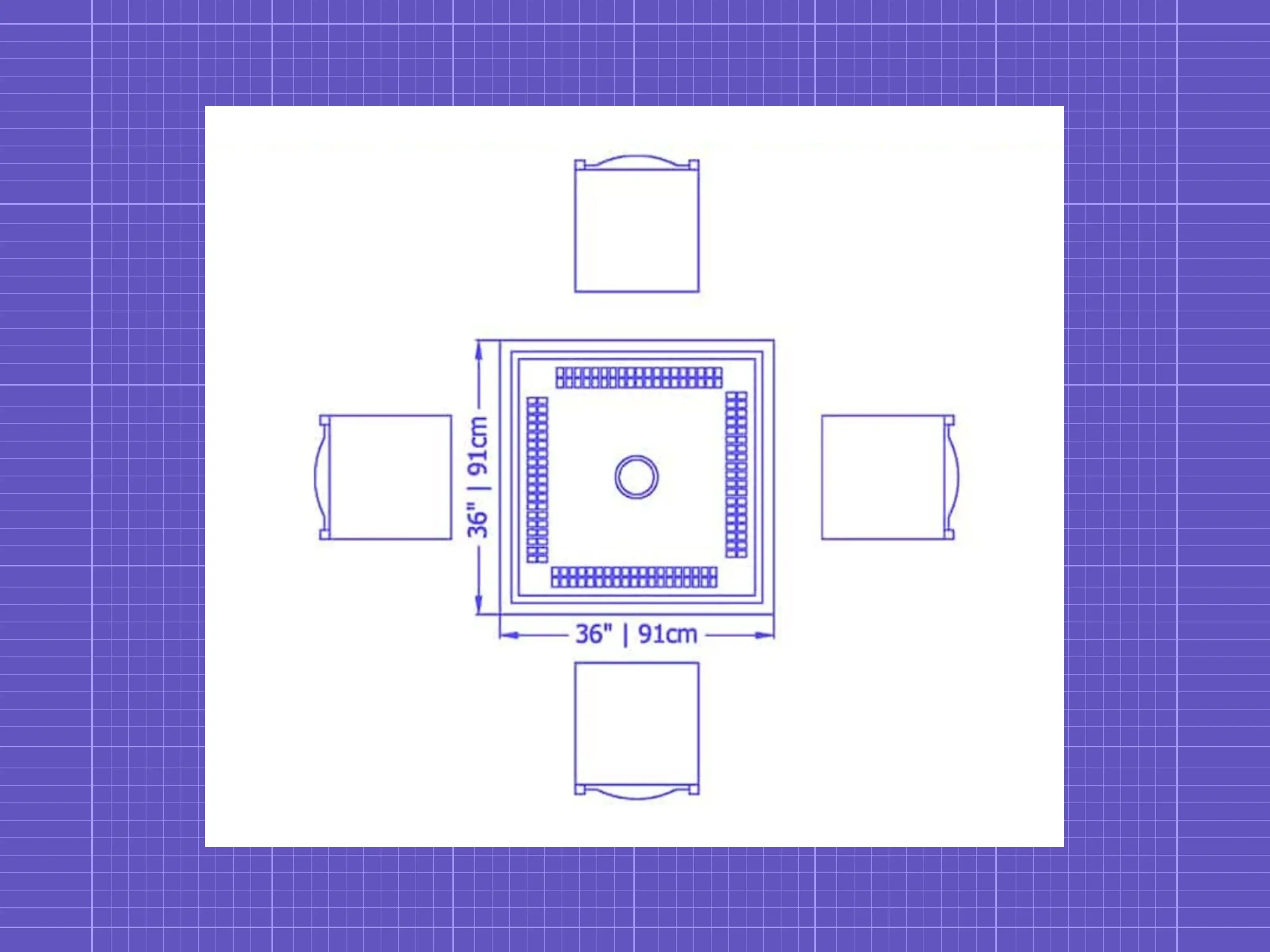
Measure the area where you'll set up the table, allowing at least 7-8 feet of clearance in both directions. Mark the spot with painter's tape to visualize the footprint. Test this by placing four chairs in position—you'll quickly discover if the space feels cramped. Account for doors that swing into the area and walking paths through the room.
Source Your Materials
Get a folding card table (34-36 inches square, $30-$60), a playing mat (felt or neoprene, 31-33 inches square, $15-$40), and optional accessories like tile racks or cup holders ($10-$30). When selecting a card table, physically test the leg locks before purchasing—press down firmly on the corners to verify stability. Avoid tables with hollow legs, as they tend to wobble during gameplay.
Assemble and Secure The Frame
Unfold the card table and lock the legs in place. Check stability by pressing down on each corner with moderate force—the table should not rock or shift. Use furniture pads under short legs to level the table if needed. Many players discover their floors are uneven only after setup. A wobbling table leads to tile spills and frustrating gameplay. Optionally, secure the mat with double-sided tape or corner clips to prevent shifting during play. Skip velcro attachments, as they can damage certain table surfaces.
Add The Playing Surface
Center the playing mat on the table, leaving even borders on all sides. The mat should lie flat without wrinkles. If the mat has been rolled or folded, let it rest flat for several hours before use—or gently iron it on low heat after checking material guidelines. Test the surface by arranging a few tiles to verify they don't slide or catch on seams. Tiles should make a soft, muted sound when placed, not a sharp click.
Budget-Friendly Ideas And Cost Guidelines
A DIY mahjong table setup can cost as little as $50 if you use materials you already own. Based on setups we've seen from players, here's what you can expect to spend:
Cost breakdown:
- Basic setup: Folding table ($30-$40) + DIY mat ($10-$15) = $40-$55 (suitable for occasional play)
- Mid-range setup: Quality folding table ($50-$60) + neoprene mat ($25-$35) = $75-$95 (best value for regular players)
- Enhanced setup: Foldable mahjong table ($100-$150) with built-in features (worth it if you play weekly or host games)
Money-saving tips include using a thick blanket instead of a purchased mat (though this compromises tile handling), checking thrift stores for used card tables (inspect leg mechanisms carefully), and borrowing a table for occasional play. Investing in a quality mat ($30-$40) is worthwhile even with a budget table, as it significantly improves the playing experience. Players consistently report that the mat makes more difference than the table itself for gameplay satisfaction.
One cost-saving mistake to avoid: purchasing cheap, thin mats under $10. These tend to slip during gameplay and provide minimal noise reduction, leading to player frustration and eventual replacement.
Storage And Organization Tips
Storage is often the biggest challenge in small apartments or multi-use rooms. Players frequently struggle with tile organization more than table storage.
Tile And Accessory Storage
Mahjong sets include 144+ tiles plus racks, dice, and score cards. The tiles themselves are the most important items to protect—chipped or damaged tiles affect gameplay. Store tiles in their original box (which usually includes foam dividers), tackle boxes with adjustable compartments ($10-$20), or zippered pouches ($5-$15) near the playing area for easy access. Keep the set in a consistent location so setup becomes routine rather than a scavenger hunt.
Avoid storing tiles loose in drawers or bags without dividers, as they can chip when they collide with each other. Players who switch between sets or have multiple versions should label each storage container clearly to avoid mixing tiles from different sets.
Folding And Stowing The Table
For storing a folding table in small spaces, lean the folded table against a wall in a closet or behind a door (most folded tables are 3-5 inches thick), slide it under a bed if clearance allows, or hang it on wall hooks in a garage or utility room. The most space-efficient solution we've seen is vertical storage behind a bedroom or closet door using over-the-door hooks.
Roll the mat and secure it with a rubber band to keep it compact and wrinkle-free. Never fold a neoprene or felt mat along the same crease repeatedly, as this creates permanent lines that affect tile placement. Some players store their mats flat on top of a wardrobe or bookshelf to prevent creasing entirely.
Complete Your Mahjong Experience
Setting up a mahjong table in a small space is achievable with the right approach—measure carefully, choose a foldable or portable table based on your play frequency, and invest in a quality playing mat that matches your budget. A DIY setup offers flexibility and affordability, and you can upgrade components as your commitment to the game grows.
Once your table is set up, you'll want to practice your skills and explore different strategies. Play Mahjong online for free at TheMahjong.com to sharpen your pattern recognition and tile-matching abilities with over 200 unique layouts. The online version provides excellent practice for understanding tile combinations and visual recognition that translates perfectly to physical gameplay.
Looking to make your physical mahjong sessions more memorable? Check out our guide on creative ways to personalize your mahjong game for custom tile ideas and unique gameplay variations, or explore our mahjong party planning tips for hosting gatherings around your new table setup. Many players find that combining online practice with physical gameplay helps them improve faster while building a social community around the game.
FAQs About Mahjong Tables
What Is The Difference Between American And Chinese Mahjong Table Sizing?
American mahjong tables are typically slightly larger than Chinese mahjong tables due to the larger tile sets used in American gameplay. American mahjong uses 152 tiles (including jokers), while Chinese mahjong uses 144 tiles. As a result, American tables often measure 34-36 inches square, while Chinese tables can be as small as 31-33 inches square. The playing surface needs to accommodate not just the tiles but also the racks—American racks are longer to hold more tiles during gameplay. If you play both styles, opt for a 34-36 inch table that comfortably handles either version. Players who exclusively play Chinese mahjong can save space with a smaller 31-33-inch table.
How Often Should You Replace Your Mahjong Table Mat?
Replace your mahjong mat when you notice significant wear that affects gameplay—typically every 1-3 years, depending on play frequency and mat quality. Signs it's time for replacement include visible pilling or thinning (especially in the center where tiles are shuffled most), permanent creases or wrinkles that won't flatten, loss of cushioning that makes tile placement noisier, or stains that don't clean with gentle washing. Neoprene mats generally last longer than felt mats, often reaching 2-3 years with weekly play, while budget felt mats may show wear after 6-12 months of regular use. To extend mat life, rotate it 90 degrees every few months to distribute wear evenly, store it rolled rather than folded, and spot-clean spills immediately rather than waiting for deep cleaning sessions.
Other Mahjong News
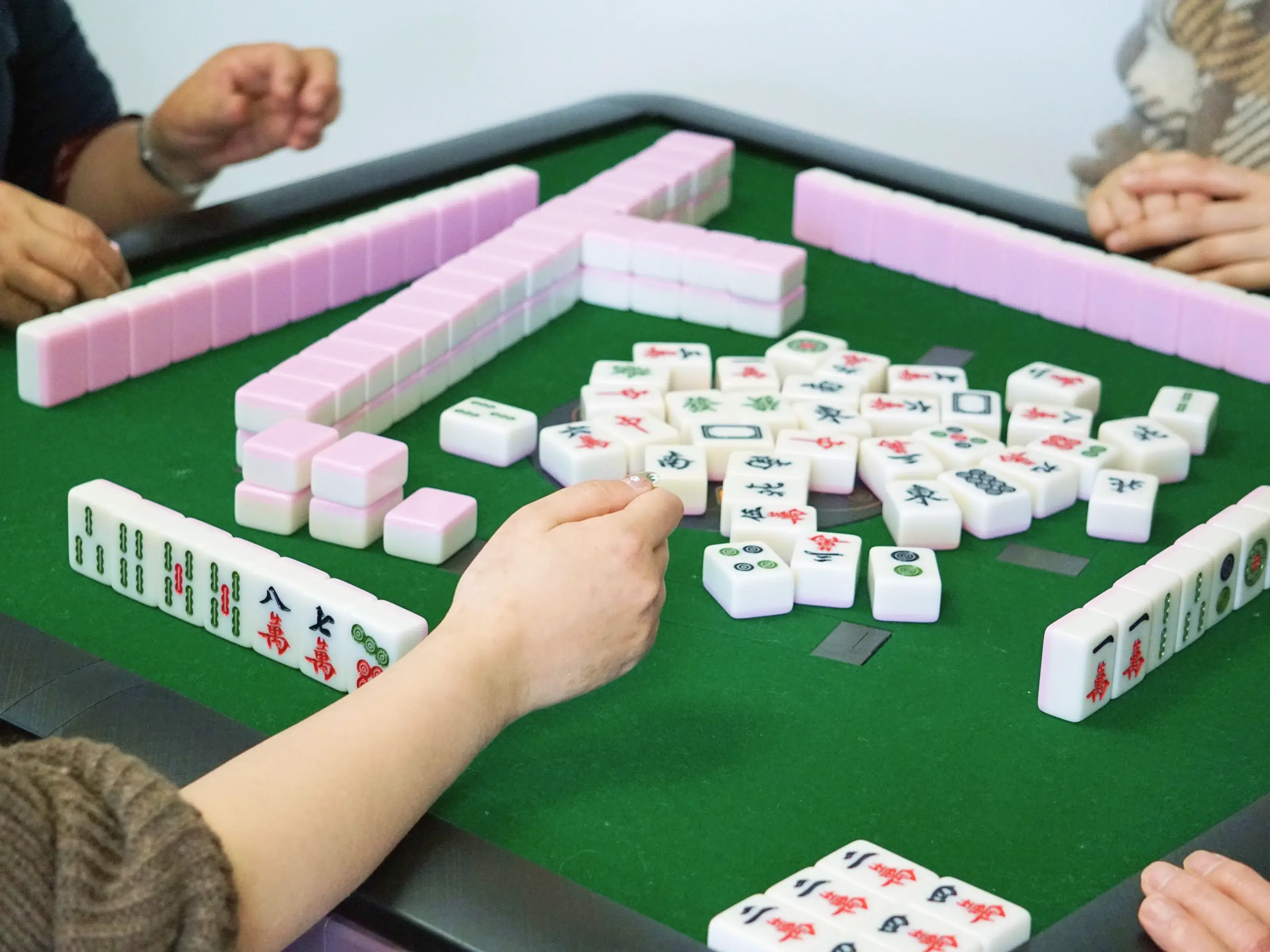
Try out the Mahjong gameplay practices on TheMahjong.com
Playing Mahjong at TheMahjong.com offers not just an interesting and exciting pastime, but also an excellent way to improve cognitive skills. Here, you can refine your logical thinking, planning, and visual perception. We invite you to discover this unique world of Mahjong Solitaire and dive into an exciting adventure at TheMahjong.com!