
The Complete History of Mahjong Through the Ages

Mahjong's journey from 19th century China to global popularity represents one of gaming's most fascinating cultural migrations. This tile-based game has captivated players for generations with its perfect balance of strategy, skill, and social interaction. Historical records and archaeological evidence trace Mahjong's development, offering insights into how this game evolved while maintaining its core appeal across cultures and centuries.
Where Mahjong Began
Mahjong originated in mid-19th century China during the Qing Dynasty, specifically around the 1850s. According to historical documentation and game historians, the earliest verifiable references appear in Chinese texts from this period. While many romantic tales attribute the game's creation to Confucius or ancient dynasties, scholarly consensus firmly places its development in the 19th century. The earliest documented versions appeared in regions around Shanghai, Ningpo, and other eastern coastal areas of China.
Card games like "ma diao" and "ya pai" that existed before this period likely influenced Mahjong's development, but the game with its distinctive tiles and gameplay elements crystallized during this relatively recent historical period. Historical records show the game quickly spread throughout China, evolving into various regional forms.
Legends and Myths Around Mahjong
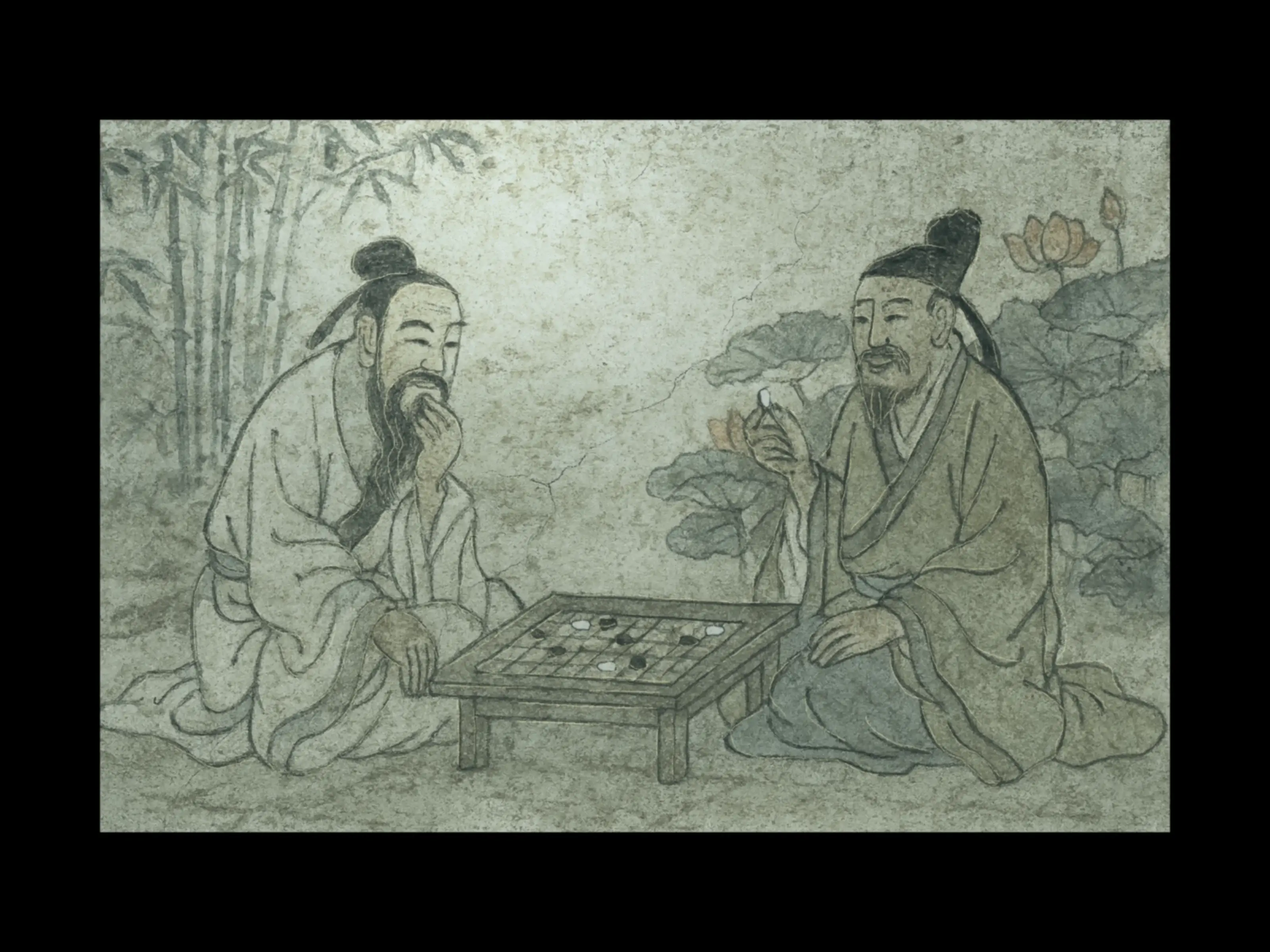
Despite its documented 19th-century origins, Mahjong has accumulated numerous unverified myths regarding its creation:
- Confucian Connection: A popular but historically unfounded myth claims Confucius created the game around 500 BCE, with the three dragons representing his three cardinal virtues.
- Ancient Origins Claims: Various tales attribute Mahjong to different Chinese dynasties, some placing its creation thousands of years ago, though no archaeological evidence supports these claims.
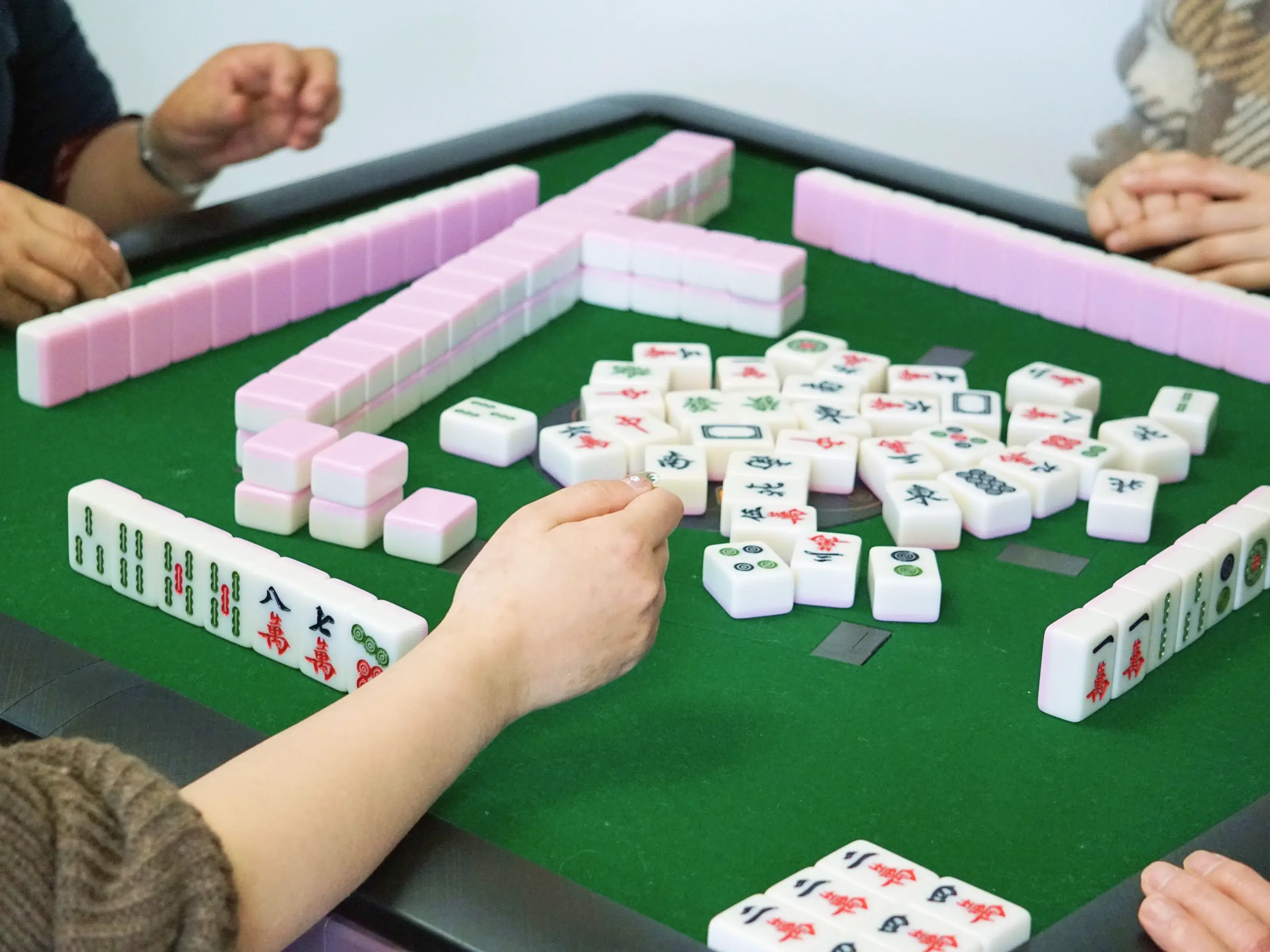
- Symbolic Interpretations: Many believe the game's elements symbolize deep philosophical concepts. The four players represent the four cardinal directions, while the 144 tiles represent days of the year.
Game historians distinguish between these appealing myths and the factual record, noting that such legends often develop around culturally significant games to elevate their status.
How Mahjong Spread Across China
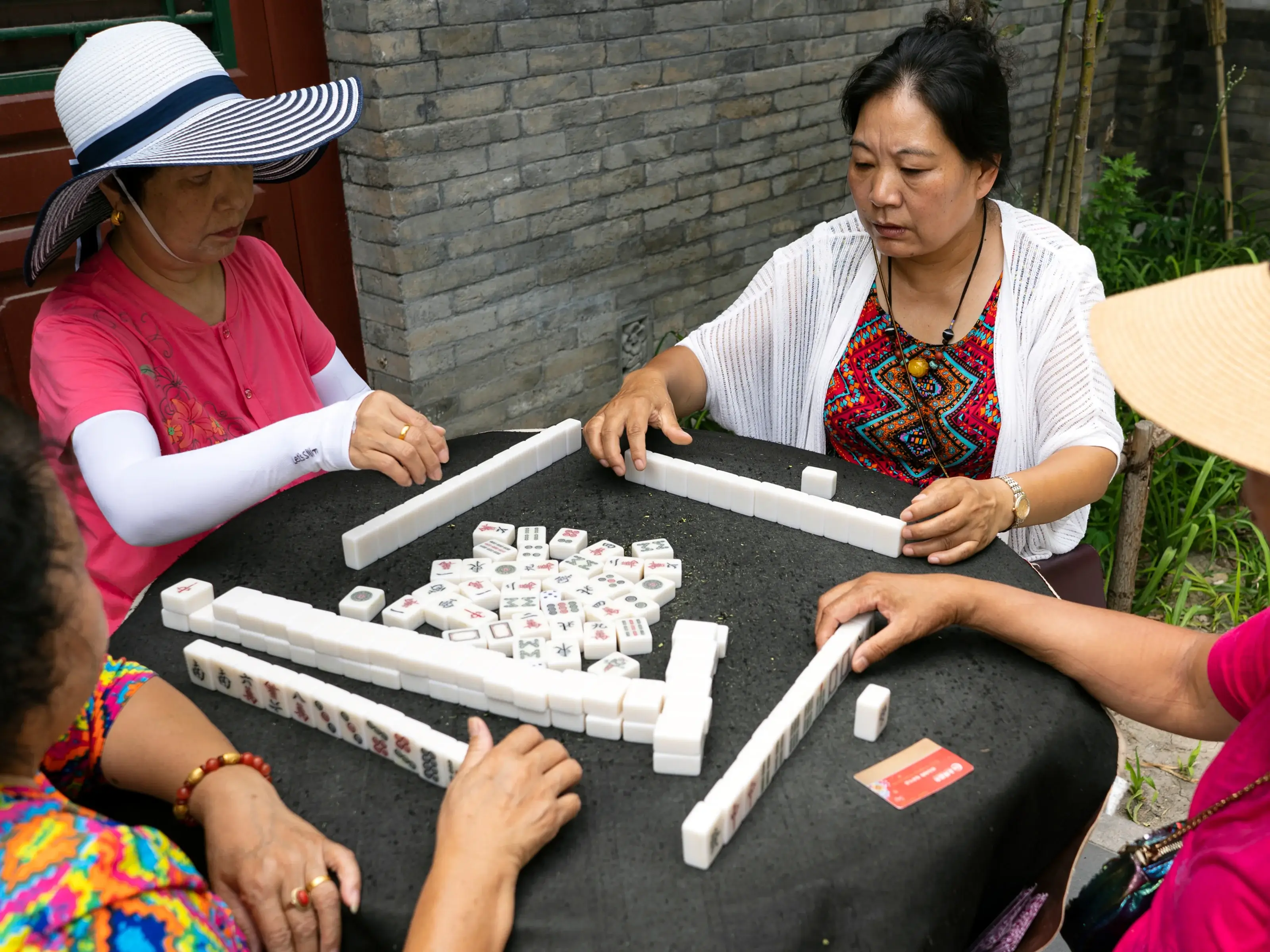
After its initial development, Mahjong rapidly spread throughout China, as documented in contemporary accounts:
- Historical records show initial popularity among urban elites in eastern coastal cities
- Travel journals and personal accounts describe merchants and travelers carrying the game along trade routes
- Chinese social histories note how gambling culture in China contributed significantly to its popularity
- Regional game manuals from the late 19th century demonstrate how distinct rules developed in different provinces
Historians trace how by the early 20th century, Mahjong had established itself as China's national game, with variations reflecting local customs and preferences.
Evolution Of Mahjong Tiles
Materials In Early Sets
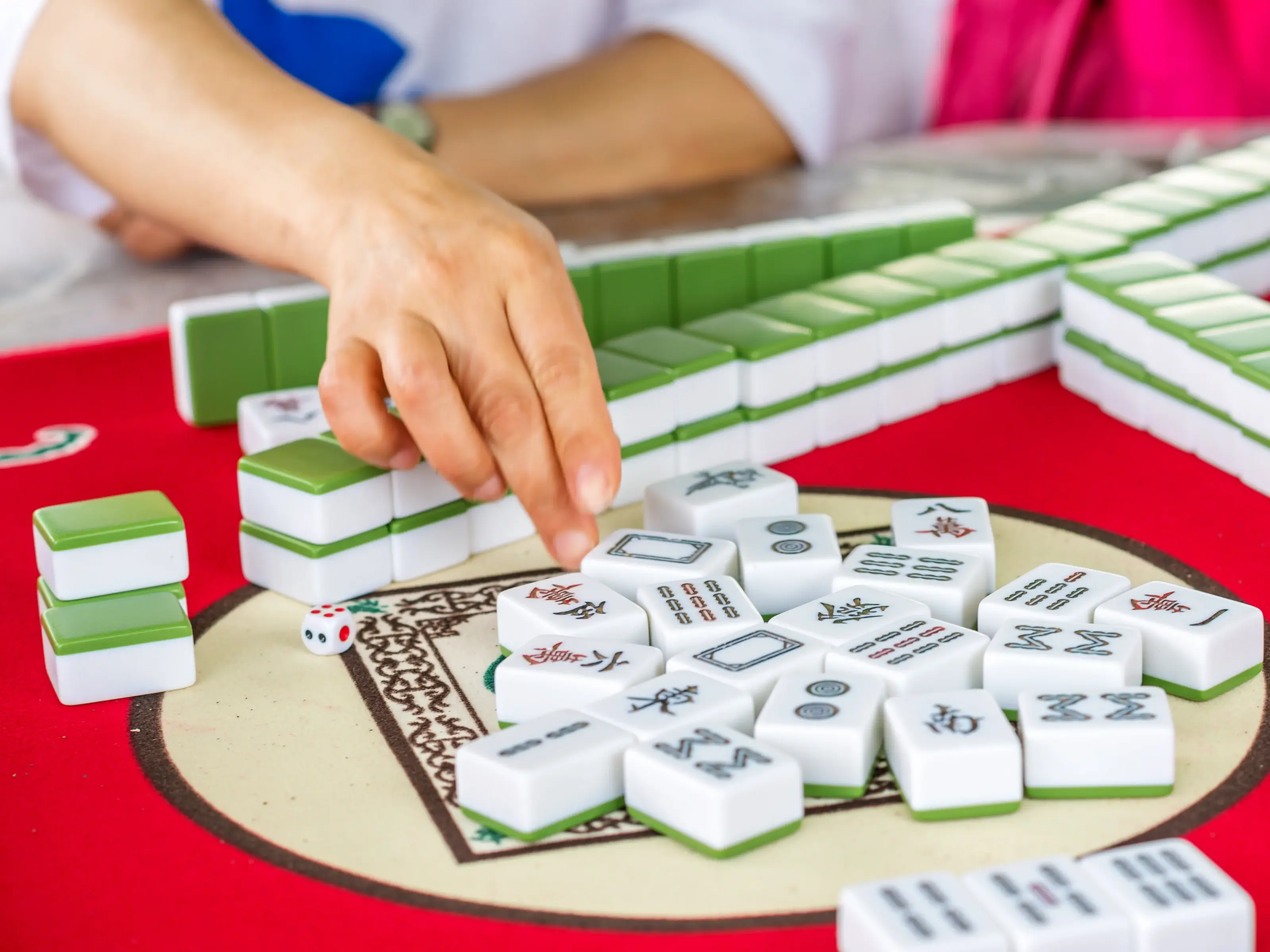
Museum collections and historical artifacts show that early Mahjong sets were crafted from premium materials including bamboo, bone, and occasionally ivory for wealthy players. Antique sets preserved in collections demonstrate how skilled artisans hand-carved each tile, making early sets valuable art objects. Manufacturing records document how production methods evolved from entirely handcrafted to semi-mechanized as demand increased. Trade catalogs from the early 20th century show how modern manufacturing eventually introduced plastics and resins, making the game more accessible.
Iconic Symbols In Different Regions
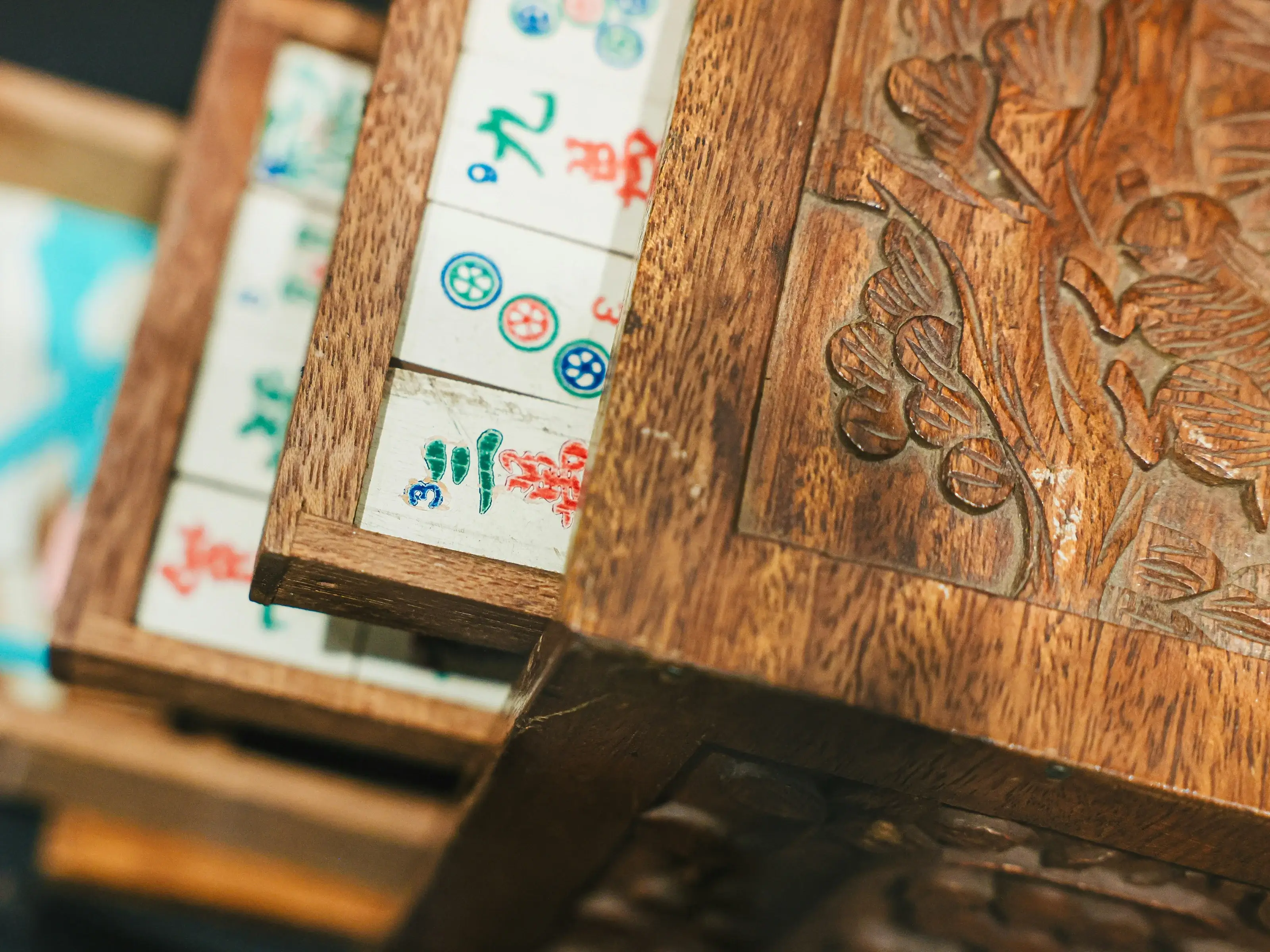
Cultural historians have documented how Mahjong tiles feature symbolism connected to Chinese cosmology and culture:
- Character Tiles: Representing numbers in traditional Chinese script, reflecting literary traditions
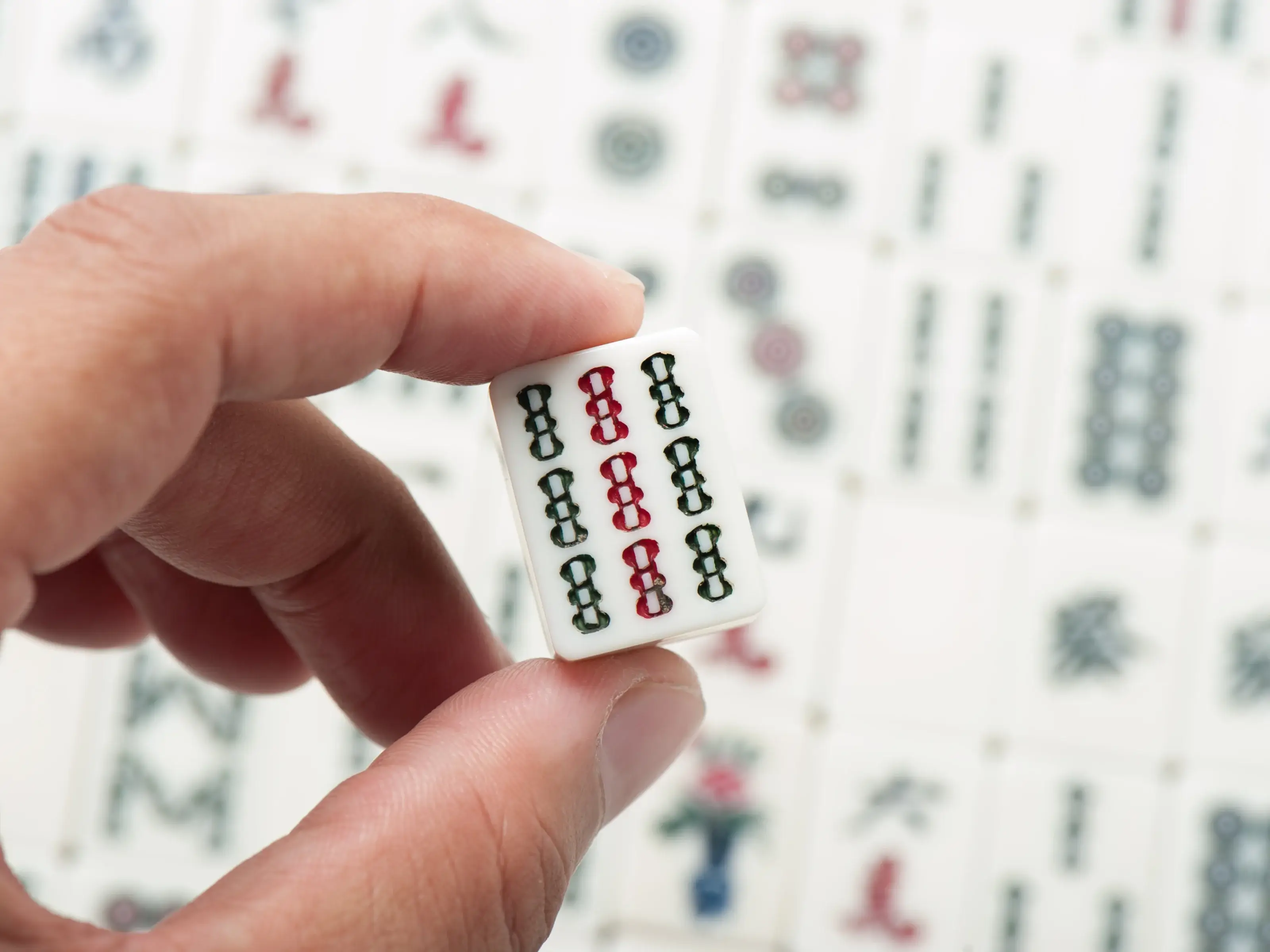
- Bamboo Tiles: Originally representing strings of coins in ancient Chinese monetary systems
- Circle Tiles: Depicting coin values in ancient Chinese currency, with historical significance
- Wind Tiles: Representing the four directions (East, South, West, North) from Chinese cosmology
- Dragon Tiles: Representing the three dragons (red, green, white) with traditional symbolic meanings
- Flower and Season Tiles: Bonus tiles featuring cultural imagery with connections to Chinese poetry and art
Major Regional Styles
Game historians have documented how different regions developed their own distinctive Mahjong variants:
Chinese Official
The standardization of Mahjong rules in China came in 1998 when the China State Sports Commission established official tournament rules, as documented in their published regulations. This version eliminated gambling elements to position Mahjong as a competitive sport and standardized scoring to emphasize skill over luck.
Japanese Riichi
Japanese Mahjong, as described in Japanese gaming publications, developed after the game arrived in Japan in the early 1900s. Historical accounts show it introduced the riichi betting declaration when a player is one tile away from winning and developed a complex scoring pattern system that rewards specific hand compositions.
American Mahjong
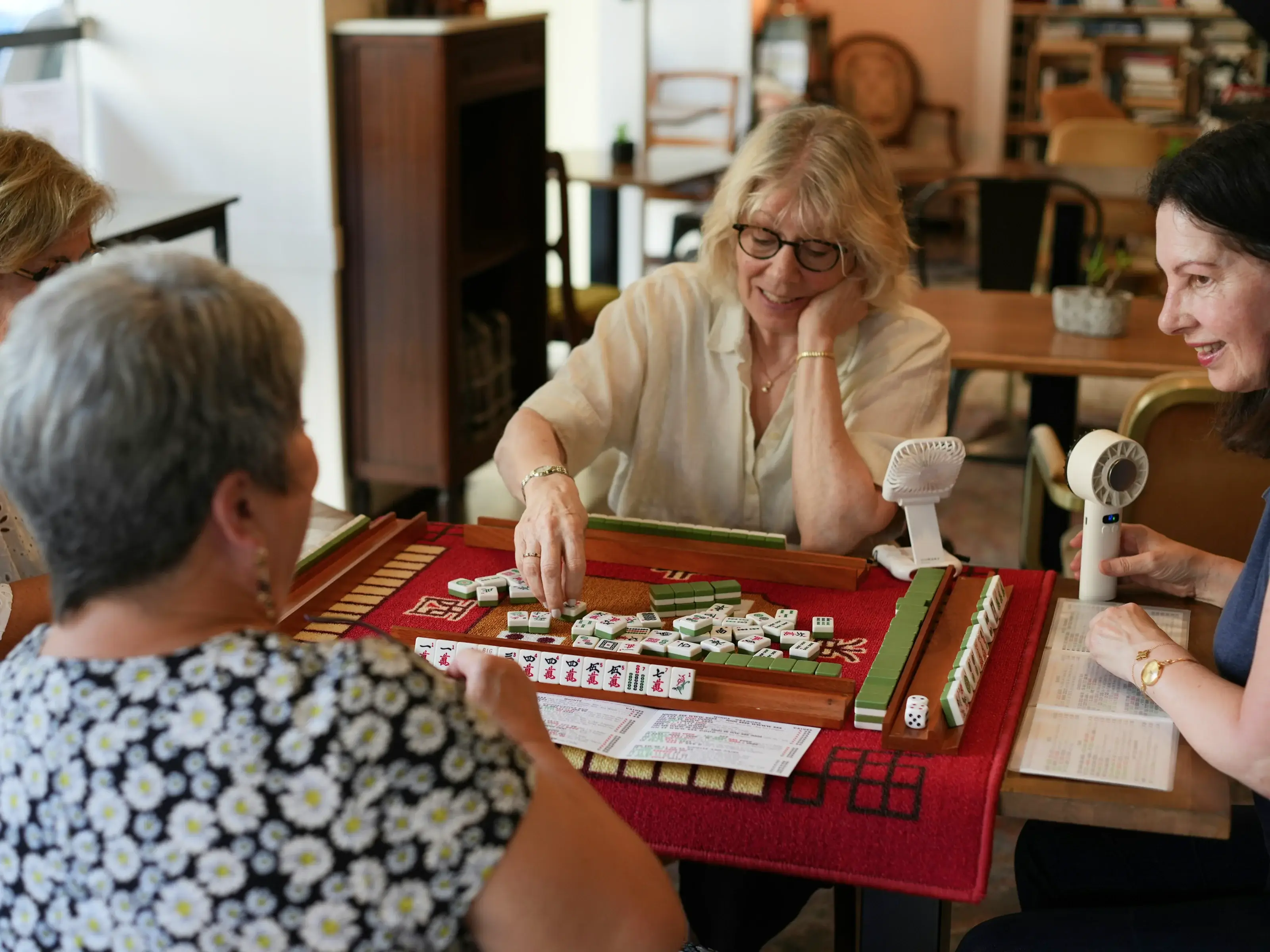
The American variant evolved significantly from its Chinese roots, as documented by the National Mah Jongg League archives. Joseph Babcock introduced a simplified version to American audiences in 1920s publications, and the National Mah Jongg League, founded in 1937, standardized American rules. Contemporary accounts describe how this variant uses jokers and follows an annual card of standard patterns.
Arrival In The West
Historical records show that Joseph Babcock, an American resident in Shanghai, created a simplified ruleset for Americans in 1920, published in his influential guide. His "red book" of Mahjong rules became the standard reference for Western players, as evidenced by its multiple printings and widespread distribution. Newspaper accounts and social histories from the 1920s describe an unprecedented Mahjong boom in America, perfectly matching the era's fascination with exotic entertainment.
Trade catalogs and advertisements from the period show department stores sold luxury Mahjong sets at premium prices, and social pages in newspapers document how Mahjong parties became fashionable events among the American middle and upper classes.
Mahjong In Modern Times
Contemporary gaming publications document how Mahjong continues to evolve in the 21st century. Traditional Chinese variants have experienced renewed interest among younger generations, as shown in participation statistics from tournaments and clubs. International competitions attract players worldwide, demonstrating the game's continued global appeal.
Online Mahjong And Digital Platforms
Computer gaming histories trace how the digital revolution transformed Mahjong access. Early computer adaptations appeared in the 1980s, introducing tile-matching solitaire variants that differ from traditional Mahjong while maintaining the visual elements.
TheMahjong.com offers free access to Mahjong Solitaire games that faithfully reproduce the visual appeal of traditional tiles while providing a strategic challenge. Our digital adaptation preserves the aesthetic and contemplative aspects of the traditional game while offering a single-player experience accessible to players of all experience levels.
Cultural Impact and Community
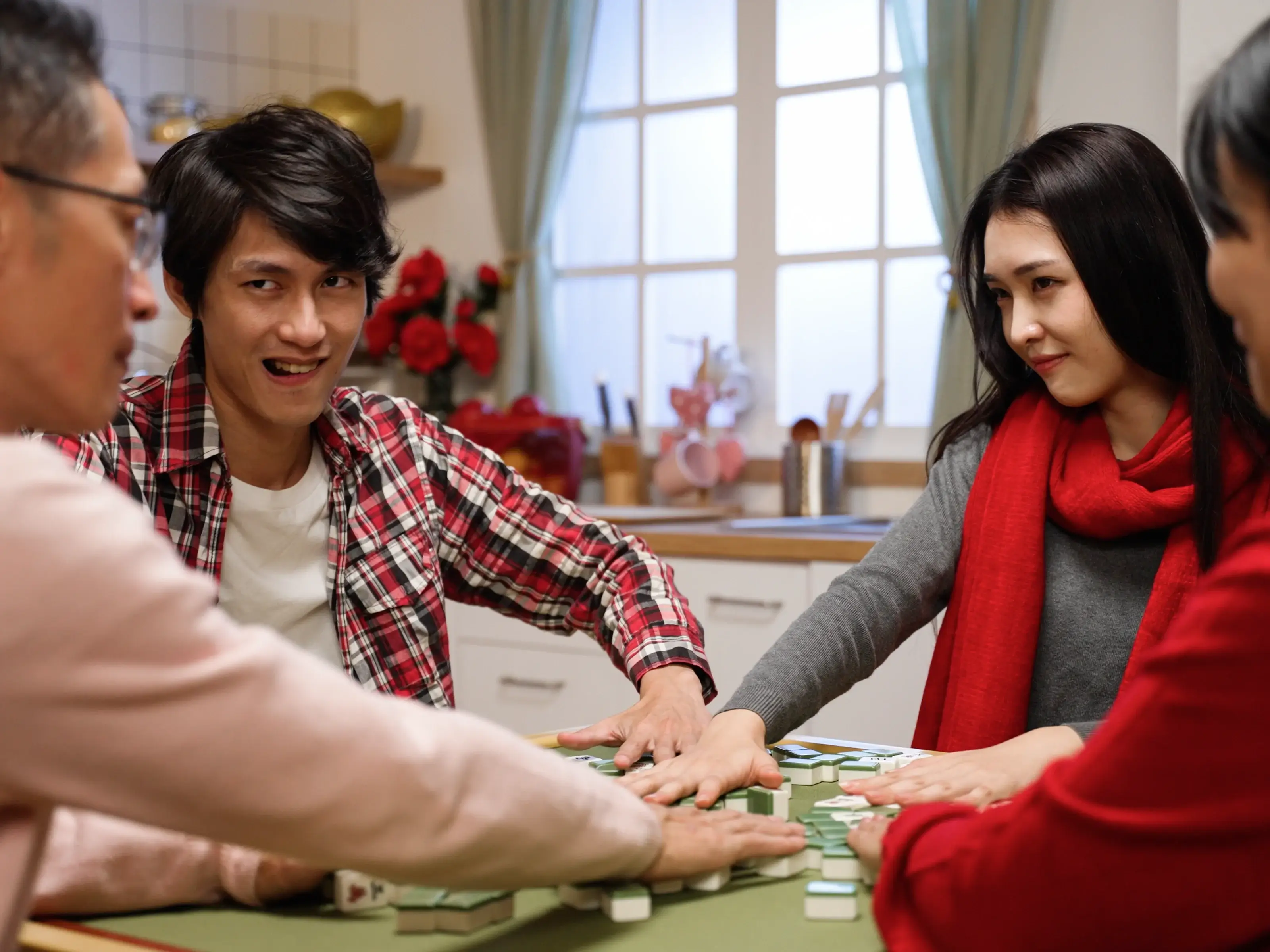
Sociological studies have documented how Mahjong serves important cultural and community functions beyond entertainment. The game preserves traditional gaming culture across generations and geographical boundaries, as documented in community studies and oral histories. Research on gaming communities shows how Mahjong creates social bonds through regular gathering and shared experience. Studies of diaspora communities reveal how Mahjong maintains connections to cultural heritage.
The cognitive benefits of Mahjong have been examined in several research contexts, with studies suggesting the game exercises memory, pattern recognition, and strategic thinking skills.
Experience this historically rich tradition by playing traditional Mahjong Solitaire for free at TheMahjong.com. Our version offers the visual elegance of traditional tiles with gameplay that captures the strategic elements that have made Mahjong engaging for generations. Whether you're drawn to the game's documented history, its mental challenge, or simply its aesthetic appeal, Mahjong connects players to a gaming tradition that continues to thrive across cultures and generations.
FAQs About Mahjong History
How did Mahjong become popular in Jewish American communities?
Historical accounts and community studies show that Mahjong became popular among Jewish American women in the 1930s as a social activity that fostered community bonds. The National Mah Jongg League, founded by Jewish women in 1937, helped standardize American rules and establish the game as a cultural tradition that continues today. Try a modern version of this historically rich game at TheMahjong.com.
Do neurologists recommend playing mahjong?
Research studies suggest that Mahjong may benefit brain health by engaging memory, pattern recognition, and strategic thinking. The game's combination of social interaction and mental challenge appears particularly valuable for cognitive maintenance according to several published studies. Experience these benefits with our traditional Mahjong Solitaire.
What is the secret to mahjong?
Game experts and championship players note that mastery in Mahjong requires balancing defensive and offensive play while developing pattern recognition skills. Historical manuals and modern strategy guides emphasize how successful players learn to read the game state, anticipate opponents' needs, and maintain flexibility in their strategy as the game progresses.
What is the 1-4-7 rule in mahjong?
The 1-4-7 rule is a strategic principle documented in Japanese Riichi Mahjong strategy guides, suggesting that tiles numbered 1, 4, and 7 in any suit are more versatile for building hands. These tiles can form both sequential runs (1-2-3, 4-5-6, 7-8-9) and number-based combinations, making them particularly valuable to keep according to competitive players and strategy analyses.
Other Mahjong News
Try out the Mahjong gameplay practices on TheMahjong.com
Playing Mahjong at TheMahjong.com offers not just an interesting and exciting pastime, but also an excellent way to improve cognitive skills. Here, you can refine your logical thinking, planning, and visual perception. We invite you to discover this unique world of Mahjong Solitaire and dive into an exciting adventure at TheMahjong.com!