
How to Choose the Right Mahjong Set
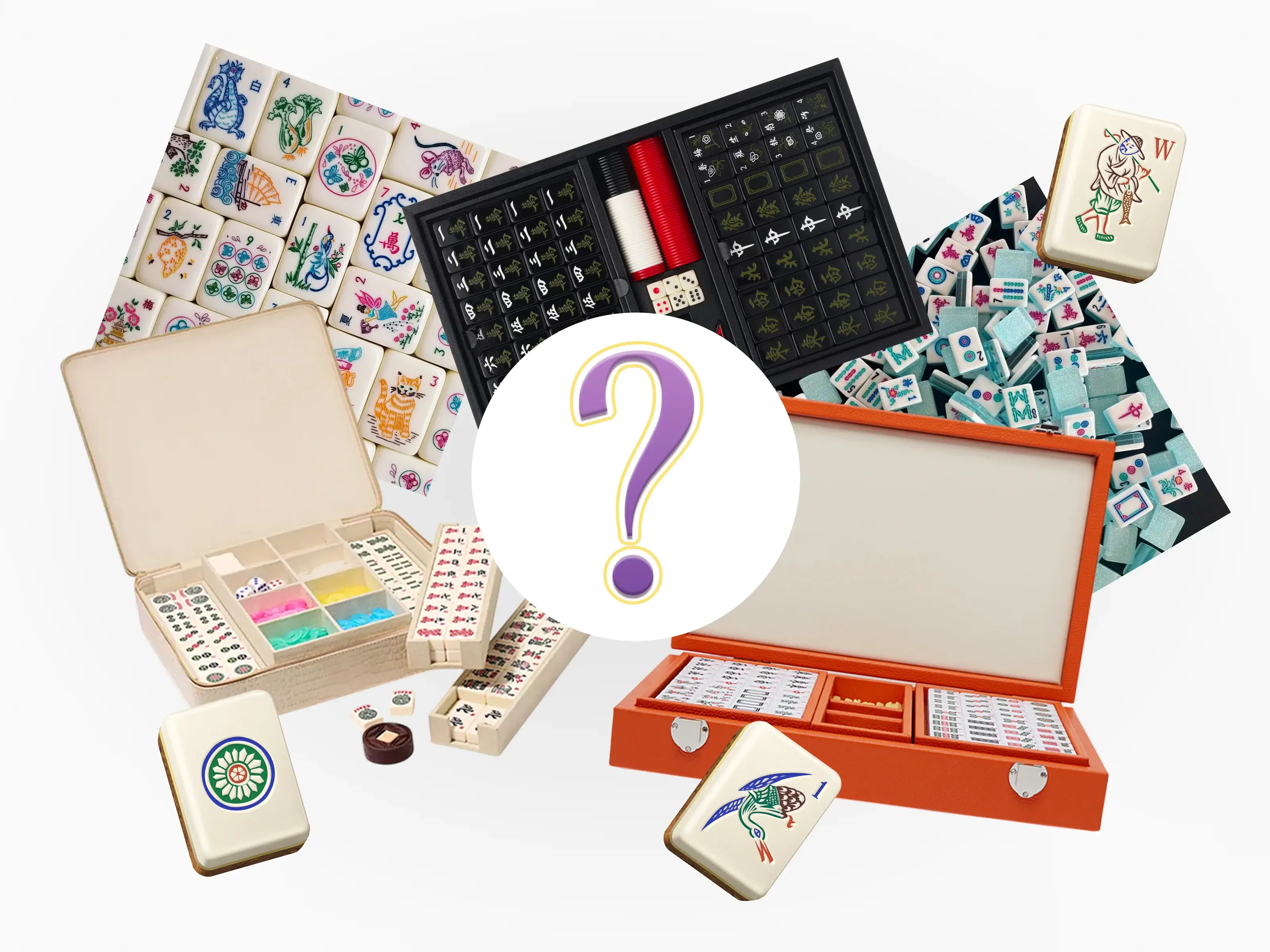
Selecting the right mahjong set starts with understanding your playing needs and preferences. A mahjong set is a collection of tiles, racks, and accessories used to play the traditional Chinese tile-based game. Sets differ by regional style, material quality, and price, so knowing what to look for helps you get the best fit for your gameplay style.
Understanding Mahjong Tiles
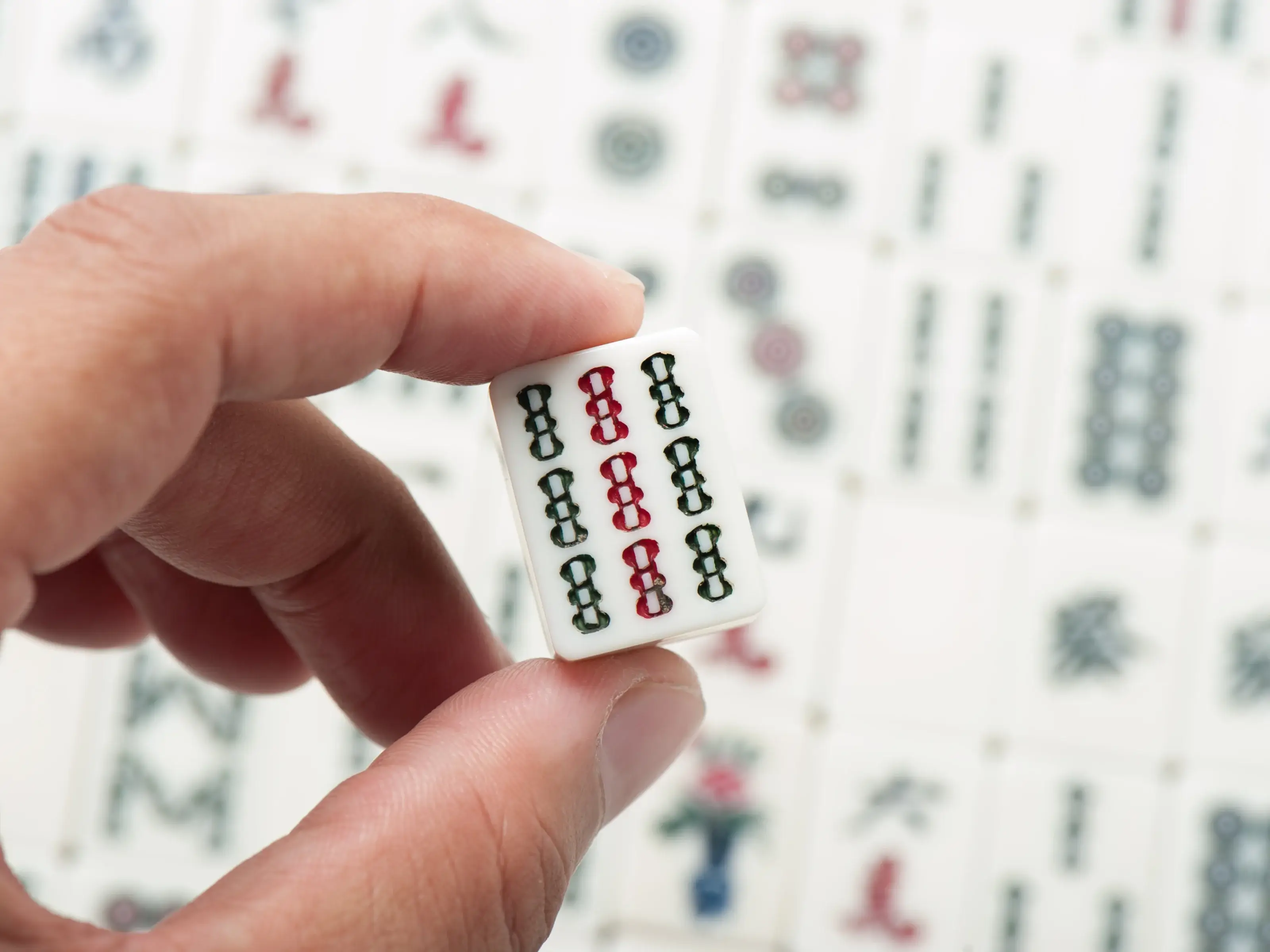
Mahjong tiles are the core component of any set, forming the foundation of gameplay. A standard set contains between 136 and 152 tiles, depending on the regional variation. The three main suits are Bamboos (also called Sticks), Characters (also called Wan), and Dots (also called Circles). Each suit is numbered from one to nine, with four identical tiles for each number.
Honor tiles add another layer of strategy and include four Wind tiles (East, South, West, North) and three Dragon tiles (Red, Green, White), with four of each. Many traditional Chinese sets also include bonus tiles, such as Flowers and Seasons, totaling eight additional tiles.
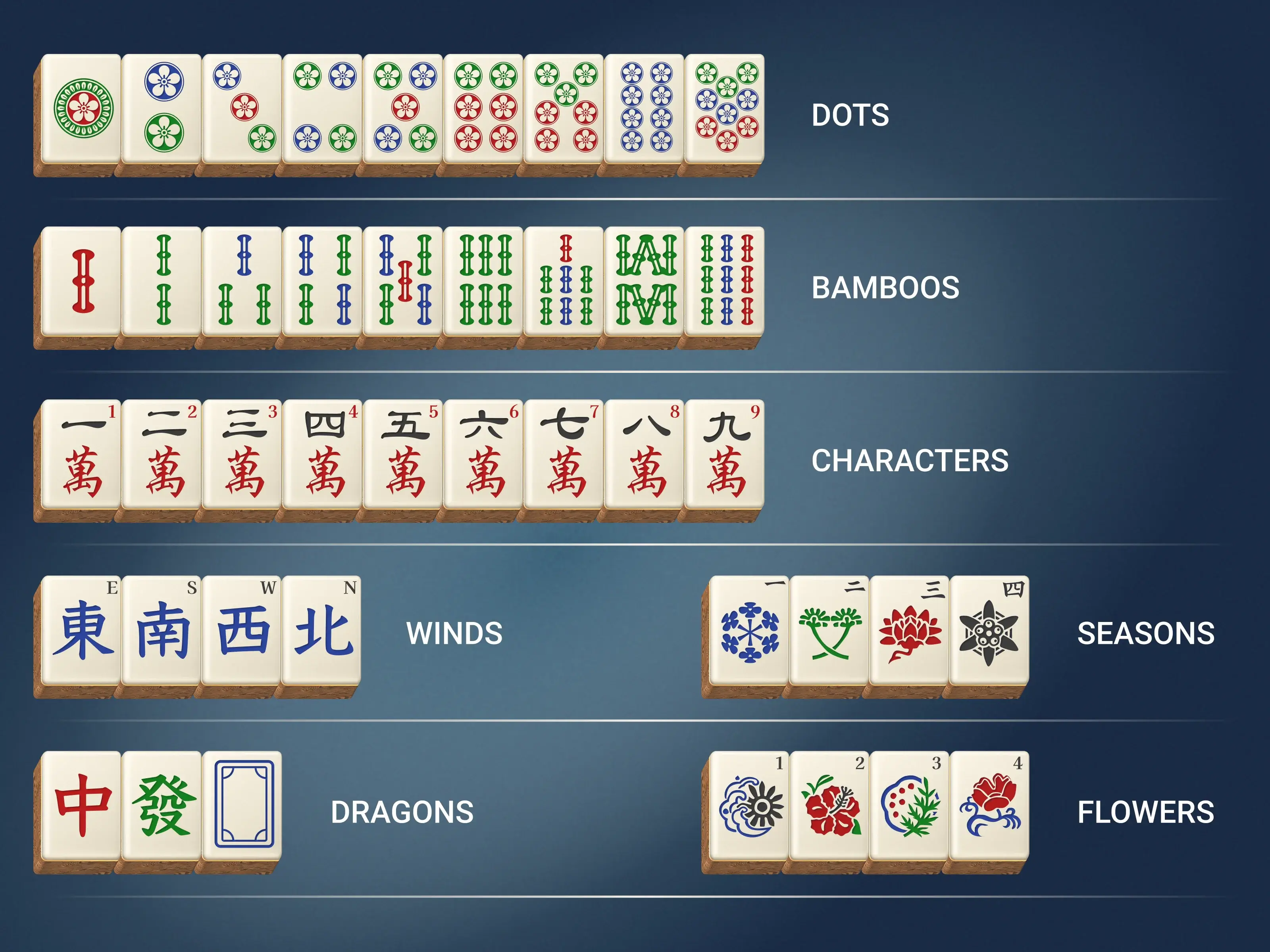
Here's a breakdown of the tile categories:
- Suited tiles: 108 tiles across Bamboos, Characters, and Dots (numbered 1-9, four of each)
- Honor tiles: 28 tiles including Winds and Dragons (four of each)
- Bonus tiles: Eight optional Flower and Season tiles in traditional Chinese sets
Understanding the composition and function of each tile type helps you choose a set that matches your preferred rules and playing style. Before purchasing a physical set, check that all tiles are included—missing even one tile can disrupt gameplay. If you're new to recognizing these tiles, practicing tile identification through online platforms like our free Mahjong Solitaire game can help you become familiar with the different symbols and suits before investing in a physical set.
Comparing Regional Variations
Mahjong rules and set contents differ by region, so choosing a set that matches the version you want to play matters. The three most common variations are American, Chinese, and Japanese Riichi Mahjong, and they are not interchangeable without some adaptation.
American Mahjong
American Mahjong sets contain 152 tiles, including eight Joker tiles (wild cards) and eight Flower tiles. The tiles are typically thinner (around 30mm tall) and designed to fit in wooden or plastic racks rather than stand upright on the table. This version is popular in the United States and features unique rules with an official card published annually by the National Mah Jongg League that defines valid hands. If you play American Mahjong, you'll need this specific tile count. Using a 144-tile Chinese set for American Mahjong means you won't have the Jokers required for proper gameplay.
Chinese Mahjong
Chinese Mahjong is the traditional version, featuring 144 tiles, including eight Flower and Season tiles. Tiles are typically larger and self-standing, with designs that showcase Chinese characters and symbols. While there are multiple regional rule sets (such as Hong Kong, Cantonese, and Taiwanese), the tile composition remains consistent across these variations. Chinese sets work well for social play, where house rules can vary from game to game.
Japanese Riichi Mahjong
Japanese Riichi Mahjong uses 136 tiles, omitting Flowers and Seasons, and is known for its fast-paced, competitive gameplay. Japanese tiles are smaller (typically 26-28mm tall), self-standing, and often include red-colored five tiles in each suit as bonus scoring tiles. The compact size speeds up gameplay but can be challenging for players with larger hands or vision difficulties. Consider this before choosing a Japanese set for regular home play.
Choosing Materials And Tile Sizes
Tile material affects durability, weight, and the overall feel during play. Most modern sets use plastic, resin, bone, or bamboo, and your choice depends on your budget, how often you plan to play, and your aesthetic preferences.
Plastic Or Resin Tiles
Plastic and resin tiles are the most affordable and durable option. They're lightweight, come in vibrant colors, and resist chipping or cracking. Resin tiles often have a slight shimmer or pearlescent finish. These materials are ideal for beginners or frequent players who prioritize practicality, typically ranging from $50-$150 for a full set. The lighter weight makes them easier to handle during long games, but also means they can feel less substantial. Some players find the clicking sound of plastic tiles during shuffling less satisfying than heavier materials.
Bone Or Bamboo Tiles
Bone and bamboo tiles are traditional materials prized for their elegance and craftsmanship. Bone tiles often feature hand-carved designs and a smooth, cool surface, while bamboo tiles have a natural wood grain and warm texture. These materials are more fragile and expensive, typically ranging from $200-$500 or more. They require gentle handling and controlled humidity to prevent cracking. The weight and texture of bone tiles create a distinctive clicking sound that many experienced players prefer, but these sets demand careful maintenance and storage.
Travel-Sized Sets Vs Full-Sized Sets
Tile size affects both portability and playability. Full-sized tiles (30-36mm tall) are easier to read and handle but require more storage space and a larger playing surface. After several hours of play, the clarity of full-sized tiles reduces eye strain. Travel-sized sets feature compact tiles (20-26mm tall) designed for portability but can be harder to grip for extended play, particularly for players with arthritis or reduced dexterity. If you plan to play regularly at home, invest in a full-sized set. Reserve travel sets for vacation use or situations where space is limited.
Essential Accessories For Your Set
A complete mahjong set includes more than just tiles. Key accessories that come with quality sets include:
- Tile racks or trays: Four wooden or plastic holders that organize your tiles during play (American sets require racks; Chinese and Japanese sets typically use flat trays or no racks at all)
- Dice: Two to four six-sided dice used to determine seating order and the starting wall (verify dice are included, as some budget sets omit them)
- Wind indicator: A small disc or marker showing the current round's prevailing wind (useful for tracking game progression)
- Scoring chips or sticks: Used to track points during the game (some sets include 100 chips per player; others use bamboo or plastic point sticks)
- Storage case: A wooden, fabric, or plastic container to protect tiles and accessories between games
Budget sets frequently skip scoring accessories or include flimsy racks that warp over time. Before purchasing, verify what's included and read reviews about accessory quality. Pushers (small tools to help build the tile wall) and blank replacement tiles are useful extras often found in premium sets. Having blank tiles available means you can continue playing even if you lose or damage a tile—simply mark the blank to match the missing piece.
Budget-Friendly Vs Luxury Sets
Mahjong sets range from under $50 to over $500, depending on materials, craftsmanship, and design. Understanding what you get at each price point helps you make an informed decision.
Price Range And Features
Budget sets ($50-$100) are typically made from plastic or acrylic with basic accessories. These sets work well for casual players or families trying mahjong for the first time. The tiles may have less detailed engraving, and the storage case might be cardboard rather than wood. For occasional play, these sets provide adequate functionality.
Mid-range sets ($100-$250) often use resin or melamine, feature better engraving, and include a complete accessory kit. The tiles have sharper details, the case offers better protection, and you typically get scoring sticks, a wind indicator, and quality racks. These sets balance durability with affordability, making them suitable for weekly game nights or club play.
Aesthetic Designs And Custom Art
Luxury sets ($250-$500+) use premium materials like bone, bamboo, or weighted tiles with custom artwork and high-end cases. These sets are built to last decades and often become family heirlooms or collectibles. The craftsmanship is apparent in hand-carved details, premium finishes, and attention to historical accuracy. If you play several times per week or want a set that feels special, a luxury set justifies the investment.
If you value visual appeal and want your set to stand out, customizing your mahjong set with unique artwork or themed designs can make your mahjong games even more enjoyable. For those interested in French language resources, we also offer guidance on personalizing your mahjong experience.
Long-Term Durability Vs Collectability
Higher-priced sets typically last longer and maintain their appearance better over years of regular play. Most players who stick with mahjong for years eventually upgrade to a higher-quality set as their appreciation for the game deepens. Premium sets often become treasured possessions that can be passed down through generations, combining functional durability with collectible value.
Storage And Maintenance Tips
Proper care extends the life of your mahjong set and keeps tiles looking sharp.
Storing Tiles Properly
Store tiles in their original case or a padded bag to prevent scratches and chips. Keep the set in a cool, dry place away from direct sunlight, which can fade colors or warp plastic tiles. Temperature fluctuations and high humidity can damage bone and bamboo tiles over time.
Cleaning Materials
Plastic and resin tiles can be wiped with a damp cloth and mild soap, then dried immediately. Avoid soaking tiles or using harsh chemicals, as these can damage printed designs. For bone or bamboo tiles, use a soft, dry cloth and avoid moisture to prevent cracking or warping. Some players apply a light coat of mineral oil to bamboo tiles once or twice per year to prevent drying, though this should be done sparingly.
Avoiding Damage
Handle tiles gently to avoid chipping edges or corners. Use a padded play mat or tablecloth to cushion tiles during shuffling and stacking. The "washing" or shuffling phase can be rough on tile edges, so a soft surface protects your investment. If you notice any loose or damaged tiles, set them aside and replace them with blanks before they break completely during play.
Where To Buy And What To Look For
Common purchase options include online retailers, brick-and-mortar game shops, and specialty mahjong stores. Online shopping offers the widest selection and competitive pricing, while physical stores let you inspect tile quality and weight before buying. If possible, handle the tiles in person to assess their weight, texture, and readability.
Before purchasing, verify the tile count, included accessories, and regional compatibility to match your needs. Reading customer reviews provides valuable insights on tile quality, case durability, and missing components. Pay attention to reviews that mention receiving incomplete sets or accessories that broke quickly. Reputable sellers provide clear product photos showing tile details and detailed specifications including exact tile dimensions and weight.
Check the return policy before ordering. Some sellers don't accept returns on opened sets, which can be problematic if you discover missing tiles or defects after unboxing.
Join The Mahjong Fun
If you're new to mahjong and want to familiarize yourself with the tiles and gameplay before investing in a physical set, you can play mahjong online for free at TheMahjong.com. The platform offers Mahjong Solitaire with over 200 unique layouts, helping you learn tile recognition and develop strategic thinking. While Mahjong Solitaire is a different game from traditional four-player mahjong, it teaches you to identify the different suits and symbols quickly.
Once you've chosen your set and honed your skills, gather friends and family for a game night or join a local club to experience traditional mahjong. Whether you're buying your first set or upgrading to a premium edition, matching your set to your playing style and frequency means you'll enjoy every game.
FAQs About Mahjong Sets
What Is The Best Mahjong Set For Beginners?
A plastic or resin set in the $50-$100 range with a complete accessory kit works well for beginners, as these sets are durable, affordable, and include everything needed to start playing. Choose a set that matches the regional rules you plan to learn (American, Chinese, or Japanese). Avoid spending on a luxury set until you know you enjoy the game and understand which features matter most to you.
Why Are Some Mahjong Sets More Expensive Than Others?
Price differences reflect material quality (bone and bamboo cost more than plastic), craftsmanship (hand-carved vs. machine-made), custom artwork, and brand reputation. Luxury sets also include premium storage cases and weighted tiles for a better feel. Higher-priced sets typically last longer and maintain their appearance better over years of regular play.
How Heavy Is A Typical Mahjong Set?
A full mahjong set with tiles, racks, and a wooden case typically weighs between 8-12 pounds (3.6-5.4 kg), though lightweight plastic sets can weigh as little as 4-5 pounds (1.8-2.3 kg). Travel sets are designed to be lighter and more portable. Consider the weight when deciding where you'll store the set and whether you'll need to transport it regularly.
Can You Use An American Mahjong Set To Play Chinese Mahjong?
American sets include Joker tiles not used in Chinese Mahjong, but you can set those aside and play with the remaining 144 tiles. The tile designs and sizes may differ slightly, but the core tiles (suits, honors, flowers) are compatible. The reverse is more problematic: you cannot play American Mahjong with a Chinese set because you'll lack the required Joker tiles.
What Should You Look For In A Travel Mahjong Set?
Look for compact tile sizes (20-26mm), a lightweight case, and a secure closure to prevent tiles from spilling during transport. Travel sets should include all necessary accessories (dice, wind indicator) in a portable package. Test the case closure before your first trip! Tiles scattered in luggage make for an unpleasant travel experience.
Other Mahjong News
Try out the Mahjong gameplay practices on TheMahjong.com
Playing Mahjong at TheMahjong.com offers not just an interesting and exciting pastime, but also an excellent way to improve cognitive skills. Here, you can refine your logical thinking, planning, and visual perception. We invite you to discover this unique world of Mahjong Solitaire and dive into an exciting adventure at TheMahjong.com!