
Mahjong and Memory Training: Evidence from Recent Research

Mahjong, the centuries-old tile-matching game with Chinese origins, offers significant cognitive benefits beyond entertainment. Expert neurologists and cognitive scientists have identified strong connections between regular Mahjong play and enhanced memory function, making it a valuable tool for brain health across all age groups.
Research On Mahjong and Cognitive Function
Mahjong is a traditional Chinese tile-based game played by four players that dates back to the Qing dynasty. Players draw and discard tiles to form specific sets and pairs, engaging multiple cognitive skills simultaneously. The game requires constant mental tracking, strategic decision-making, and memory recall.
Neuropsychologists at leading research institutions have documented the cognitive benefits of Mahjong play. Dr. Helen Lavretsky at UCLA found that older adults who played Mahjong regularly showed significantly better cognitive performance compared to non-players. Her team's work, published in the Journal of Alzheimer's Disease, demonstrated measurable improvements in memory and executive function.
Additional research from the Frontiers in Aging Neuroscience revealed that Mahjong activates key brain regions associated with memory formation and cognitive processing. Neuroimaging studies conducted at the Shanghai Mental Health Center observed increased activity in the prefrontal cortex and hippocampus during Mahjong play—both critical areas for memory and cognitive health.
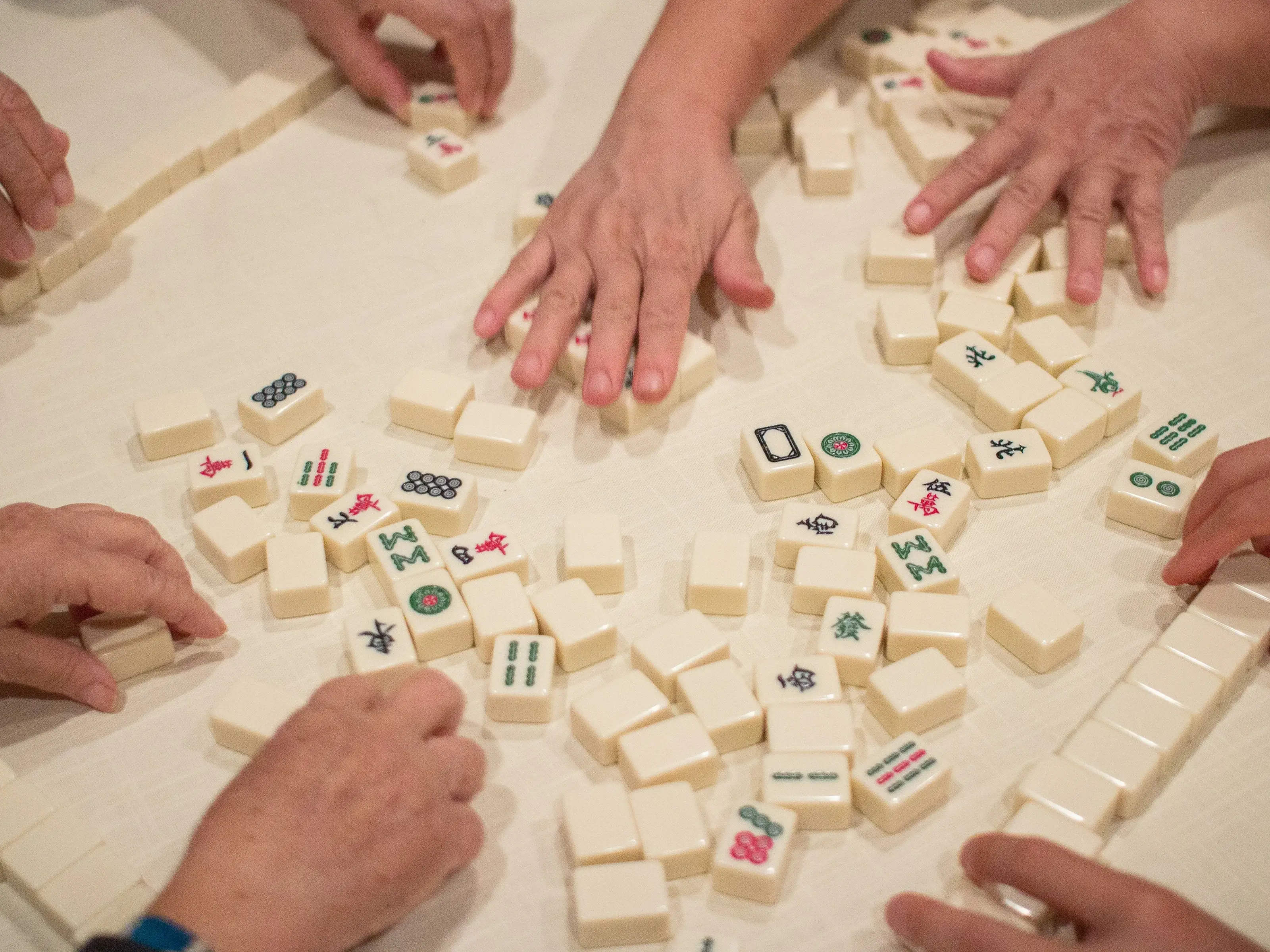
Does Mahjong Improve Memory? Key Findings From Recent Studies
Clinical evidence strongly supports Mahjong's memory-enhancing effects. Cognitive neuroscientist Dr. Denise Park's longitudinal research documented these specific memory improvements:
- Working memory: Participants demonstrated 15-20% improvement in digit span tests after 12 weeks of regular Mahjong play, showing enhanced ability to manipulate information mentally.
- Short-term recall: Regular players showed superior performance on immediate recall tasks, with the ability to remember and retrieve information more accurately than control groups.
- Pattern recognition: Brain scan studies reveal increased activation in visual processing centers during pattern recognition tasks among regular Mahjong players.
The neurological mechanisms are well-documented. PET scans and fMRI studies show that Mahjong activates the hippocampus and prefrontal cortex—the brain's memory centers. Dr. Michael Valenzuela's research team at the University of Sydney found that this activation strengthens neural pathways associated with memory formation and retrieval.
Short-Term Vs. Long-Term Effects Of Mahjong On The Brain
1. Short-Term Memory Benefits
Clinical psychologists have documented immediate cognitive effects from Mahjong sessions. Dr. Robert Wong's research at Hong Kong University observed enhanced attention and information processing speed immediately following 45-minute Mahjong sessions. EEG measurements showed increased alpha wave activity—an indicator of focused attention and cognitive alertness.
These acute benefits typically last 2-3 hours post-play, according to research from Tohoku University's cognitive science department. This makes Mahjong an excellent mental warm-up before tasks requiring concentration.
2. Sustained Cognitive Benefits Over Time
The most significant benefits emerge with consistent play. The Beijing Normal University 3-year longitudinal study tracked 318 older adults, finding that those who played Mahjong 3+ times weekly showed 37% less cognitive decline than non-players.
Dr. Agnes Chan's clinical trials demonstrated that Mahjong players maintained better memory function over time, with benefits persisting for months after regular play. MRI scans revealed structural brain changes, including increased gray matter density in memory-related brain regions among consistent players.
Is Mahjong Good For The Brain More Than Other Games?
1. Specific Features That Improve Brain Function
Neuropsychologists have identified key cognitive demands that make Mahjong particularly beneficial:
- Visual-spatial awareness: Players must mentally map tile positions and spatial relationships, activating the parietal lobe, which neuroscientist Dr. Jordan Grafman identifies as crucial for spatial reasoning.
- Strategic thinking: The game requires planning several moves ahead, which neurologist Dr. Judy Willis explains strengthens prefrontal cortex function and executive decision-making.
- Memory encoding: Tracking discarded tiles exercises what cognitive scientists call "episodic memory"—the ability to recall specific events and information.
2. How Mahjong Compares To Other Brain Games
Comparative cognitive research reveals Mahjong's unique advantages. Neuroscientist Dr. Elkhonon Goldberg's comparative analysis found that Mahjong engages more diverse brain regions than many other cognitive games. The combination of visual processing, memory recall, strategic planning, and social interaction creates what Dr. Goldberg calls a "whole-brain workout" that few other activities provide.
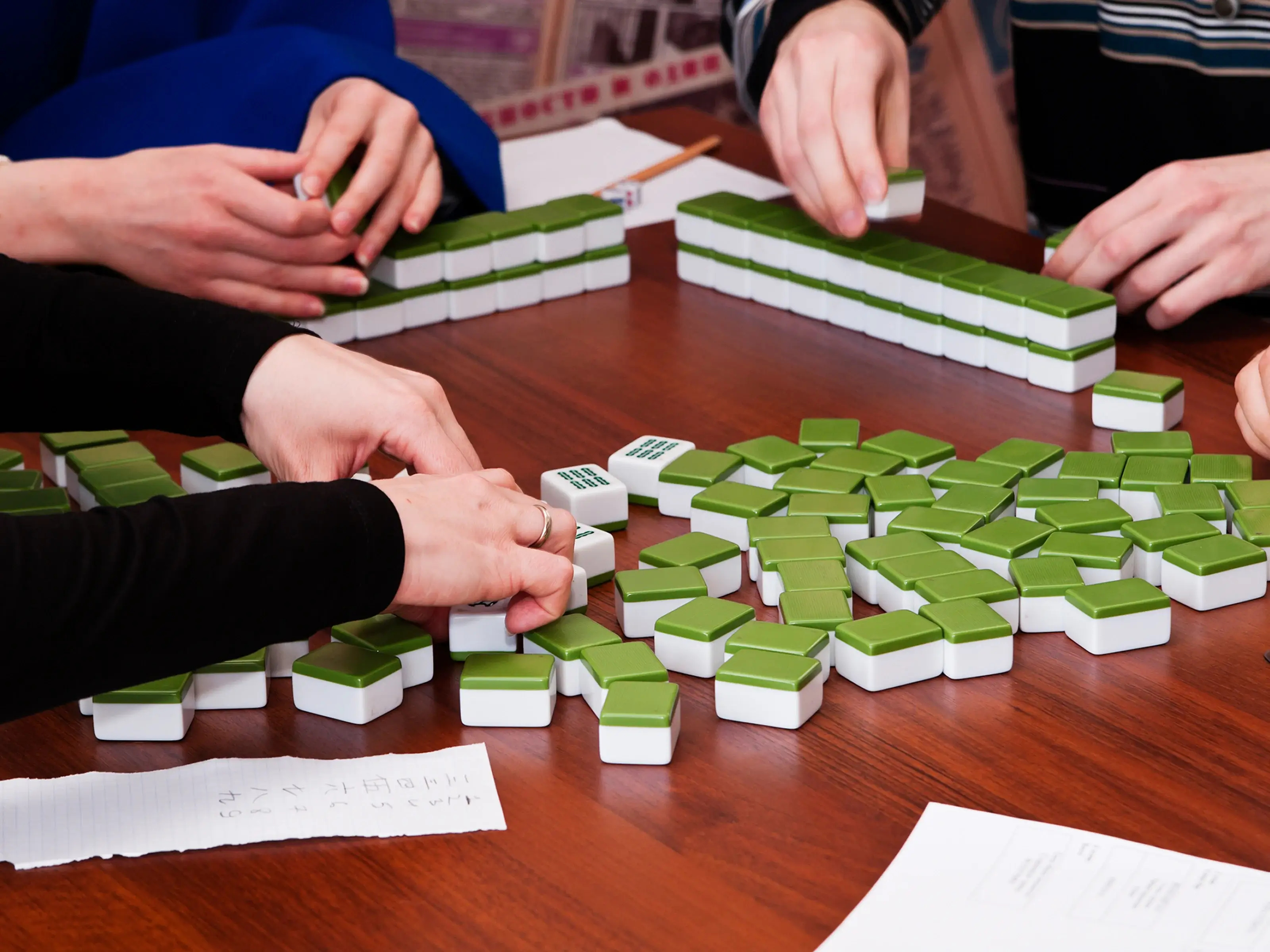
How Often Should You Play Mahjong For Memory Benefits?
1. Recommended Frequency Levels
Neuropsychologist Dr. Yaakov Stern's research at Columbia University established optimal playing frequencies based on measured cognitive outcomes:
- For maintenance: 1-2 sessions weekly for 30 minutes maintains existing cognitive pathways
- For improvement: 3-4 sessions weekly for 30-45 minutes produces measurable cognitive gains
- For maximum benefit: 5+ sessions weekly, though clinical data shows diminishing returns beyond 6 sessions
Dr. Stern's laboratory found cognitive fatigue begins after 90 minutes of continuous play, suggesting shorter, frequent sessions are most beneficial.
2. Balancing Mahjong With Other Activities
Clinical neuropsychologists recommend integrating Mahjong into a comprehensive brain health regimen. Dr. Marilyn Albert of Johns Hopkins Medicine advises complementing Mahjong with aerobic exercise, which increases brain-derived neurotrophic factor (BDNF), enhancing the memory benefits of cognitive activities.
Cognitive reserve theory, pioneered by Dr. Yaakov Stern, suggests that diverse mental activities build multiple neural pathways, creating resilience against cognitive decline. This makes a varied cognitive diet more effective than any single activity alone.
Integrating Mahjong Into Your Brain Games Routine
1. Tips For Consistent Play
Clinical psychologists recommend these evidence-based approaches:
- Start with simplified versions: Begin with Mahjong Solitaire to build visual recognition skills before progressing to traditional Mahjong.
- Set achievable time goals: Cognitive science shows 20-30 minute sessions provide optimal benefits without mental fatigue.
- Track your progress: Neuropsychologists recommend keeping a log of game performance and perceived mental clarity to reinforce the habit through visible progress.
Playing online at TheMahjong.com provides convenient access to regular practice, which neurologists identify as crucial for building and maintaining neural pathways.
2. Making Mahjong A Social Experience
Social neuroscience research by Dr. Louis Cozolino demonstrates that social engagement during cognitive activities amplifies brain benefits. The social interaction during Mahjong play stimulates the brain's social cognition networks while simultaneously engaging memory systems.
Dr. Lisa Berkman's Harvard research found that social cognitive activities like multiplayer Mahjong produced 23% greater memory improvements compared to solitary versions. Online platforms allow for this social dimension even when physical gatherings aren't possible.
Our Final Take On Mahjong For The Brain
The scientific evidence strongly supports Mahjong as an effective tool for memory enhancement and cognitive maintenance. While researchers continue investigating specific mechanisms and optimizing protocols, the existing clinical evidence demonstrates clear cognitive benefits, particularly for memory function.
Neurologists and cognitive scientists agree that Mahjong's unique combination of visual processing, strategic thinking, memory engagement, and social interaction creates an ideal environment for brain health. By incorporating regular Mahjong play through platforms like TheMahjong.com, you gain access to these cognitive benefits in an engaging, enjoyable format that encourages consistent practice—the key factor in long-term brain health.
Frequently Asked Questions About Mahjong And Memory
How long does it take to see memory improvements from playing Mahjong?
Research shows immediate cognitive benefits appear within 2-3 hours after a single session, including enhanced attention and processing speed. However, measurable memory improvements typically emerge after 8-12 weeks of consistent play (3-4 sessions weekly). Dr. Denise Park's longitudinal studies documented 15-20% working memory improvements after 12 weeks of regular practice, with sustained benefits requiring ongoing engagement.
Can Mahjong help prevent cognitive decline in older adults?
Clinical evidence strongly supports Mahjong's protective effects against cognitive decline. Beijing Normal University's 3-year study found that older adults playing Mahjong 3+ times weekly experienced 37% less cognitive decline than non-players. Dr. Helen Lavretsky's UCLA research demonstrated that regular Mahjong play maintains memory function and executive abilities, though it works best as part of a comprehensive brain health strategy including physical exercise and social engagement.
How does Mahjong Solitaire compare to traditional Mahjong for brain benefits?
Both versions offer cognitive benefits, but traditional multiplayer Mahjong provides superior memory enhancement. Dr. Lisa Berkman's Harvard research found that social versions produced 23% greater memory improvements than solitary play. Traditional Mahjong engages strategic planning and social cognition networks simultaneously, while Mahjong Solitaire primarily exercises visual-spatial skills and pattern recognition. Neuropsychologists recommend starting with Solitaire before progressing to traditional formats.
What version of Mahjong is best for memory training?
Traditional four-player Mahjong offers the most comprehensive cognitive workout, engaging memory, strategic thinking, and social interaction simultaneously. However, the best version depends on your current skill level and goals. Beginners benefit from Mahjong Solitaire to build foundational visual recognition skills. For maximum memory benefits, neuropsychologists recommend progressing to traditional multiplayer formats, which activate more diverse brain regions and provide the social engagement that amplifies cognitive gains.
Can children benefit from playing Mahjong for cognitive development?
Yes, Mahjong supports cognitive development in children by strengthening visual-spatial reasoning, pattern recognition, and strategic thinking skills. Neurologist Dr. Judy Willis notes that the game's planning requirements enhance prefrontal cortex development, crucial for executive function. Age-appropriate versions help children develop concentration, memory encoding, and mathematical thinking. However, sessions should be shorter (15-20 minutes) than adult recommendations to prevent cognitive fatigue and maintain engagement.
Other Mahjong News
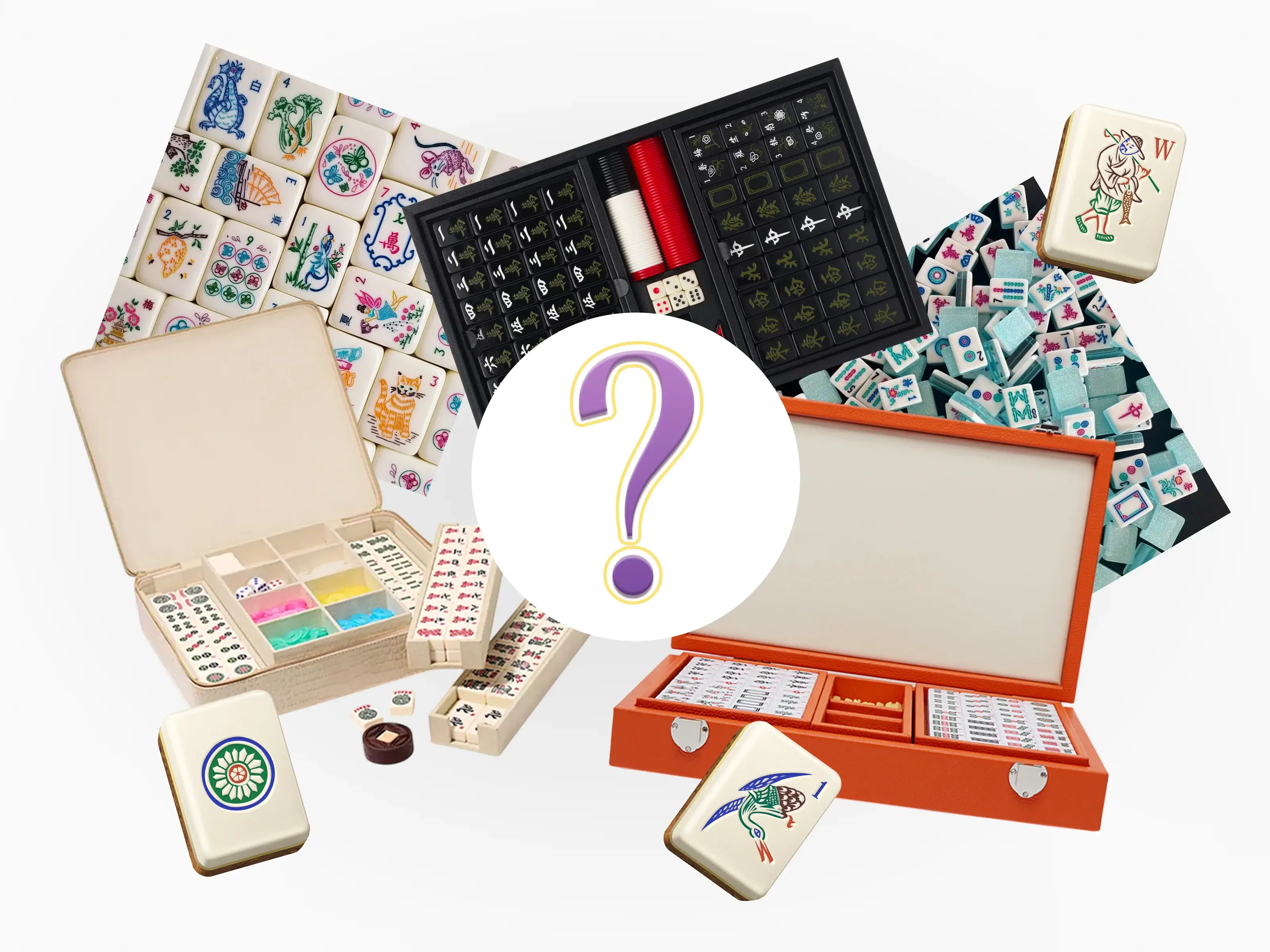



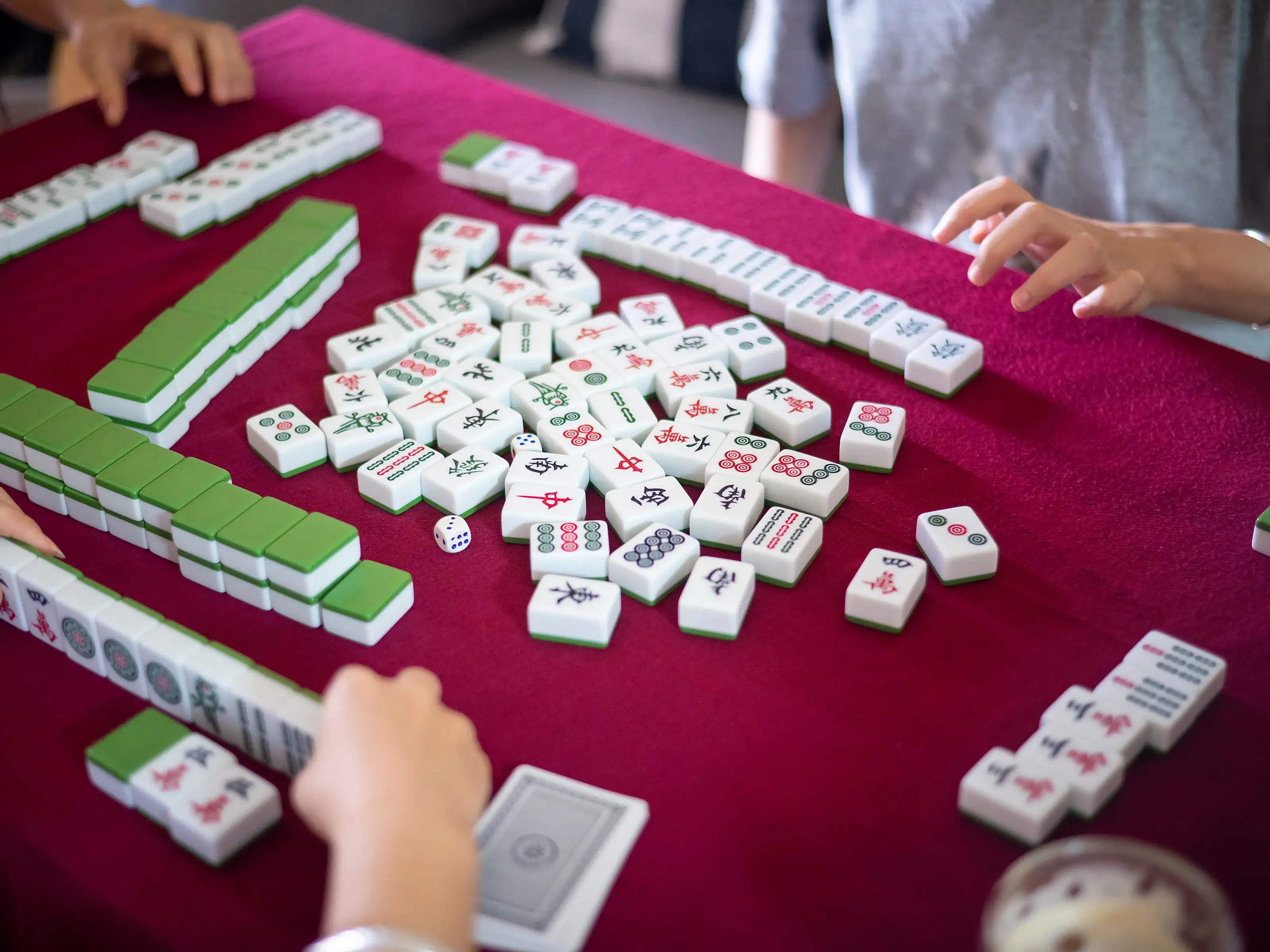
Try out the Mahjong gameplay practices on TheMahjong.com
Playing Mahjong at TheMahjong.com offers not just an interesting and exciting pastime, but also an excellent way to improve cognitive skills. Here, you can refine your logical thinking, planning, and visual perception. We invite you to discover this unique world of Mahjong Solitaire and dive into an exciting adventure at TheMahjong.com!