
Mahjong Table Manners: Etiquette Every Player Should Know
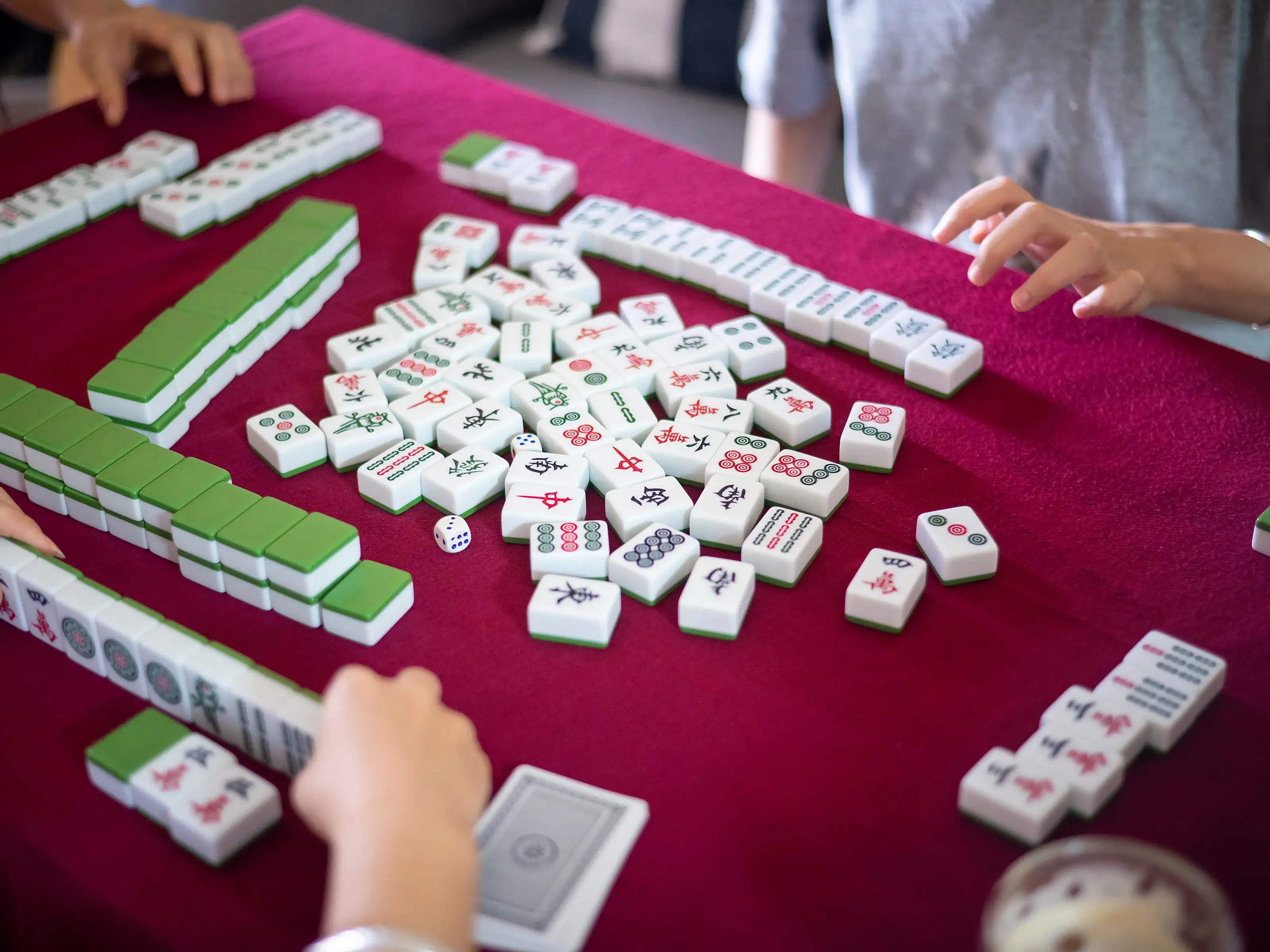
Proper mahjong etiquette transforms an ordinary game session into an enjoyable, respectful experience for all participants. Dating back to 19th century China, mahjong carries rich traditions that extend beyond gameplay into social interactions. At TheMahjong.com, we've observed how understanding these unwritten rules creates a more rewarding experience for players of all skill levels while honoring the game's cultural significance.
Why Etiquette Matters In Mahjong
The social traditions of mahjong have been preserved across generations and continents. According to mahjong historians, proper table conduct was considered as important as strategic skill in traditional settings.
Key reasons etiquette is essential:
- Preserves Tradition: Following proper protocols honors the cultural significance passed down through generations
- Enhances Enjoyment: Clear behavioral expectations prevent misunderstandings that disrupt the game
- Maintains Game Flow: Standardized handling and discarding techniques keep gameplay rhythmic and orderly
- Builds Community: Players who demonstrate good manners receive invitations to regular games and tournaments
Players who master both gameplay and etiquette gain full appreciation for this centuries-old tradition that continues to bring people together worldwide.
Greeting and Seating Protocol
In traditional Chinese mahjong circles, specific seating arrangements correspond to compass directions: East, South, West, and North. The East position (dealer) holds particular significance and rotates clockwise after each round.
When joining a game, experienced players recommend:
- Arriving on time or slightly early to assist with setup
- Waiting to be assigned a position rather than choosing your seat
- Greeting all players with appropriate respect based on age and experience
- Learning names and using them throughout the session
These practices demonstrate respect for both the game and fellow players before the first tile is even drawn.
Do's For Smooth Gameplay
1. Shuffle and Build The Wall Together
Traditional mahjong requires players to participate equally in game preparation. According to championship tournament standards:
- Use both hands when mixing tiles to demonstrate thoroughness
- Build uniform walls of precisely 19 tiles (or according to your variant's requirements)
- Position your wall section to align perfectly with others
- Maintain a respectful silence during the breaking of the wall
This methodical approach establishes fairness from the outset and shows dedication to proper play.
2. Announce Actions Clearly
Veteran players consistently identify clear communication as the cornerstone of good etiquette. When claiming tiles or declaring patterns:
- Use standard terminology specific to your mahjong variant
- Speak at an appropriate volume—audible but not disruptively loud
- Make declarations before touching discarded tiles
- Allow a brief pause after discards before claiming them
These practices prevent misunderstandings while maintaining the game's pace and integrity.
3. Respect Everyone's Pacing
Timing considerations vary among different mahjong communities:
- Tournament play typically allows 10-15 seconds per move
- Social games permit more flexibility but discourage excessive delays
- Beginners deserve additional time for decision-making
- Complex hands may require extra consideration from any player
Balancing efficiency with thoughtfulness demonstrates consideration for everyone's time and enjoyment.
4. Win and Lose With Grace
Tournament directors consistently cite sportsmanship as a mark of respected players:
- Acknowledge winning hands with modest appreciation
- Congratulate others sincerely when they succeed
- Analyze losses for improvement rather than blaming luck
- Maintain consistent pleasantness regardless of outcomes
These behaviors foster long-term relationships that extend beyond individual game sessions.
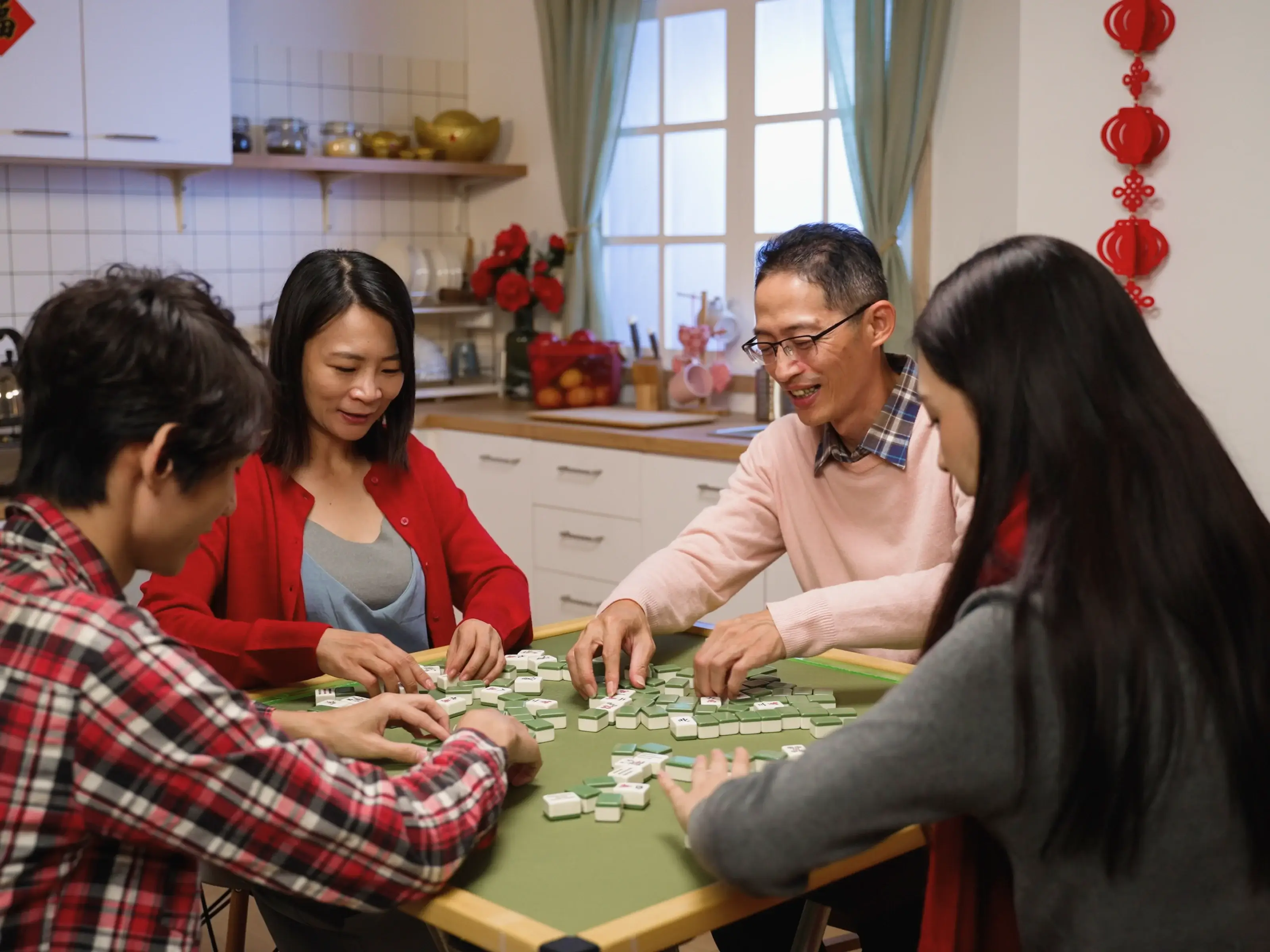
What To Avoid At The Table
1. Peeking at Other Players' Tiles
Privacy violations undermine fair competition. Mahjong ethics require:
- Keeping your gaze on your own tiles or the discard area
- Holding your tiles at an angle that prevents others from seeing them
- Avoiding comments about what tiles might remain in the wall
- Refraining from speculating about others' hands
These boundaries maintain the competitive integrity that makes mahjong challenging and rewarding.
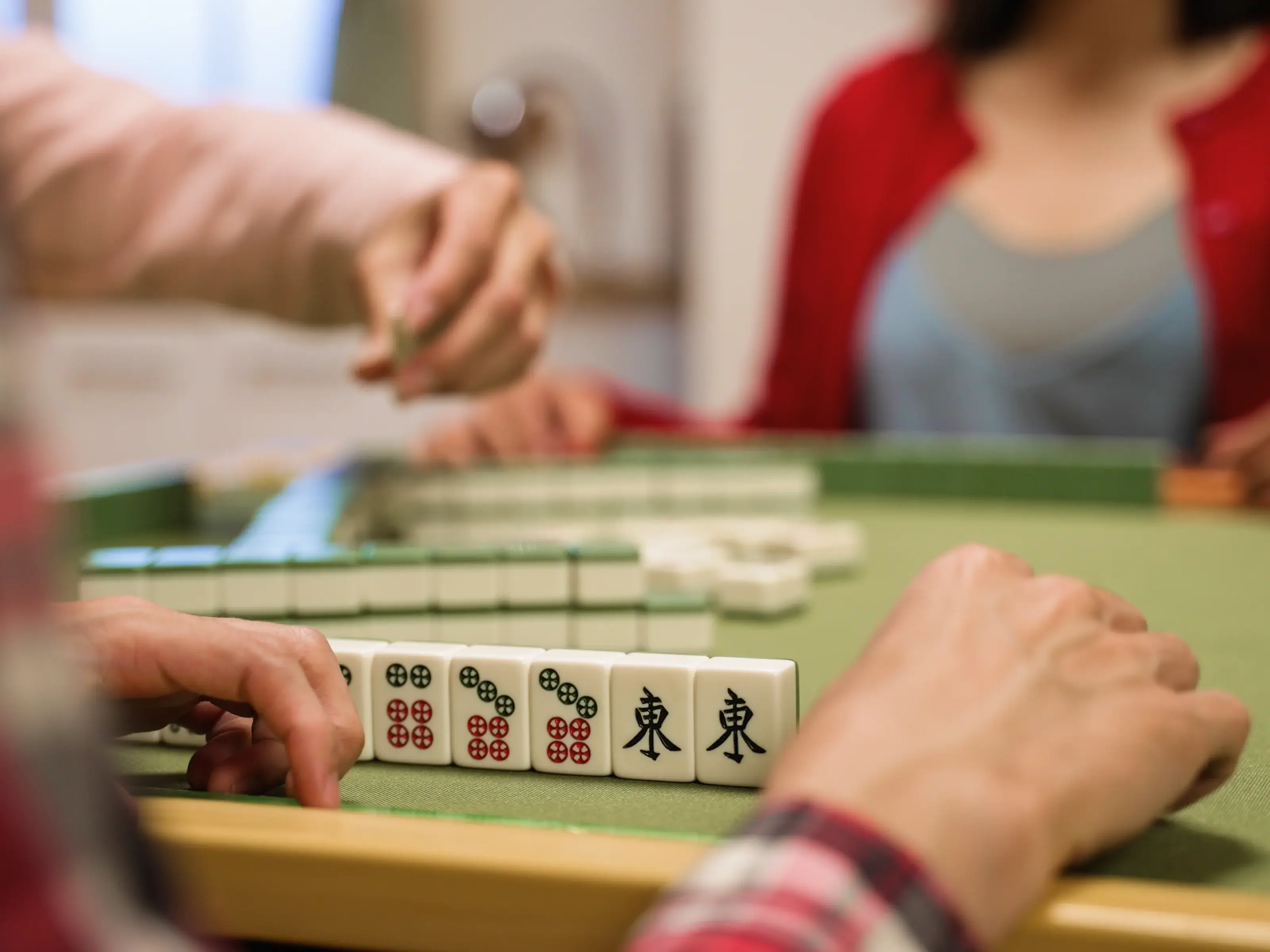
2. Touching Tiles That Aren't Yours
Respect for physical boundaries represents a fundamental aspect of mahjong etiquette:
- Wait for players to complete their turns before reaching for discards
- Ask permission before adjusting the wall or revealing tiles
- Allow players to correct their own mistakes when possible
- Handle all tiles with appropriate care
These practices prevent confusion about game state and maintain clear ownership of decisions.
3. Slamming Or Tossing Tiles
Proper physical handling demonstrates respect for both equipment and atmosphere:
- Place discards gently in the center area
- Maintain the orientation of discarded tiles for clarity
- Draw replacement tiles smoothly without disturbing the wall
- Handle tile racks or counting sticks with similar care
This measured approach creates the focused atmosphere conducive to strategic thinking.
4. Excessive Table Talk
Communication discipline distinguishes serious mahjong play:
- Limit conversation to game-relevant topics during active play
- Save personal discussions for breaks between rounds
- Avoid commentary that might influence decisions
- Keep phone use and other distractions to a minimum
These boundaries maintain concentration and prevent inadvertent information sharing.
Cultural Sensitivities Across Mahjong Variants
Regional variations in mahjong carry distinct etiquette expectations. Our research with international players reveals:
Chinese traditions emphasize swift play with minimal conversation. Japanese mahjong features highly structured tile arrangement and formal declaration protocols. American mahjong clubs often combine gameplay with social interaction while maintaining respect for equipment and procedures.
Beginners can practice different regional styles with our Elephant Free Mahjong game, which incorporates elements of traditional etiquette in an accessible format.
How To Handle Disputes and Mistakes
Even championship tournaments encounter occasional disagreements. Experienced judges recommend:
- Pausing play immediately when questions arise
- Stating the issue factually without accusation
- Consulting official rules for the specific variant being played
- Accepting group consensus once reached
- Returning to friendly play without dwelling on the disagreement
This measured approach prevents minor issues from escalating into lasting friction between players.
Elevate Your Game and Join The Fun
Mastering mahjong etiquette distinguishes casual players from those who truly appreciate the game's rich heritage. These traditions have sustained mahjong communities for generations and continue to create meaningful connections today.
At TheMahjong.com, we designed our platform based on feedback from dedicated players who value both technical gameplay and proper etiquette.
Whether joining an established club or playing online, your attention to proper mahjong manners will enhance everyone's experience while honoring this beloved game's cultural legacy.
FAQs About Modern Mahjong Etiquette
What should I do if another player keeps breaking etiquette rules?
Address etiquette violations diplomatically during natural breaks between rounds. Frame concerns around maintaining tradition rather than criticizing the individual—for example, "In traditional play, we typically announce our calls before touching tiles." If patterns persist, speak privately with the player to explain how specific behaviors affect everyone's experience. Tournament settings provide designated officials to handle disputes, while casual games benefit from establishing house rules at the session's start.
Is it appropriate to teach etiquette to new mahjong players?
Teaching proper etiquette to beginners represents an essential responsibility for experienced players. Introduce concepts gradually as situations arise—demonstrate correct tile handling during setup, explain announcement protocols before the first round begins, and model gracious winning and losing throughout play. Avoid overwhelming newcomers with excessive rules simultaneously. Many mahjong communities designate mentors for new members, creating structured learning environments that balance instruction with enjoyable play.
How do etiquette expectations differ in casual versus tournament play?
Tournament and casual settings maintain core etiquette principles while adjusting formality levels. Competitive tournaments enforce standardized timing (typically 10-15 seconds per decision), require precise terminology for declarations, and impose penalties for violations. Casual social games permit more flexibility—extended decision time for complex hands, friendly conversation between turns, and informal agreement on minor mistakes. However, fundamental respect for equipment, fair play, and considerate behavior remains constant across all settings.
Other Mahjong News
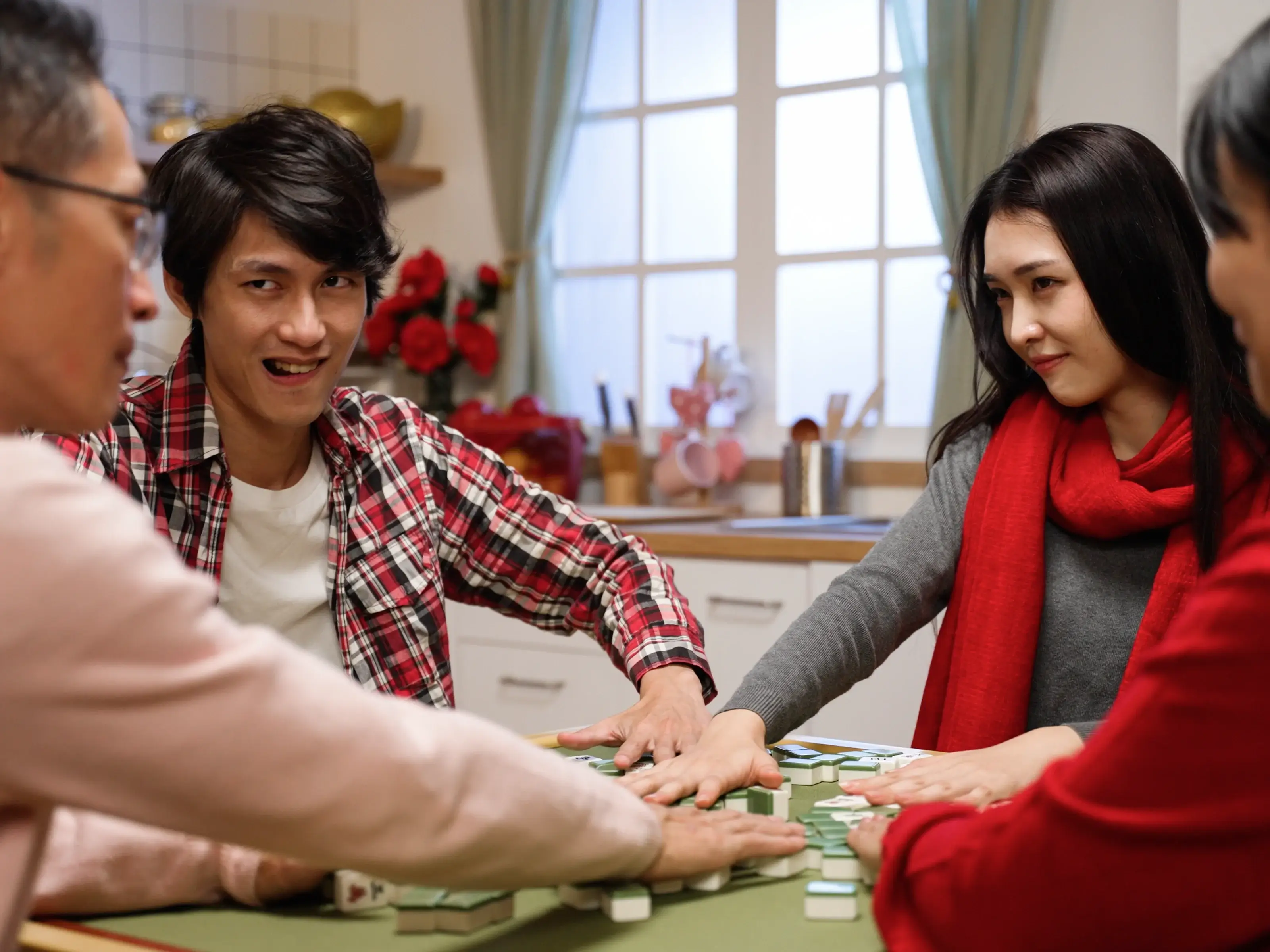
Try out the Mahjong gameplay practices on TheMahjong.com
Playing Mahjong at TheMahjong.com offers not just an interesting and exciting pastime, but also an excellent way to improve cognitive skills. Here, you can refine your logical thinking, planning, and visual perception. We invite you to discover this unique world of Mahjong Solitaire and dive into an exciting adventure at TheMahjong.com!