
Mahjong Tile Art and Customization Trends
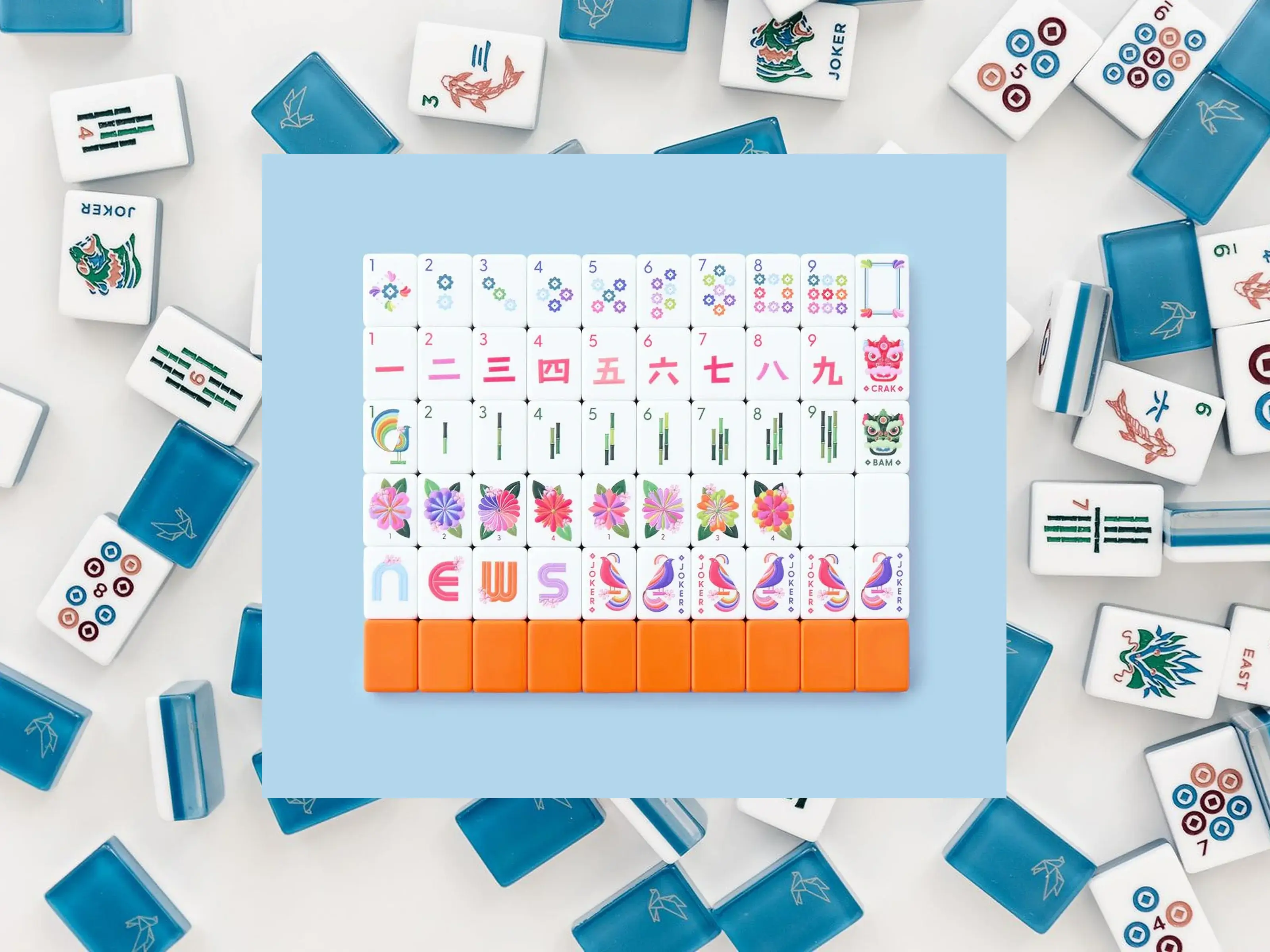
Custom mahjong tiles allow players and collectors to express their unique style and heritage through personalized sets. As operators of a free online Mahjong Solitaire platform, we've noticed growing interest from our community about physical tile customization. While TheMahjong.com specializes in providing digital mahjong experiences, many of our players also enjoy the physical game and have asked us about custom tile options. Over the past few years, inquiries about personalized sets have increased, with players seeking everything from wedding gift sets to family heirloom pieces. This guide shares what we've learned from our community about mahjong tile designs and customization trends.
Exploring Modern Mahjong Tile Art
Mahjong tile art includes the visual design, engraving, and aesthetic elements that make each tile distinct. Traditional tiles featured Chinese characters, bamboo patterns, and symbolic imagery tied to cultural heritage and gameplay. Classic sets from the early 1900s often incorporated intricate hand-carved details—dragons with scaled bodies, phoenixes with flowing tail feathers, and bamboo stalks with individual leaves. Modern custom mahjong tiles blend these classic motifs with contemporary design approaches, creating pieces that function as both game equipment and decorative art.
Hand-painted floral designs add personal touches to flower and season tiles, with artists rendering everything from delicate cherry blossoms to bold sunflowers. Geometric patterns use bold lines and shapes for updated aesthetics—hexagons, chevrons, and abstract compositions that appeal to minimalist sensibilities. Pop culture themes feature references to movies, television shows, or specific fandoms, with some sets incorporating Star Wars imagery, Disney characters, or anime-inspired artwork. Materials have expanded beyond traditional bamboo and bone to include acrylic, resin, and melamine, a hard plastic resin that offers durability and accepts custom printing well. Some premium manufacturers now offer composite materials that mimic the weight and feel of vintage Bakelite tiles from the 1920s and 1930s.
Suit tiles (bamboos, characters, and dots) maintain their functional symbols even in customized sets, since gameplay depends on recognizing these core elements. The bamboo suit typically shows green stalks in quantities from one to nine, the character suit displays Chinese numerals, and the dot suit features circular patterns. The challenge for custom designers lies in balancing artistic vision with playability. Tiles need sufficient contrast and clear markings to remain readable during actual games. One designer in our community shared that her first attempt at a watercolor-style set looked beautiful but proved nearly impossible to play with under standard lighting—the soft color transitions made quick tile identification difficult during fast-paced games.
Why Choose Personalized Mahjong Tiles
Many players in our community have shared why they commissioned custom sets. The most common reasons include:
Family heirlooms and gifts: Custom sets for weddings, anniversaries, and milestone birthdays become treasured keepsakes. One player told us she commissioned a set with her grandmother's favorite flowers—peonies and chrysanthemums—for a 90th birthday celebration. Another member created a wedding gift set featuring the couple's monogram on the wind tiles and their wedding date engraved on the case.
Cultural heritage: Players often incorporate symbols from their family backgrounds—Chinese zodiac animals, ancestral crests, or regional motifs that connect them to their roots. We've seen sets featuring Hmong textile patterns, Korean hanbok designs, and Vietnamese lacquerware-inspired color schemes. These personalized elements transform standard game sets into cultural artifacts that tell family stories.
Game night centerpieces: Personalized mahjong tiles designs spark conversations and make regular gatherings more memorable. Several members of our community host weekly games and wanted sets that reflected their group's personality. One group of college friends commissioned a set with inside jokes and references to their shared experiences, while a book club created tiles featuring literary quotes and author portraits.
Collector value: Limited edition or artist-designed sets can appreciate over time, particularly those from recognized artisans or made with premium materials like carved bone or jade inlays. Vintage Bakelite sets from the 1920s now sell for $500-$2,000 depending on condition. Contemporary artist-designed sets, especially those produced in limited runs of 50-100 sets, have shown similar appreciation potential.
Popular Customization Trends
Three main design directions have emerged in recent years:
Minimalist Designs
Minimalist styles use simplified engravings, monochromatic color schemes, and clean typography. These sets pair well with modern home décor and appeal to players who prefer understated elegance. Popular approaches include single-color tiles with white or metallic engravings, sans-serif numerals replacing traditional Chinese characters, and reduced detail on dragon and wind tiles. The challenge with minimalism is maintaining enough visual distinction between tiles—some overly simplified designs can be difficult to read quickly during play. Successful minimalist sets typically retain enough contrast and symbolic elements to ensure the one bamboo doesn't get confused with the one dot at a glance.
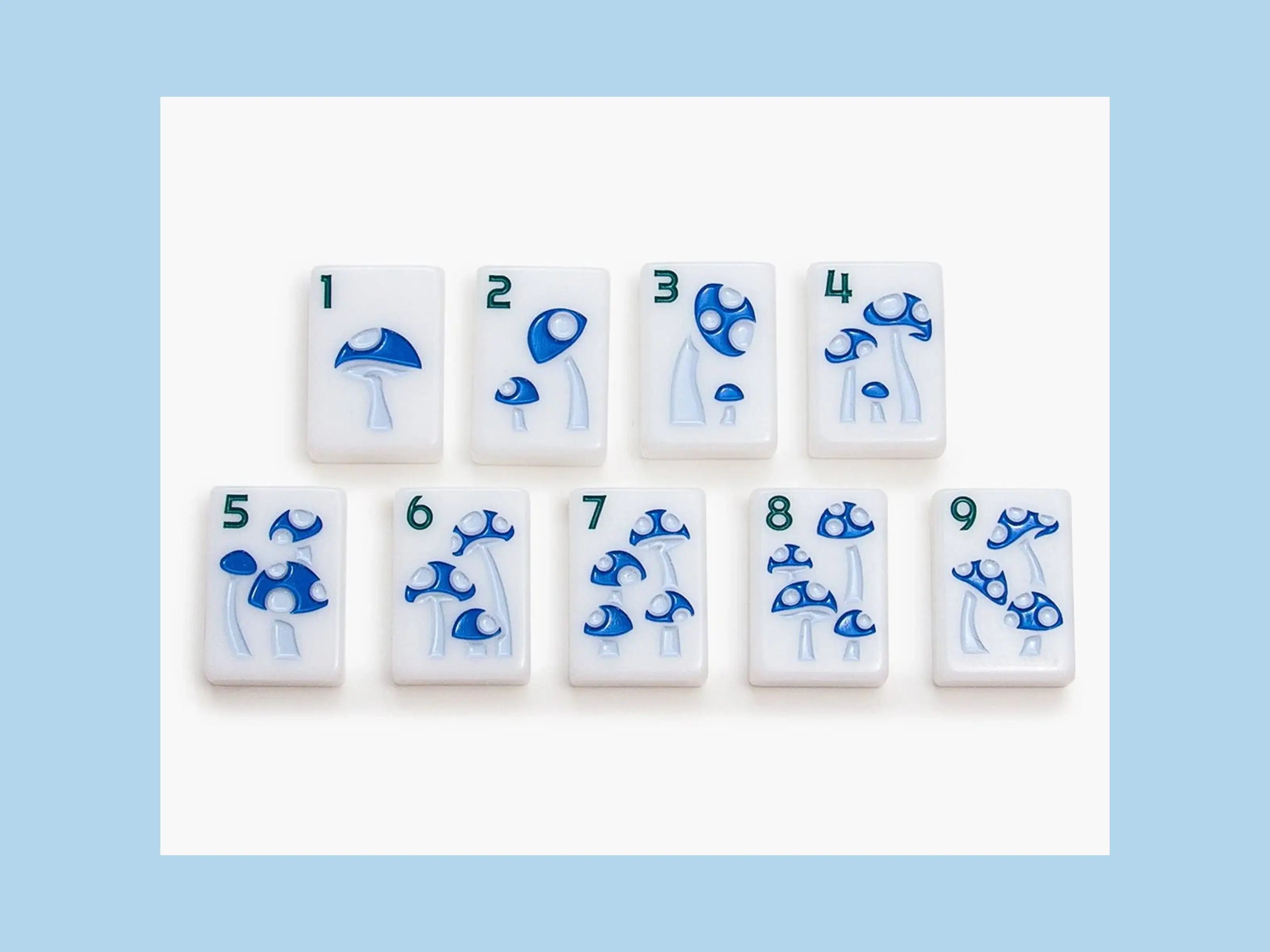
Cultural Fusion Themes
Cultural fusion designs combine imagery from different traditions. Art Deco patterns from 1920s American mahjong sets can merge with traditional Chinese cloud motifs, creating tiles that honor both the game's Asian origins and its Western popularity. Japanese-inspired sets might feature cherry blossoms on flower tiles or wave patterns reminiscent of Hokusai's "Great Wave" on bamboo suits. We've also seen Mediterranean-themed sets with Greek key patterns, Moroccan-inspired sets with intricate geometric tilework, and Scandinavian designs featuring folk art motifs. The key is maintaining respect for the source cultures while creating something new, a thoughtful fusion rather than superficial appropriation.
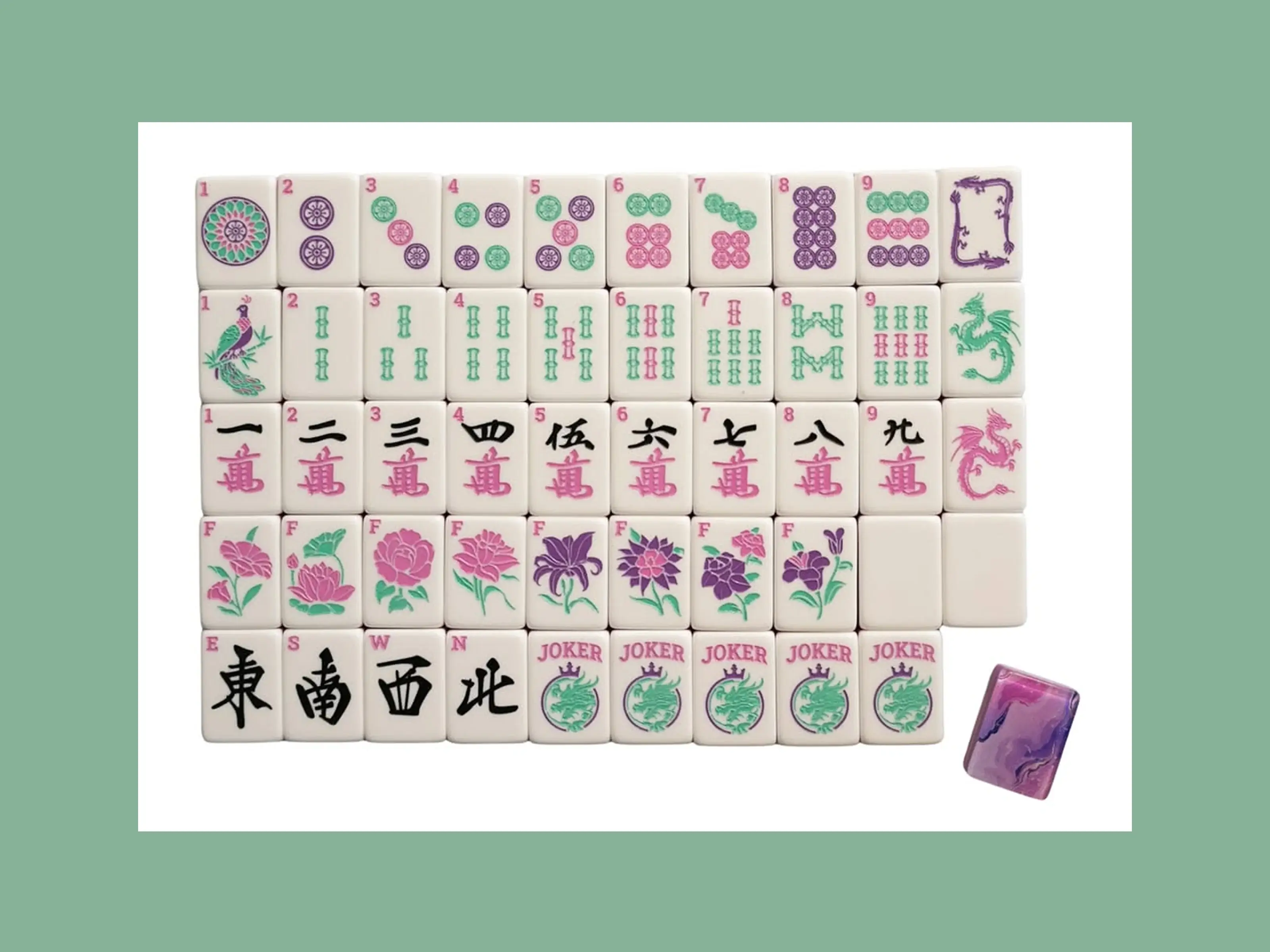
Bold Color Schemes
Vibrant color palettes move beyond standard green, red, and white. Jewel tones—sapphire blues, emerald greens, ruby reds, and amethyst purples—create luxurious appearances that catch light beautifully. Pastels offer softer feels, with millennial pink, mint green, and lavender becoming increasingly popular for sets intended as decorative pieces. Some designers use gradients across entire suits, with bamboo tiles transitioning from light to dark green or dot tiles shifting through a rainbow spectrum. Color choice affects more than aesthetics—it impacts playability, since players need to distinguish tiles quickly. The most successful colorful sets use different hues for different tile categories, making it easier to sort and identify pieces during gameplay.
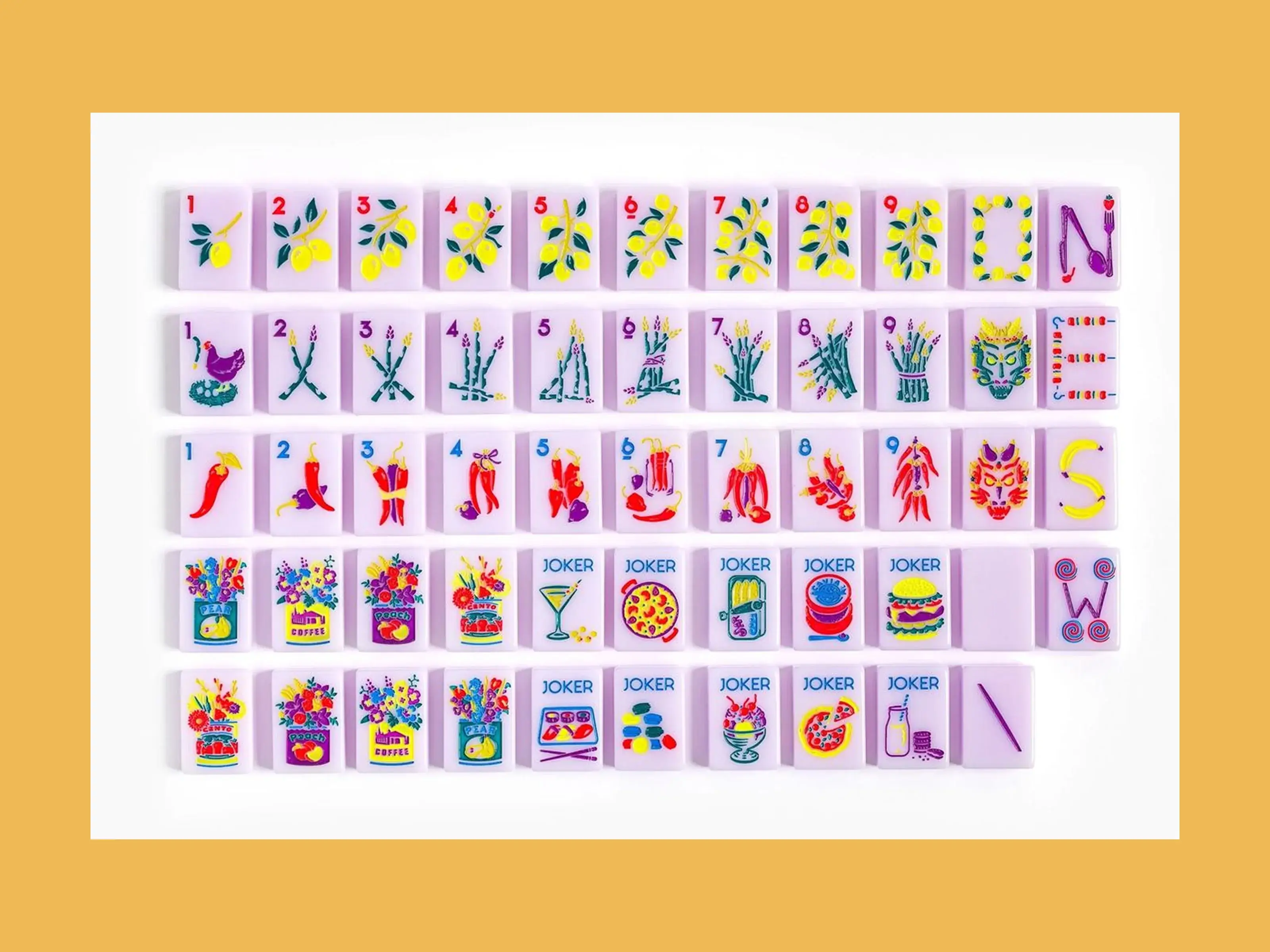
Steps To Create Your Custom Mahjong Set
Based on feedback from our player community, the customization process typically follows these steps:
Brainstorm Designs
Start by collecting visual references—photos, color swatches, or sketches that convey your vision. Create a mood board with images that capture the aesthetic you want, whether that's vintage glamour, modern minimalism, or cultural celebration. Consider the story you want your tiles to tell. Are you honoring family heritage? Celebrating a special occasion? Creating a conversation piece for your home? The more specific you can be about what you want, the better the final product will match your expectations. Some players sketch rough designs for each tile category, while others provide reference images and let artisans interpret the vision.
Choose Materials
Material selection determines the final cost and feel. Acrylic tiles run $150-$300 for full sets and offer the widest color options, including translucent and glitter-infused varieties. They're lightweight and produce a distinctive clicking sound during shuffling. Melamine ranges from $250-$500 and provides better weight and durability, with a more substantial feel that experienced players often prefer. Bamboo sets cost $300-$600 and give traditional aesthetics with natural grain variations that make each tile unique. Premium materials like bone or specialty resins can exceed $800, with hand-carved bone sets sometimes reaching $1,500-$2,000. Consider how you'll use the set—display pieces can prioritize aesthetics, while frequently played sets need durability.
Collaborate With Artisans
Work closely with manufacturers to refine your design. Share your visual references and discuss how your ideas can translate to actual tiles. Many artisans bring valuable expertise about what works well in practice versus what looks good on paper. They can advise on engraving depth for different materials, color combinations that maintain readability, and design elements that might not scale well to tile size. Expect multiple rounds of revisions—most custom projects involve 2-4 design iterations before reaching the final approved version. Ask about their production capabilities, turnaround times, and whether they offer sample tiles before committing to a full set.
Finalize Proofs And Production
Manufacturers provide digital mockups or physical samples before production begins. Digital proofs show the design but can't convey texture, weight, or true colors. Physical samples cost $50-$150 extra, but give you an accurate preview of the final product. Review proofs carefully for tile dimensions (standard: 30mm tall × 22mm wide × 16mm deep), color accuracy, and engraving depth. Make sure suit tiles look distinct from each other, and text reads clearly at arm's length. One community member approved designs without checking measurements and received tiles too small for her racks. Expect 4-6 weeks for domestic production and shipping, or 8-12 weeks for international orders (plus potential 1-2 week customs delays).
Caring For Your Premium Mahjong Tiles
Proper maintenance keeps your custom set looking beautiful for years.
Basic Cleaning Tips
Acrylic and melamine tiles: Wipe with soft, slightly damp microfiber cloths after each use. Avoid paper towels, which can create micro-scratches over time that accumulate and dull the surface. Never use alcohol-based cleaners, as they can cloud or crack acrylic. Dry immediately to prevent water spots. For stubborn residue, use a solution of mild dish soap and water, then rinse and dry thoroughly.
Bamboo tiles: Use dry cloths for regular cleaning. Apply food-safe mineral oil every 6-12 months to prevent drying and cracking—pour a small amount onto a soft cloth and rub it into the bamboo in the direction of the grain. Never submerge in water or expose to high humidity, which causes warping. If tiles develop a sticky residue from hand oils, wipe gently with a barely damp cloth and dry immediately.
Bone and premium materials: Dust with soft brushes designed for delicate items. Some bone tiles benefit from occasional applications of specialized conservation wax available from museum supply retailers. Handle with clean, dry hands to prevent oil transfer that can discolor tiles over time. Bone is particularly susceptible to yellowing from UV exposure and skin oils, so extra care pays off in maintaining the original appearance.
Storage And Preservation
Storage matters as much as cleaning. Keep tiles in climate-controlled spaces—temperature fluctuations and humidity cause warping and material degradation. Ideal conditions are 65-75°F with 40-50% relative humidity. Padded cases with individual tile compartments prevent scratching during storage and transport. Avoid stacking tiles directly on top of each other for extended periods, as this can cause pressure marks on softer materials.
Direct sunlight fades colors and can warp certain materials. If displaying your set, rotate pieces periodically and keep them away from windows. UV-filtering glass in display cases provides additional protection. Some collectors use museum-quality display cases with built-in LED lighting that produces minimal heat and no UV radiation.
Joining The Mahjong Community
Our platform serves over two million players annually who practice Mahjong Solitaire online. Many tell us they play on TheMahjong.com to maintain their tile recognition skills between physical games. The pattern matching you practice in Mahjong Solitaire—identifying matching pairs, recognizing suits quickly, and understanding tile relationships—translates directly to faster physical gameplay. Players report that regular online practice reduces their tile-sorting time by 30-40% during in-person games.
We offer over 200 unique layouts, from simple designs for beginners to complex arrangements that challenge experienced players. Our most popular layouts include the classic Turtle, the intricate Dragon, and seasonal designs that change throughout the year. While Mahjong Solitaire differs from the traditional four-player game, both require the same fundamental skill: rapid, accurate tile identification. This shared foundation means practicing one format strengthens your abilities in the other.
Players waiting for custom sets to arrive often use our free platform to familiarize themselves with tile designs, especially if their custom set features non-traditional artwork. Getting comfortable with your new tile aesthetics before they arrive can shorten your adjustment period. One player told us she uploaded photos of her commissioned tiles to her phone and studied them while playing our digital version, which helped her recognize the custom designs instantly when her physical set arrived.
TheMahjong.com doesn't manufacture or sell custom mahjong tiles. We're a free online gaming platform. However, our community frequently asks about physical tile options, customization processes, and care recommendations. This guide compiles information we've gathered from thousands of conversations with players who own custom sets, along with insights from artisans, collectors, and long-time mahjong enthusiasts who've shared their experiences with us.
We believe understanding both digital and physical aspects of mahjong helps players appreciate the game more fully. Whether you're practicing tile recognition on our platform or commissioning a custom physical set, you're participating in a tradition that spans generations and continues to evolve with each new player who adds their personal touch to this timeless game.
Visit TheMahjong.com to play free Mahjong Solitaire and connect with our community of players who share your passion for this timeless game.
FAQs About Custom Mahjong Tiles
How Long Does It Take To Receive A Custom Mahjong Set?
The time investment for a custom set runs four to eight weeks on average, based on what our community members have reported from various manufacturers. This timeline includes design finalization (1-2 weeks), production (2-4 weeks), and shipping (1-2 weeks). Rush orders may be available for 20-30% additional cost, reducing timelines to 3-4 weeks. International orders may take longer due to customs processing, which can add another 1-3 weeks depending on the country of origin and destination.
Will Custom Mahjong Tiles Fit In Traditional Tile Racks?
Most custom tiles follow standard dimensions of approximately 30mm tall by 22mm wide by 16mm deep, which fit traditional racks designed for American or Chinese mahjong. However, always confirm measurements with your manufacturer before finalizing your order. Some artisan sets use slightly different proportions—Japanese riichi tiles are typically smaller at 26mm tall, while some oversized decorative sets reach 35mm tall. These variations may require specialized storage solutions or custom racks.
Can I Customize Only Certain Tiles In A Mahjong Set?
Yes, many players choose to customize only specific tiles—commonly the flower tiles, season tiles, or jokers—while keeping standard designs for the suit tiles. This approach reduces costs while adding personal touches. Partial customization also maintains easier gameplay since players remain familiar with the core tiles. Some manufacturers offer "accent tile" packages where you customize 8-16 tiles (flowers, seasons, and winds) for $75-$150, significantly less than full set customization. This option works particularly well for players who want personalization without sacrificing the quick recognition that comes with traditional suit tile designs.
What Is The Average Cost Of A Custom Mahjong Tile Set?
Costs vary widely based on materials and complexity. Acrylic sets typically run $150-$300, melamine ranges from $250-$500, bamboo costs $300-$600, and premium materials like bone or specialty resins can exceed $800. Highly detailed artwork, hand-painting, or limited edition designs command higher prices. Additional costs include custom cases ($50-$200), matching accessories like pushers and dice ($30-$75), and rush production fees (20-30% surcharge). The most expensive custom sets we've heard about from our community reached $2,500-$3,000, featuring hand-carved bone tiles with jade inlays and custom wooden cases with brass hardware.
Other Mahjong News
Try out the Mahjong gameplay practices on TheMahjong.com
Playing Mahjong at TheMahjong.com offers not just an interesting and exciting pastime, but also an excellent way to improve cognitive skills. Here, you can refine your logical thinking, planning, and visual perception. We invite you to discover this unique world of Mahjong Solitaire and dive into an exciting adventure at TheMahjong.com!