
Mahjong as a Mindfulness Practice

Playing mahjong is not just fun; it can also be good for your mind. Regular play has been linked to sharper thinking, better mood, and stronger social connections, especially for older adults. Early research suggests that Mahjong-based activity programs may help support cognitive health and reduce depressive symptoms over time, although more studies are still needed.
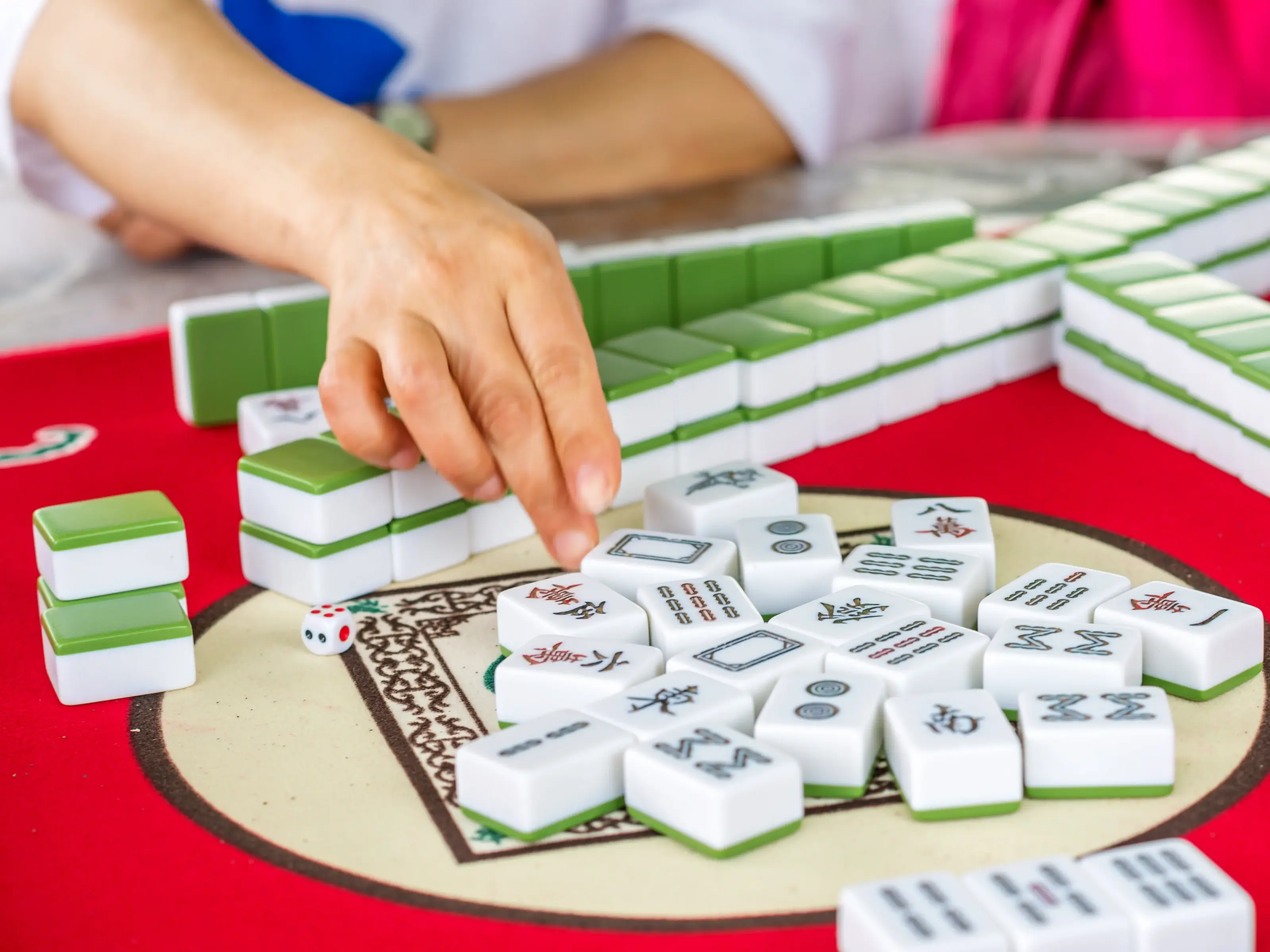
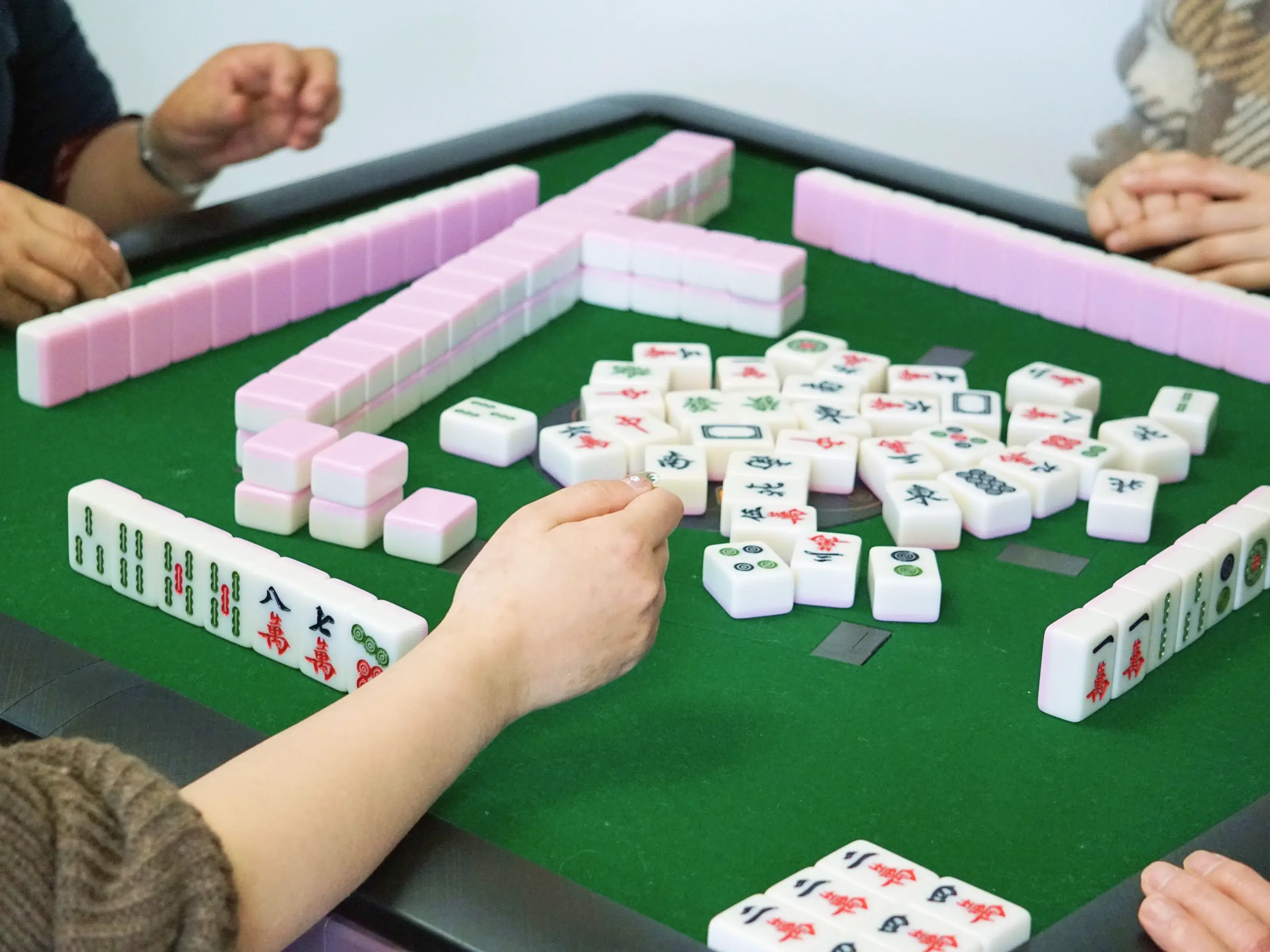
For those new to the game, mahjong is a tile-matching game originating in China that requires pattern recognition, memory, and strategic thinking. Traditionally, it's played by four people, but Mahjong Solitaire, a single-player version, has become popular worldwide for its accessibility and brain-training potential. Whether you're playing with friends or enjoying a solo session online, mahjong offers a blend of challenge and relaxation that makes it a useful mindfulness practice.
How Mahjong Supports Mindful Focus
Mahjong creates opportunities for mindful engagement through its gameplay mechanics. The game's structure encourages you to focus on the present moment, immerse yourself in a single task, and engage multiple senses—all elements recognized in mindfulness research.
When you play mahjong, you're constantly tracking tiles and planning your next move. This helps keep your mind anchored in the present, reducing time spent ruminating on past events or worrying about future concerns. The game's complexity requires sustained attention. You typically can't multitask effectively while playing; instead, many players report entering a flow state similar to meditation, where time seems to slow down, and distractions fade away.
Ways mahjong can support mindful focus:
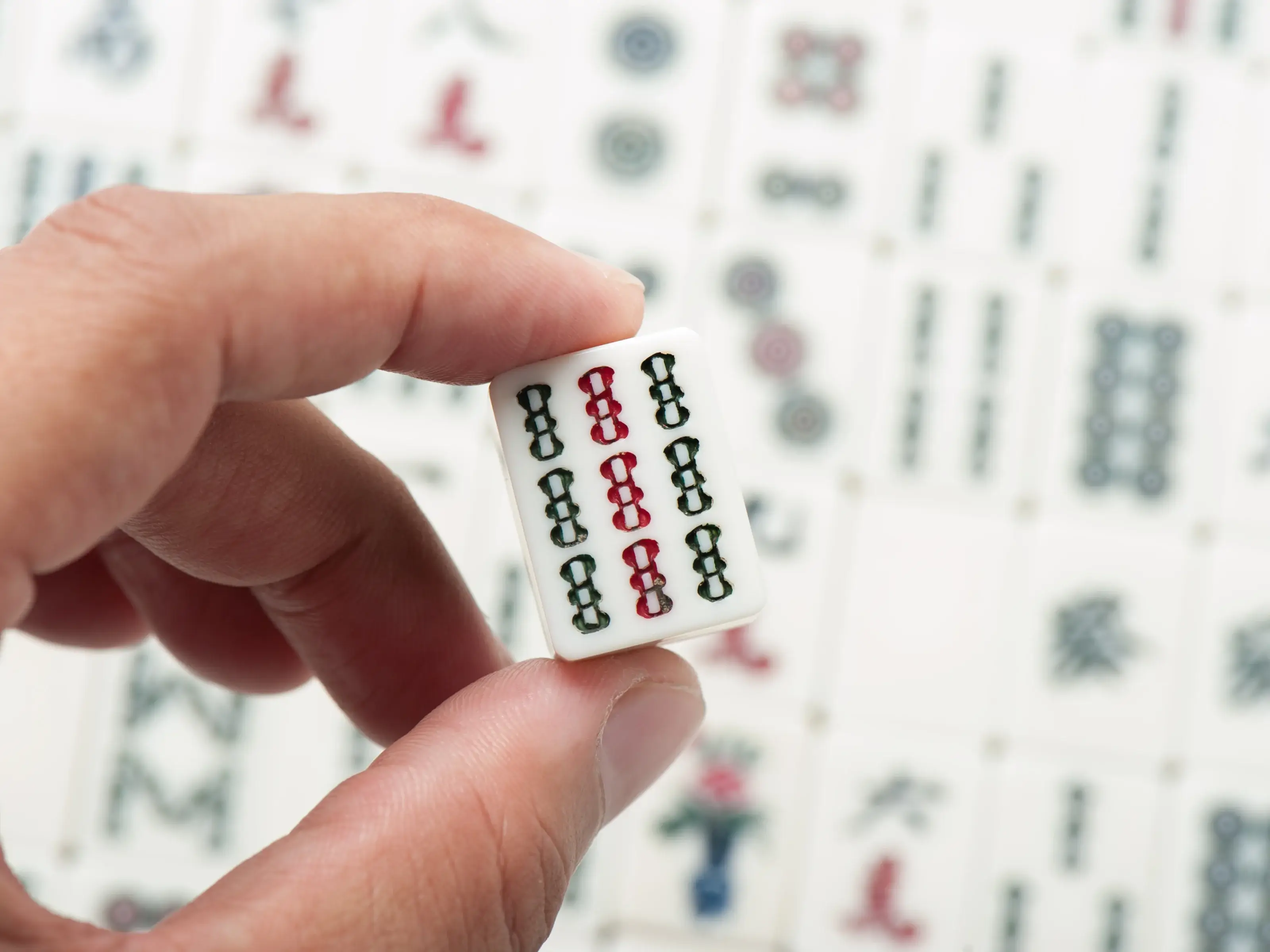
- Visual concentration: Scanning 144 tiles requires sustained attention and helps develop your ability to notice subtle details
- Mental tracking: Remembering which tiles have been discarded or matched exercises your working memory
- Strategic planning: Thinking several moves ahead trains your brain to evaluate options and consider outcomes
Players at TheMahjong.com often describe the game as a mental break from daily stressors. The act of matching tiles and planning moves can serve as active meditation, helping you develop calm, clarity, and mental resilience through regular practice.
Research-Backed Benefits Of Mahjong
Mahjong has been the subject of numerous peer-reviewed studies examining its cognitive and mental health effects. Research from institutions including Hong Kong Polytechnic University, Japan's National Center for Geriatrics and Gerontology, and Chinese medical universities has documented both immediate and long-term benefits.
A 2015 study published in the International Journal of Geriatric Psychiatry examined older adults who regularly played mahjong. Researchers found improvements in working memory after 12 weeks of consistent play. Some neuroimaging studies suggest that Mahjong activates brain regions involved in attention, decision‑making, and memory, though researchers are still clarifying exactly how these changes relate to long‑term brain health.
In a 3‑year longitudinal study of Chinese older adults, people who played cards or Mahjong almost every day showed significantly less cognitive decline than those who rarely or never played (Wang, Jin et al., 2022). However, researchers note that this association doesn't definitively prove causation, as people who maintain active social and cognitive engagement may differ from non-players in other health-related ways.
In some studies, older adults who took part in Mahjong‑based activity programs showed reductions in depressive symptoms compared with control groups. The focused engagement required by the game appears to interrupt negative thought patterns and provides a sense of accomplishment, both factors linked to improved psychological well-being.
Early neuroscience studies using brain‑scanning and EEG methods indicate that Mahjong may influence brain structure and electrical activity related to attention and relaxation. While these findings are promising, researchers continue to investigate the mechanisms behind these brain changes.
For readers interested in a deeper exploration of memory-specific research, our article on mahjong and memory provides additional context and study details.
Surprising Ways Mahjong May Improve Brainpower
Based on research findings and player experiences, mahjong appears to support cognitive health through several distinct mechanisms. These benefits extend beyond the game itself, with many players noticing improvements in everyday mental tasks:
Strengthens Memory And Recall
Mahjong exercises both short-term and long-term memory systems simultaneously. Your working memory stays active as you hold tile positions in mind while planning moves—tracking which tiles are available, which are blocked, and which matches you've already identified. Meanwhile, your episodic memory engages as you recall which tiles have been played throughout the session, helping you anticipate what remains on the board.
Research measuring digit span performance—a standard memory assessment where participants recall sequences of numbers—has shown measurable improvements among regular players. One study found that participants who played mahjong three times weekly for 12 weeks showed measurable improvement on digit span memory assessments, suggesting enhanced working memory capacity.
Players often report practical benefits such as better recall of names, appointments, and daily tasks. Some describe remembering where they placed their keys or recalling grocery lists more easily. These real-world improvements typically emerge after several weeks of consistent play, though individual results vary based on factors like play frequency, session duration, and baseline cognitive function.
Enhances Pattern Recognition
Scanning the board for matching tiles trains your visual-spatial processing abilities in specific ways. You learn to quickly identify similar shapes among varied designs, distinguish subtle differences between tile faces, and recognize spatial relationships between stacked tiles. The game requires you to process visual information across multiple dimensions—identifying matches by suit, number, and accessibility.
By training visual‑spatial skills and rapid pattern recognition, Mahjong may also support everyday tasks that rely on similar abilities, such as navigating new places or organizing complex information. Studies of visual‑spatial training more broadly suggest that practicing these skills can sometimes carry over to related real‑world activities.
Over time, regular players often become more efficient at scanning complex visual fields. Experienced players report completing boards faster not just because they know the game better, but because their eyes move more efficiently across the tiles, automatically filtering out blocked pieces and identifying potential matches. The degree of improvement depends on consistent practice—typically at least three sessions per week over several months.
Improves Strategic Thinking
Planning moves ahead in mahjong activates executive function—the cognitive processes responsible for decision-making, problem-solving, and flexible thinking. Each move requires you to evaluate multiple factors: which tiles to match now, which to save for later, how your current choice affects future options, and whether you're creating or eliminating opportunities down the line.
As you evaluate options and anticipate outcomes, you engage your prefrontal cortex—the brain region that handles complex planning and reasoning. This mental exercise strengthens neural pathways associated with strategic thinking. You're essentially practicing the same cognitive skills used in chess, financial planning, and project management, but in a more accessible format.
Many players find that these skills complement real-world planning tasks. Some report feeling more confident when organizing daily schedules, breaking down complex projects into manageable steps, or making financial decisions that require weighing multiple factors. The game teaches you to think several steps ahead, consider consequences, and adapt your strategy when circumstances change—all transferable skills that extend beyond the game board.
Does Mahjong Help With Sleep And Stress Relief?
Because Mahjong demands focused attention and provides social and emotional engagement, several studies have linked regular play with lower levels of depressive symptoms and psychological distress in older adults. While Mahjong hasn’t been tested directly as a sleep aid, reducing stress and improving mood earlier in the day may indirectly support better sleep for some people.
Clinical studies have documented reductions in depressive symptoms among regular players. Each game session provides a mental break from daily concerns, though mahjong should be viewed as a complement to—not a replacement for—professional mental health treatment when needed.
While no direct studies have measured mahjong's effect on sleep quality specifically, the game's documented stress-reduction benefits suggest it may support better sleep when played at appropriate times. Reducing anxiety and achieving mental calm earlier in the day can contribute to easier sleep onset at night. However, playing immediately before bed may be counterproductive due to screen-based blue light exposure and mental stimulation.
Recommended practice: Play mahjong at least two hours before bedtime if you're hoping to support sleep quality, allowing time for mental wind-down afterward.
Tips To Experience Mahjong Mindfully
While mahjong naturally encourages focused attention, you can deepen its mindfulness benefits by approaching each session with intention. These practices help transform casual gameplay into a more deliberate mental exercise.
Slow Down And Breathe
Rather than rushing through matches, pause between moves to take a few conscious breaths. Notice the rhythm of your breathing as you scan the board. This simple practice anchors you in the present moment and prevents the autopilot mode that can diminish cognitive engagement. When you feel your mind wandering or stress creeping in, return your attention to your breath and the tiles in front of you.
Eliminate Distractions
Create an environment that supports focused play. Close unnecessary browser tabs, silence notifications, and consider playing in a quiet space where interruptions are minimal. The quality of your attention matters more than the quantity of games played. Even a single distraction-free session can provide more cognitive benefit than multiple fragmented ones. TheMahjong.com's clean interface supports this approach by removing visual clutter that might pull your focus away from the game.
Reflect On Each Move
Before clicking a tile pair, take a moment to consider your options. Ask yourself: Are there multiple possible matches? Which choice opens up more opportunities? This deliberate decision-making process strengthens strategic thinking and prevents reactive play. After completing a game—whether you win or not—spend a few seconds reflecting on the experience. Notice how your mind feels compared to when you started. This brief reflection helps consolidate the mental benefits of your practice session.
Play Mahjong Online For Free
If you're ready to experience mahjong's potential benefits, online Mahjong Solitaire provides an accessible starting point. You don't need to learn the complex rules of traditional four-player mahjong—Mahjong Solitaire offers similar cognitive engagement with simpler, more intuitive gameplay.
TheMahjong.com provides immediate access to the game with over 200 unique layouts designed to maintain mental challenge and prevent repetitive play patterns. No registration or personal information is required to start playing. The platform's clean interface minimizes distractions to support focused play, and it functions on both desktop and mobile devices for flexible practice.
Research suggests that regular play sessions of 10 to 15 minutes daily may produce noticeable improvements in focus and stress management within several weeks, though individual results will vary based on factors like baseline cognitive function and consistency of play.
TheMahjong.com has served millions of players since its launch, offering a self-paced environment where you can practice at your own speed without time pressure. Whether you're exploring mahjong for cognitive benefits, stress reduction, or simple enjoyment, the platform provides a straightforward way to experience this centuries-old game adapted for modern play.
Frequently Asked Questions About Mahjong Benefits
Is Mahjong Solitaire Good For The Brain?
Research indicates that Mahjong Solitaire provides cognitive benefits similar to traditional mahjong, including improved pattern recognition, working memory exercise, and visual-spatial processing. The single-player format still engages the same brain regions responsible for strategic thinking and sustained attention. While individual results vary, regular players often report improvements in mental clarity and focus. You can learn more about the specific cognitive mechanisms involved in our guide on mahjong and memory.
Does Playing Mahjong Help You Sleep?
No direct research has examined mahjong's effects on sleep quality specifically. However, the game's documented stress-reduction and mental relaxation benefits may indirectly support better sleep when played earlier in the day. To avoid potential sleep disruption from screen exposure and mental stimulation, consider finishing your mahjong sessions at least two hours before bedtime. If you experience persistent sleep difficulties, consult with a healthcare provider for appropriate guidance. You can explore mahjong's mindfulness benefits risk-free at TheMahjong.com to see if it fits your relaxation routine.
Other Mahjong News

Try out the Mahjong gameplay practices on TheMahjong.com
Playing Mahjong at TheMahjong.com offers not just an interesting and exciting pastime, but also an excellent way to improve cognitive skills. Here, you can refine your logical thinking, planning, and visual perception. We invite you to discover this unique world of Mahjong Solitaire and dive into an exciting adventure at TheMahjong.com!